 Μake us preferred on Google
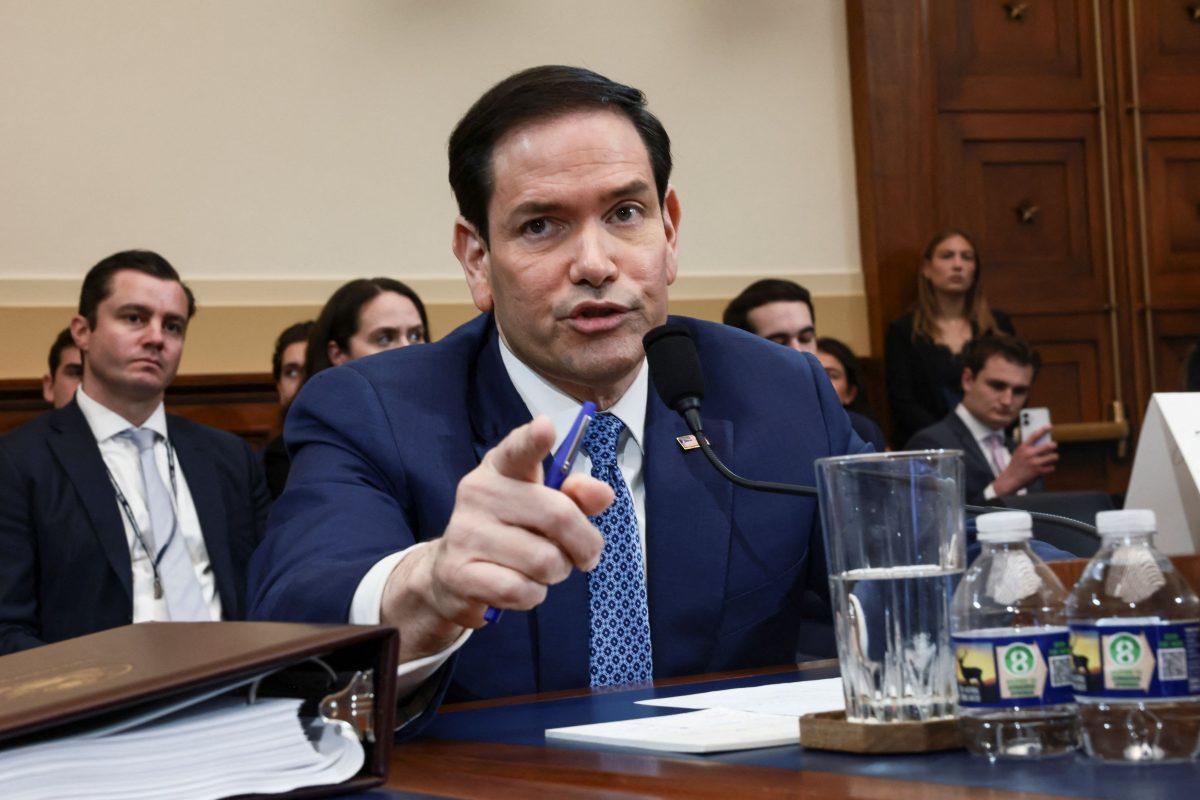
 The comments, made during a House Foreign Affairs Committee hearing, appeared to place a legal limit on recent efforts by the Trump administration to explore a possible resolution with Ankara.
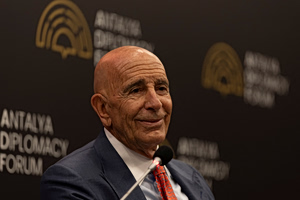
They also pushed back against the more optimistic tone struck by Thomas Barrack, the U.S. ambassador to Turkey, who has suggested that the dispute could soon be resolved.
Representative Dina Titus, Democrat of Nevada, pressed Mr. Rubio on Mr. Barrack’s remarks, saying they were “inconsistent with law and longstanding policy.”
“Tom Barrack said Turkey should join the F-35 program,” Ms. Titus said. “These comments are inconsistent with law and longstanding policy, and I’m just wondering what your position is as Secretary of State. Can Turkey get F-35’s or not? We seem to be helping the bad guys and not the good guys.”
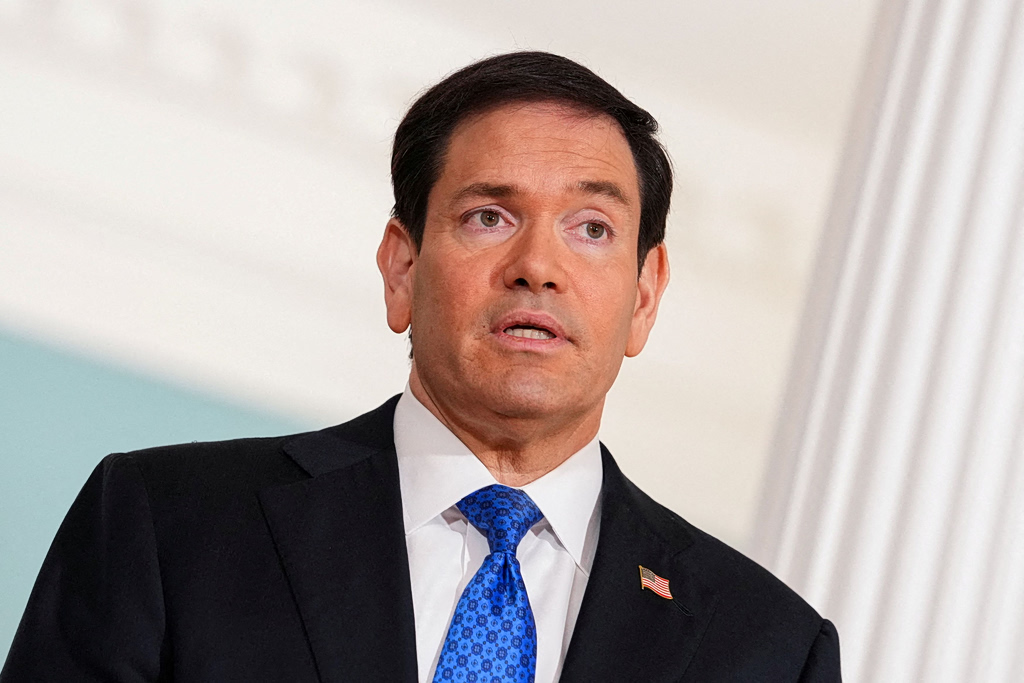
“Well, as I’m sure you are aware, Turkey actually was in the F-35 program,” Mr. Rubio replied. “The reason why they can’t get them is because they purchased the S-400 system from the Russians.”
Ms. Titus noted that Turkey still has the system and remains under mandatory sanctions.
“Correct,” Mr. Rubio said. “So, as you know, that’s governed by statute.”
“Well, right now we don’t have that choice because it’s governed by statute, both provisions of the NDAA and statute,” he added.
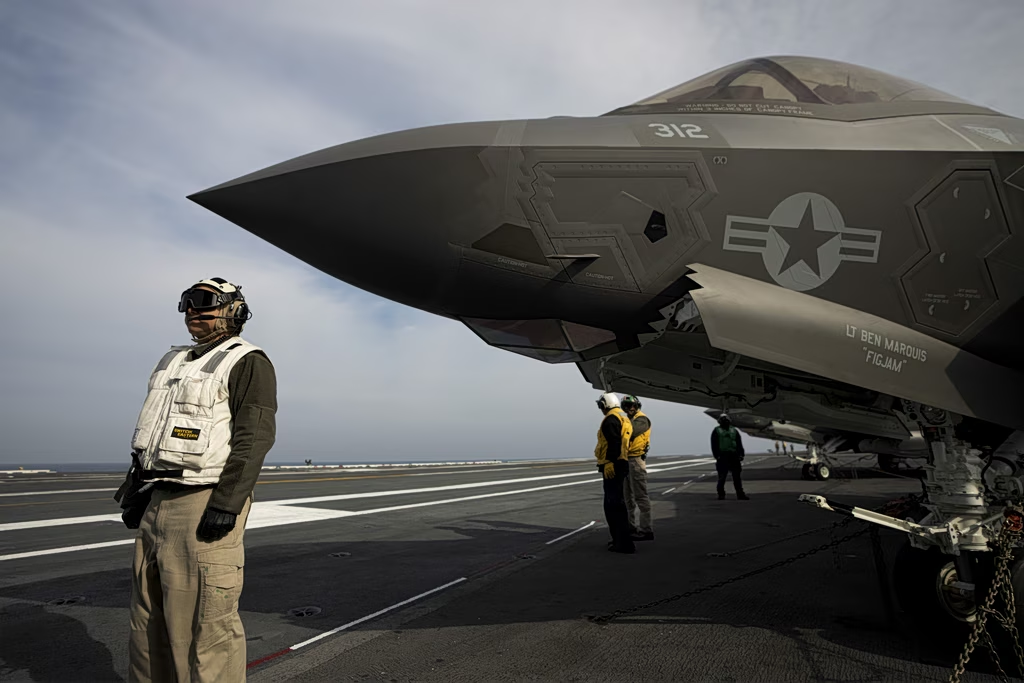
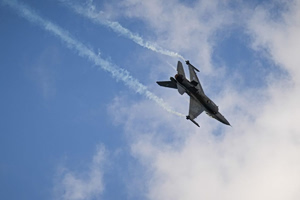
Turkey was removed from the F-35 program in 2019 after it took delivery of the S-400, a Russian air defense system that Washington said could expose sensitive information about the stealth fighter to Russian intelligence.
The United States later imposed sanctions on Turkey’s defense procurement agency under the Countering America’s Adversaries Through Sanctions Act, known as CAATSA, making Turkey the first NATO ally to face such penalties over a major Russian arms purchase.
The issue has remained one of the most serious disputes between Washington and Ankara, even as President Trump has sought to improve ties with President Recep Tayyip Erdogan. Turkey has argued that its exclusion from the program was unfair and has sought either reinstatement or compensation for its earlier investment in the aircraft.
Mr. Barrack, a close ally of Mr. Trump, has recently suggested that the S-400 dispute could be resolved and that Turkey’s return to the F-35 program was possible if the issue were settled. His comments raised expectations in Ankara but concern on Capitol Hill, where opposition to any F-35 transfer to Turkey remains strong.
Mr. Rubio’s answer appeared to draw a sharper line. The administration may continue talks with Turkey, but unless Ankara resolves the S-400 issue in a way that satisfies U.S. law, the F-35 door remains closed.
The exchange also underscored a recurring tension in U.S. policy toward Turkey. Mr. Trump’s preference for direct diplomacy with Mr. Erdogan is running up against congressional restrictions imposed after Ankara’s purchase of the Russian system.
For Turkey, rejoining the F-35 program would be a major strategic and symbolic victory. For Washington, the question remains whether Ankara is willing to give up the Russian system that caused the rupture in the first place.