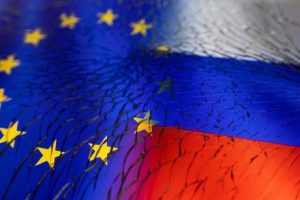

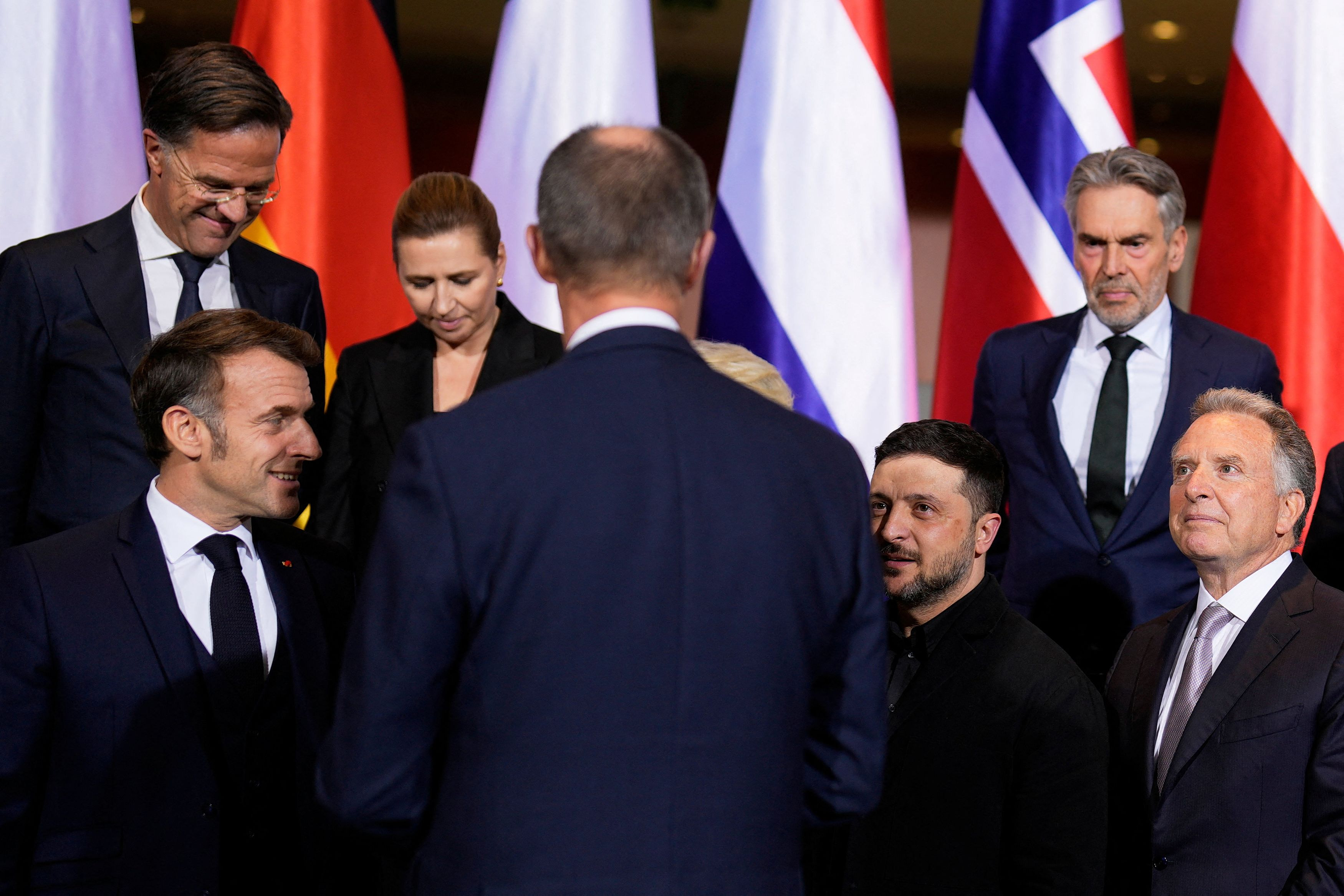
European leaders, joined by Ukrainian President Volodymyr Zelenskiy, will convene in The Hague on Tuesday to launch an International Claims Commission aimed at compensating Ukraine for extensive damage caused by Russia’s invasion and alleged war crimes.
The one-day conference, co-hosted by the Netherlands and the Council of Europe, will gather senior figures including European Union foreign policy chief Kaja Kallas. The initiative comes amid ongoing U.S.-backed diplomacy seeking to end the war that began in February 2022.
The commission will assess claims submitted to Ukraine’s Register of Damage, a two-year-old system that has already received more than 80,000 submissions from individuals, organizations, and public bodies. Claims can cover damage, loss, or injury resulting from Russian actions on or after the February 24, 2022 invasion, including violations of international law.
Drafted by over 50 states and the European Union, the Council of Europe convention establishing the commission will take effect once ratified by 25 signatories and adequately funded, as reported in Reuters. Dozens of countries have indicated support, with up to 35 expected to sign the convention during Tuesday’s conference.
The World Bank estimates Ukraine’s post-war reconstruction will cost $524 billion, nearly three times its 2024 economic output. The ongoing escalation of Russian attacks on utilities, transport, and civilian infrastructure in 2025 is expected to increase this figure. Proposals for funding compensation include using frozen Russian assets held by the European Union.
The commission, likely based in The Hague, represents the second stage of an international mechanism to provide restitution to Ukraine. It will review claims individually and determine awards, aiming to address a wide range of damages, including destruction of homes, businesses, cultural sites, and the consequences of human rights abuses.
While Russian officials have not commented on the initiative, they have consistently rejected allegations of war crimes. The potential inclusion of amnesty for wartime atrocities in peace negotiations could complicate Europe’s efforts to provide compensation for victims, which include cases of sexual violence, child deportation, and religious site destruction.
The Council of Europe, Europe’s oldest intergovernmental organization, has promoted democracy, human rights, and the rule of law across the continent since its founding in 1949. The establishment of this commission marks a major step in the international effort to hold Russia accountable and support Ukraine’s long-term reconstruction.