
The Eurovision Song Contest is heading into what organizers describe as a “landmark moment” this Thursday, when member broadcasters of the European Broadcasting Union (EBU) may be called to vote on whether Israel will be allowed to participate in the 2026 competition. The meeting comes as several countries threaten to pull out unless Israel is excluded over the war in Gaza.
The EBU is set to discuss a new package of rules designed to prevent governments or external groups from disproportionately promoting entries in a way that could influence voting—an issue that arose earlier this year when Israel placed second. If members are not convinced the measures are sufficient, a vote on Israel’s participation will follow, though the EBU has avoided naming the country directly.
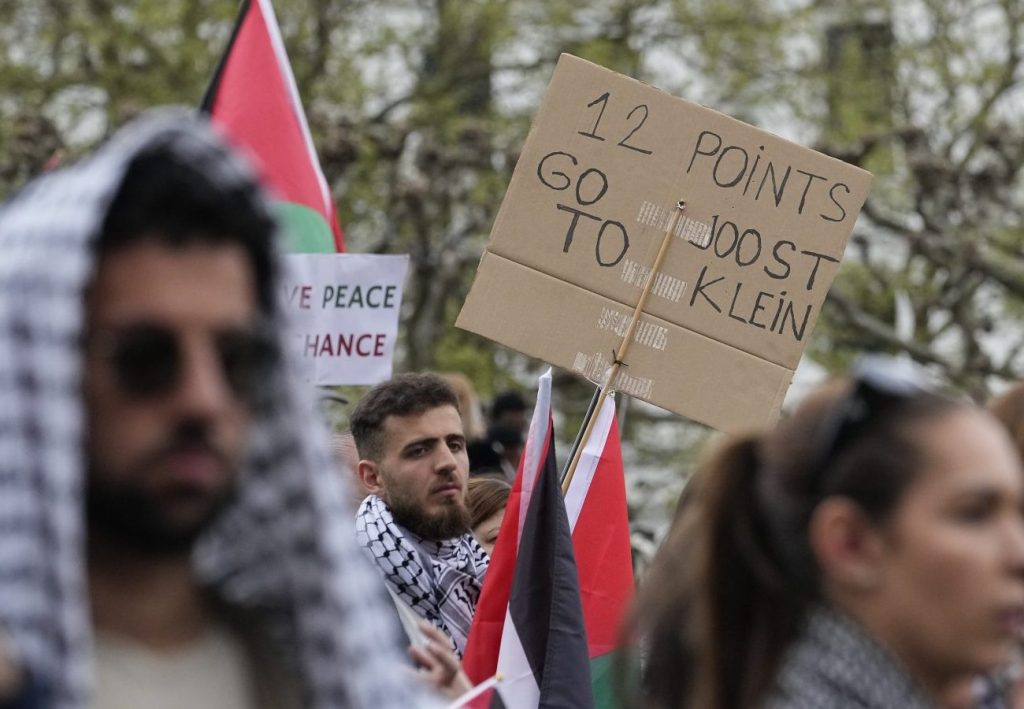
Public broadcasters in Slovenia, Ireland, Spain and the Netherlands have already warned they may boycott next May’s contest in Austria if Israel is permitted to compete, citing the death toll in Gaza, which health authorities there say has surpassed 70,000.
Contest Strained by Political Tensions
The Eurovision Song Contest aims to remain apolitical, attracting around 150 million viewers worldwide each year. However, the ongoing conflict in Gaza has placed unprecedented pressure on organizers, raising fears that a boycott by major participating nations—especially Spain—could severely impact viewership and sponsorships.
This year, critics accused Israel of unfairly boosting support for its contestant, Yuval Rafael, a survivor of the 7 October attack by Hamas that triggered the current war. Israel has not responded publicly to these allegations, though it frequently argues it faces widespread international bias.
“We hope this package of measures will reassure members that we are taking decisive action to protect the neutrality and impartiality of the Song Contest,” the EBU said.
Eurovision specialist Paul Jordan called the situation a “milestone moment” for the contest. “This is a point of real crisis for Eurovision and the EBU… I think it likely needs to move to a vote,” he said.
Broadcasters Split on the Proposed Measures
Luxembourg’s broadcaster RTL supports the rule changes, while Norway’s NRK described the EBU’s message of major reforms as “promising.” A vote against Israel, however, may trigger further fallout: a source from Germany’s public broadcaster told Reuters that if Israel is excluded, Germany may withdraw and decline to air the contest.
A representative from Israel’s broadcaster KAN told Reuters that talk of excluding Israel is unjustified, insisting that KAN fully complies with all EBU rules.
The decisive meeting on Thursday is expected to determine whether the contest can maintain its claim to political neutrality—or face one of the most significant ruptures in its history.