 Μake us preferred on Google
 Sudan’s agricultural sector is facing mounting pressure as the economic fallout from the conflict involving Iran drives up the cost of essential farming supplies, threatening harvests in a country where millions are already experiencing severe food insecurity.
Farmers across several regions of Sudan say soaring prices for fuel and fertilizer are making it increasingly difficult to cultivate crops ahead of the summer planting season. Agricultural producers and experts warn that reduced planting could significantly cut food output, further deepening a humanitarian crisis that has intensified after more than three years of civil war.
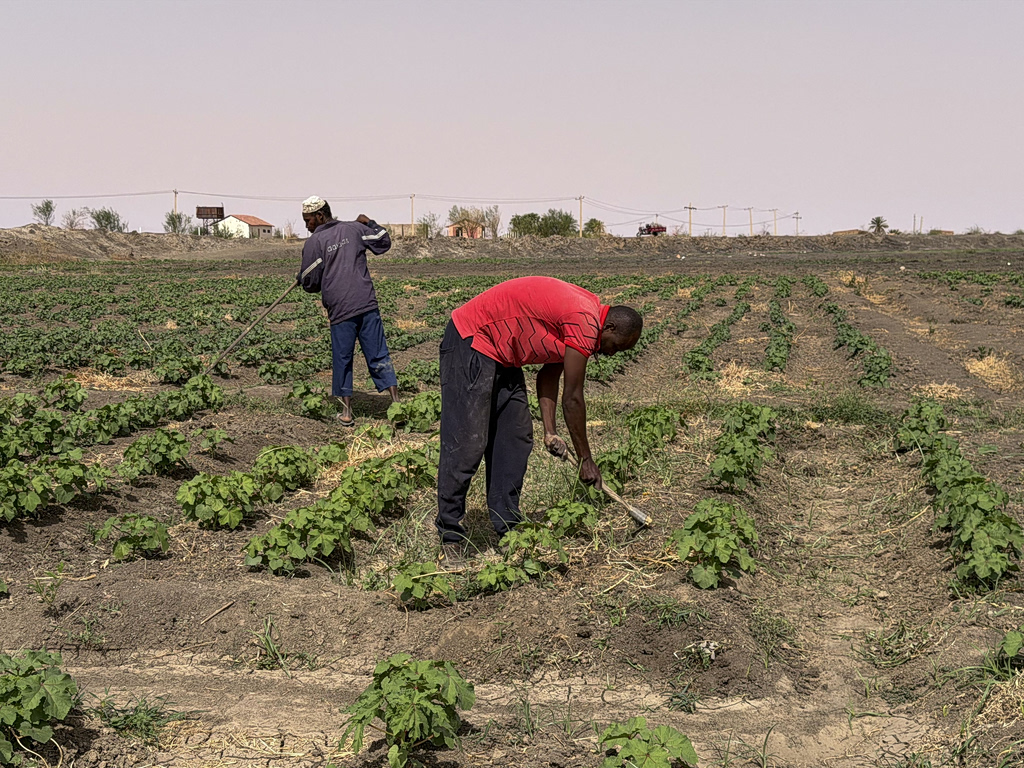
Sudanese farmers work on a field during harvest season in southern Omdurman, Sudan, May 16, 2026. REUTERS/El Tayeb Siddig
According to farmers interviewed across the country by Reuters, the rising costs are affecting staple crops such as sorghum and millet, as well as export commodities including sesame. Sudan is particularly vulnerable to regional market disruptions because it relies on Gulf countries for more than half of its fertilizer supplies, while ongoing conflict has left the country dependent on imported fuel.
The latest pressures come as Sudan remains one of the countries most affected by a growing global food crisis. More than 19.5 million people — over 40% of the population — are facing crisis levels of hunger, with some areas at risk of famine, according to a United Nations-backed monitoring system.
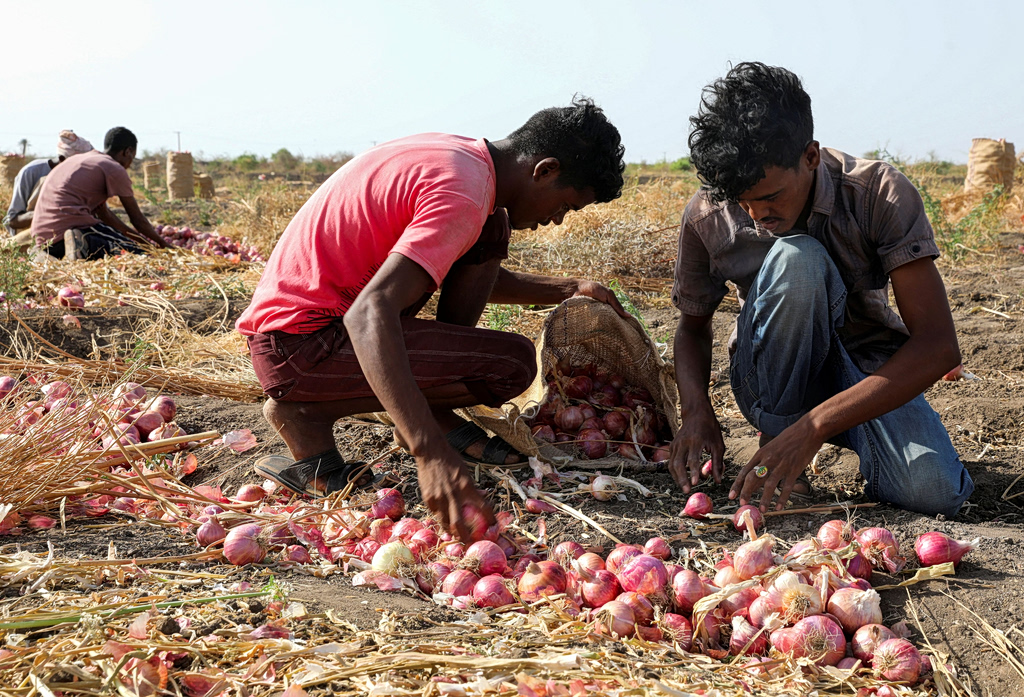
Agricultural workers pack onions into sacks in South Omdurman, Sudan May, 21, 2026. REUTERS/El Tayeb Siddig
Production at Risk
Agricultural experts fear the combined impact of war and higher input costs could sharply reduce output. Sadig Elamin, senior food security analyst for the UN Food and Agriculture Organization (FAO) in Sudan, warned that overall agricultural production could decline by at least 40%.
The UN’s humanitarian office has also cautioned that prolonged disruptions could worsen food insecurity beyond current levels.
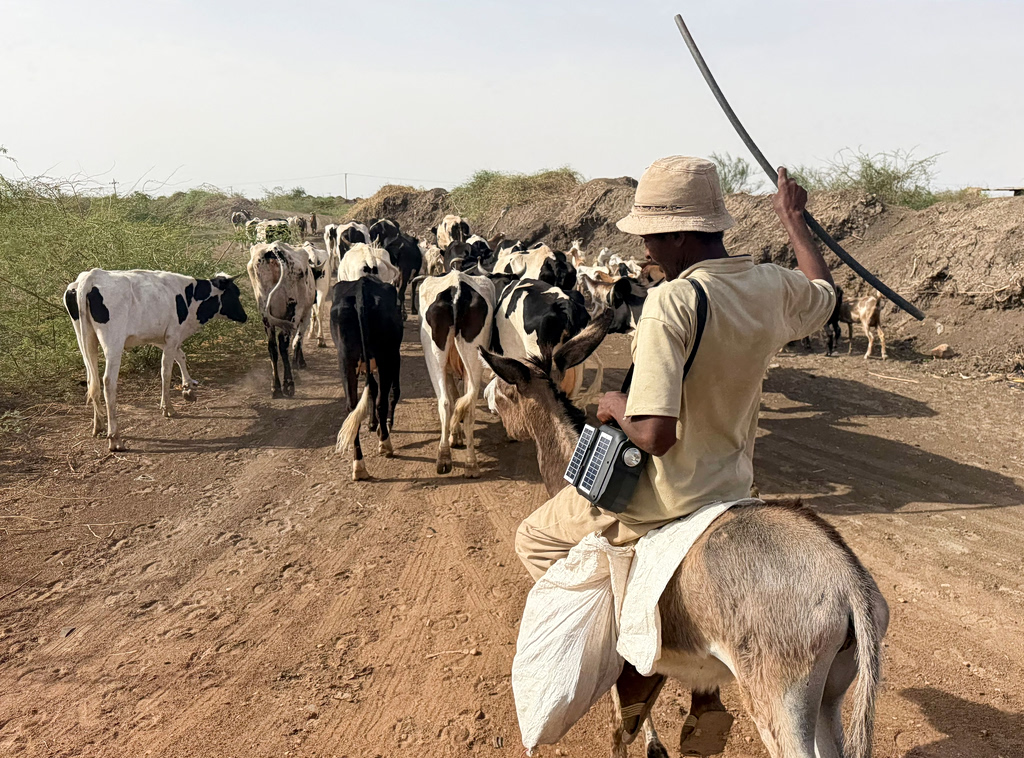
A Sudanese farmer rides a donkey alongside his cows, near his land, during the harvest season in southern Omdurman, Sudan, May 16, 2026. REUTERS/El Tayeb Siddig
For farmers in areas recently recaptured from the paramilitary Rapid Support Forces (RSF), hopes of a stronger planting season have faded. In the Jamuia agricultural scheme south of Omdurman, fertilizer prices have risen by 67% compared with a year earlier, while diesel prices used to power irrigation systems have more than doubled.
“At that price we don’t make a profit,” farmer Bashir Ismail said, noting that fuel costs consume virtually all earnings from cultivation.
The impact is already visible. In the Jamuia scheme, only 500 of 10,000 available feddans have been planted despite the season being well underway, according to local farmers’ representatives.
Farmers Cite Lack of Support
Many producers say government assistance has failed to keep pace with growing challenges. Farmers in the Gezira scheme, once responsible for around half of Sudan’s sorghum and wheat production, complain that damaged infrastructure has not been adequately restored since fighting subsided in parts of the region.
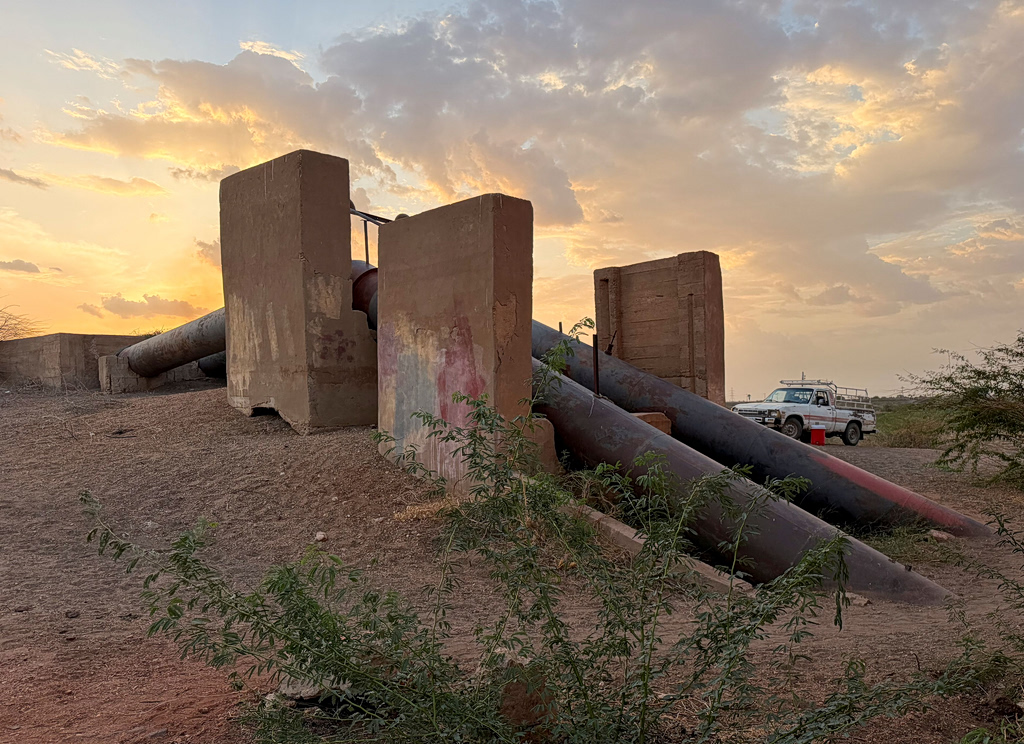
Irrigation pipes in an agricultural project in southern Omdurman, Sudan, May 15, 2026. REUTERS/El Tayeb Siddig
At the same time, crop prices have remained largely unchanged despite rising production costs, squeezing farmers’ margins and increasing debt burdens.
Sudan’s state-backed Agricultural Bank, which is intended to provide financing and agricultural inputs, has also been affected by the broader conflict. Farmers argue that financing conditions and pricing policies have made operations more difficult, while bank officials say efforts are underway to ease financial pressures by offering better repayment terms and support.
The Agriculture Ministry says it is working with the bank to establish a new financing fund and is exploring measures to help offset fuel costs while continuing repairs to irrigation infrastructure.
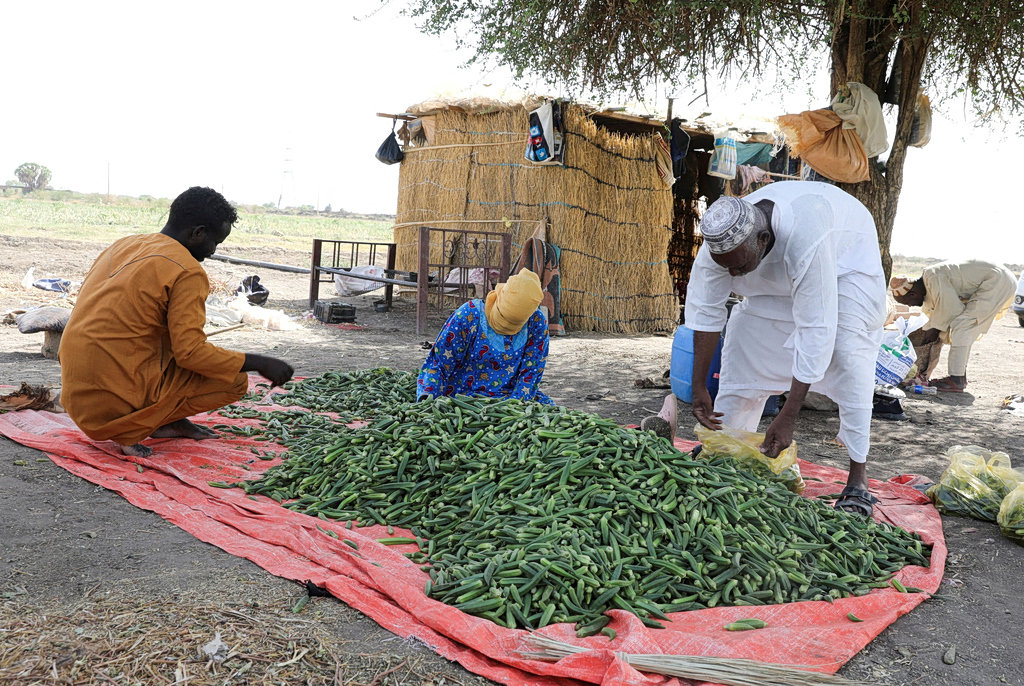
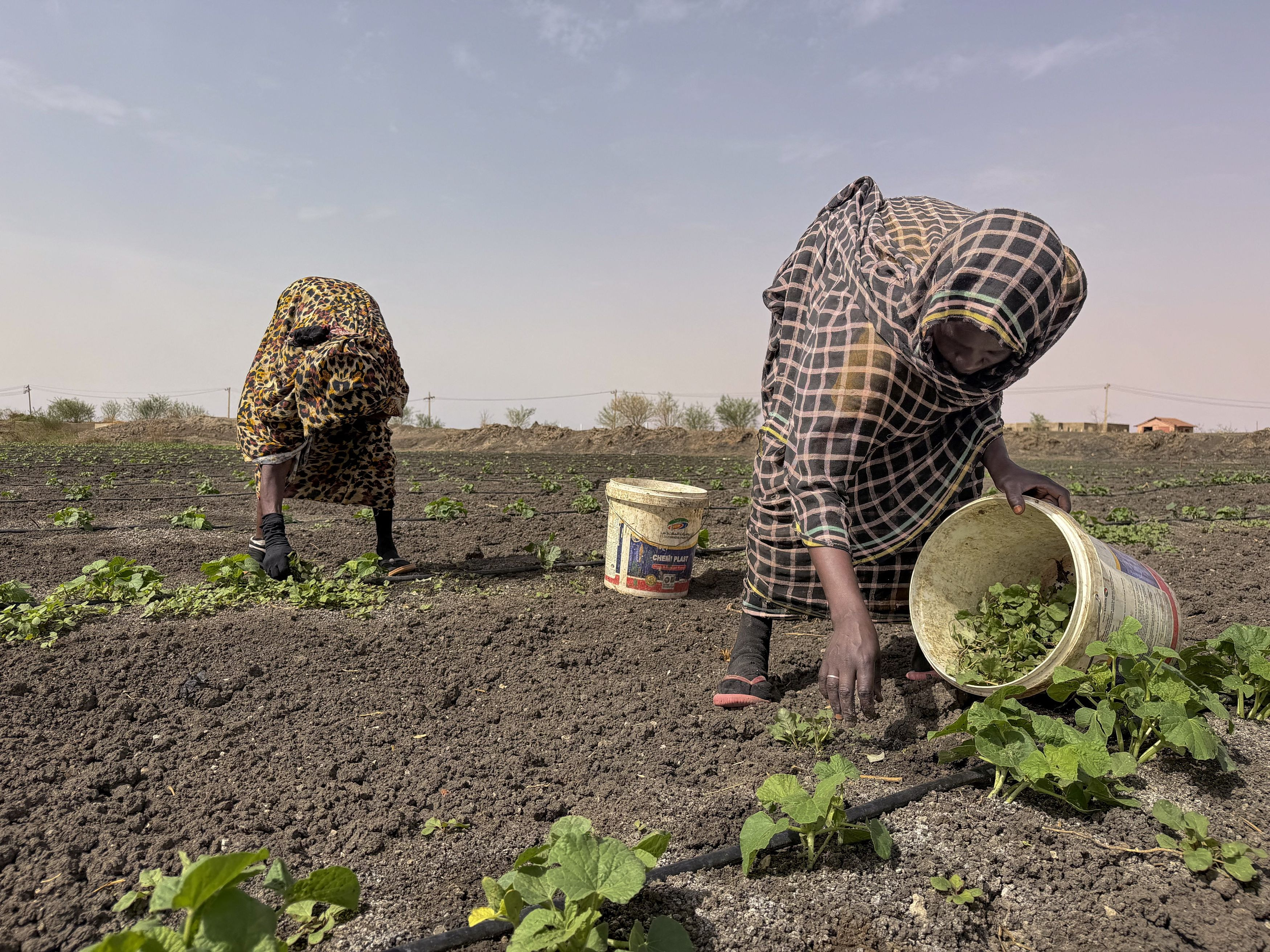
A farmer cleans vegetables in South Omdurman, Sudan May, 21, 2026. REUTERS/El Tayeb Siddig TPX IMAGES OF THE DAY
Security Challenges Persist
Beyond rising costs, insecurity remains a major obstacle in key agricultural regions such as Kordofan and Darfur, where fighting and lawlessness continue to disrupt farming activities.
Farmers report shortages of machinery, lack of financing, and ongoing security threats, including looting of equipment and crops. Some say tractors have been stolen during raids, while communities have been displaced and agricultural workers recruited into armed groups.
Agricultural suppliers also report increasing difficulties in transporting seeds, fertilizer and equipment into conflict-affected regions, with costs and risks rising significantly.