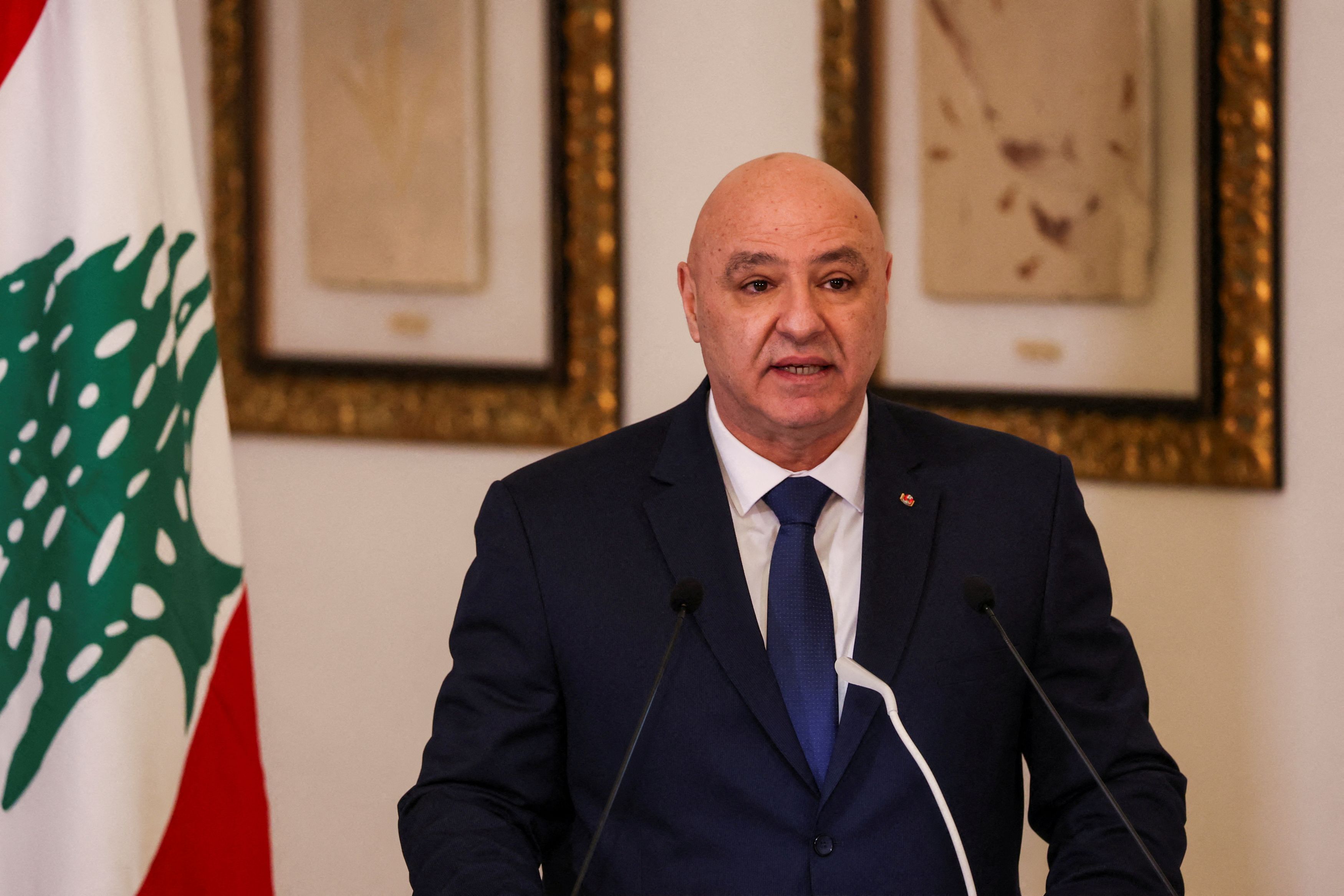
Lebanese President Joseph Aoun is set to meet U.S. President Donald Trump at the White House on Tuesday in a high-stakes visit aimed at advancing Lebanon’s security agenda, including the disarmament of Hezbollah and the withdrawal of Israeli forces from southern Lebanon.
The meeting marks the first visit by a Lebanese president to the White House in nearly 20 years and will be Aoun’s first face-to-face talks with Trump since taking office last year.
According to Lebanese officials, Aoun plans to present Trump with a written proposal outlining how Lebanon intends to dismantle the military capabilities of the Iran-backed Hezbollah movement. He is also expected to urge the U.S. president to use his influence to press Israel to withdraw its troops from southern Lebanon.
As reported in Reuters, Aoun believes Trump is the only leader with the leverage needed to secure an Israeli withdrawal and help Lebanon restore full sovereignty over its territory, a Lebanese official said.
NEWSLETTER TABLE TALK
Never miss a story.
Subscribe now.
The most important news & topics every week in your inbox.
The visit comes at a critical moment for Lebanon. Israeli troops remain deployed in parts of southern Lebanon, hundreds of thousands of Lebanese remain displaced following Israeli strikes, and Hezbollah has rejected both the government’s efforts to disarm the group and proposals for direct talks with Israel.
Before meeting Trump, Aoun held talks with U.S. Secretary of State Marco Rubio on Sunday, where he stressed that Israel should begin withdrawing from southern Lebanon in line with a U.S.-brokered agreement reached on June 26.
That agreement aims to facilitate the gradual withdrawal of Israeli forces, oversee the disarmament of Hezbollah and create conditions for peaceful relations between Lebanon and Israel.
A career military officer, Aoun previously served as commander of Lebanon’s U.S.-backed army before being elected president. His presidency has been defined by efforts to establish the state’s exclusive control over weapons, following years in which Hezbollah held significant influence over the country’s political and security landscape.
Lebanese troops have already deployed across southern Lebanon to collect Hezbollah weapons caches as part of arrangements following the 2024 war, initially without resistance from the weakened armed group.
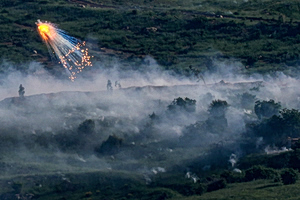
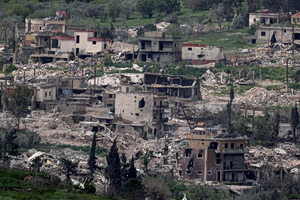
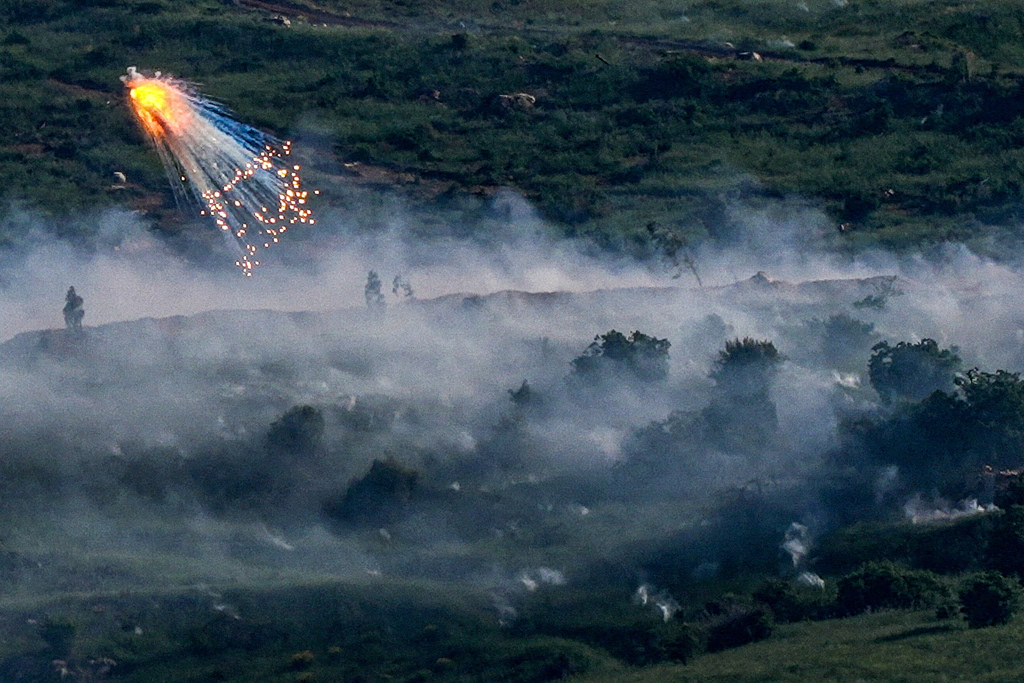
However, the security situation deteriorated after Hezbollah launched attacks on Israel on March 2 in support of Iran during the conflict involving the United States and Israel. Israel responded with a major air and ground campaign that, according to Lebanon’s health ministry, has killed more than 4,300 people, including nearly 800 children, women and medics. The ministry’s figures do not distinguish between civilians and combatants, while Hezbollah has not released casualty figures for its fighters.
Since the conflict resumed, Aoun has advocated direct talks with Israel—a significant shift for Lebanon after decades of conflict between the two countries. The move has resulted in the highest-level face-to-face contacts between Lebanese and Israeli officials in decades, while also drawing strong criticism from Hezbollah and its supporters.
Despite backing negotiations, Aoun has declined to endorse Trump’s call for a meeting with Israeli Prime Minister Benjamin Netanyahu.
Beyond security, Aoun has pledged to pursue long-delayed economic reforms and seek justice for victims of the 2020 Beirut port explosion.