TEL AVIV—Israeli Prime Minister Benjamin Netanyahu said he approved a $35 billion deal to provide natural gas to Egypt, boosting economic ties between the two countries after two years of growing tensions due the war in Gaza.
Netanyahu on Wednesday hailed the agreement with Chevron and its Israeli partners as the largest gas deal in Israel’s history, saying it would strengthen the country’s economy and status as a regional energy powerhouse.
The energy relationship between Israel and Egypt has been seen by Washington and Israel as a cornerstone for regional integration. Israel also sells gas to its neighbor to the east, Jordan, though in a much smaller quantity.
Diplomatic ties between Israel and Egypt have been sullied over disagreements about the Gaza war that began in late 2023, including dueling recriminations over violations of the peace treaty between them.
Egyptian President Abdel Fattah Al Sisi hasn’t spoken with Netanyahu throughout the two-year war in Gaza despite close security coordination between the two countries. Egypt was also a key mediator between Israel and the Gaza militant group Hamas.
The deal was already approved by Egypt in August, but Israel’s Energy Minister Eli Cohen said in October that he had rebuffed U.S. pressure to approve the deal and pushed for a better price for the Israeli market, as well as settling political issues with Egypt.
Netanyahu on Wednesday mentioned security issues were part of the deal but didn’t specify.
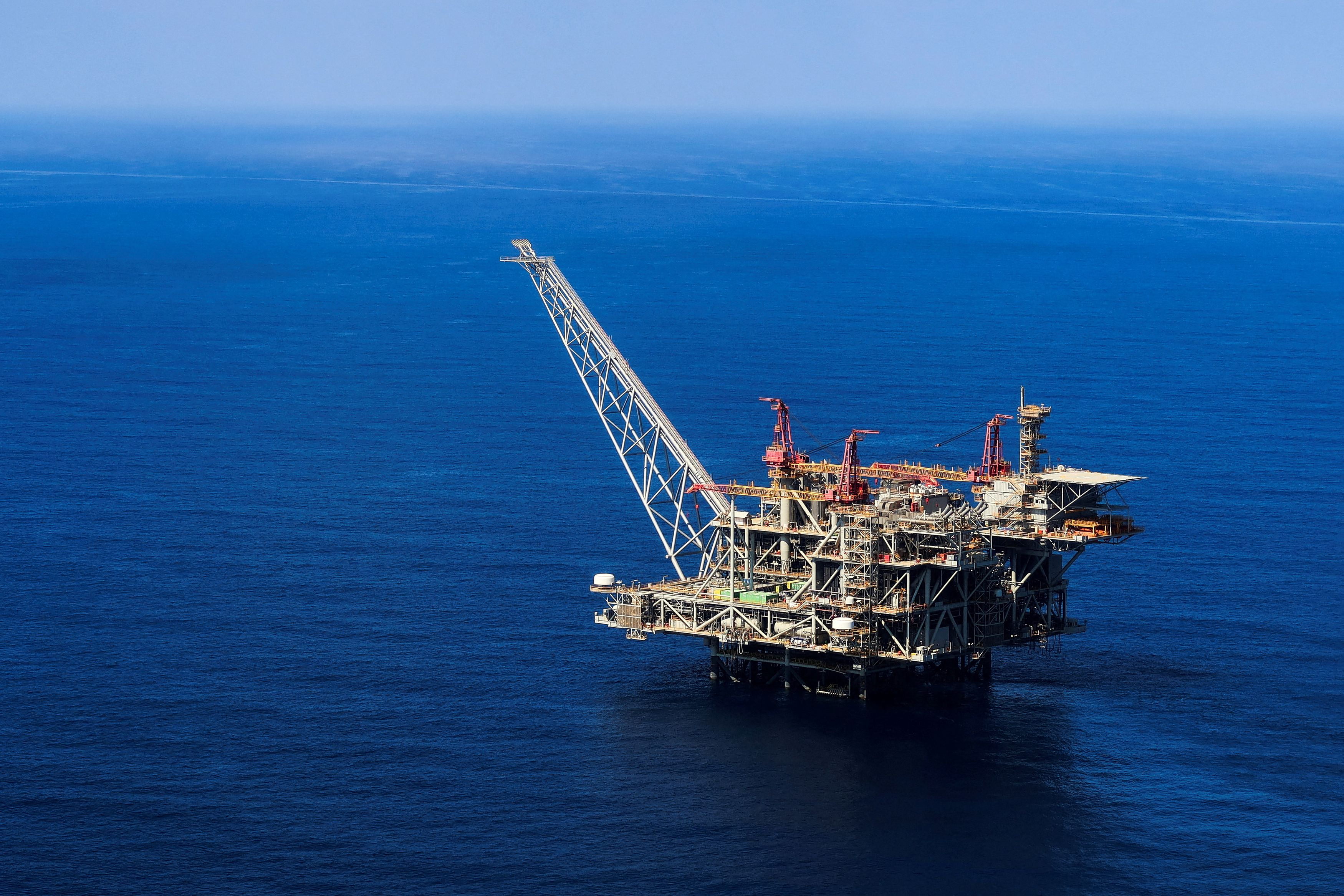
Israel began supplying Egypt with natural gas in 2020. The new deal is for 130 billion cubic meters of gas, and will see Israel supplying Egypt until 2040, said NewMed Energy, an Israeli company holding a major stake in Israel’s Leviathan gas field.
The deal will also see Chevron and its partners investing in building out Israel’s existing gas infrastructure to facilitate the deal. This includes building a third pipeline from the Leviathan reservoir to the production platform, as well as increasing the transmission pipeline capacity between Israel and Egypt. The total profit for Israel’s treasury will be 58 billion shekels, or around $18 billion, Netanyahu said.
Egypt has facilities to liquefy natural gas that allow the energy source to be shipped abroad. Egypt makes a profit by importing the gas from Israel through pipelines and shipping it abroad for a higher price.
Cairo has aspired to become the key gas hub for the region, but its own gas production has decreased in recent years while domestic needs have increased, magnifying its reliance on imported gas from Israel.
Write to Dov Lieber at dov.lieber@wsj.com