 Μake us preferred on Google
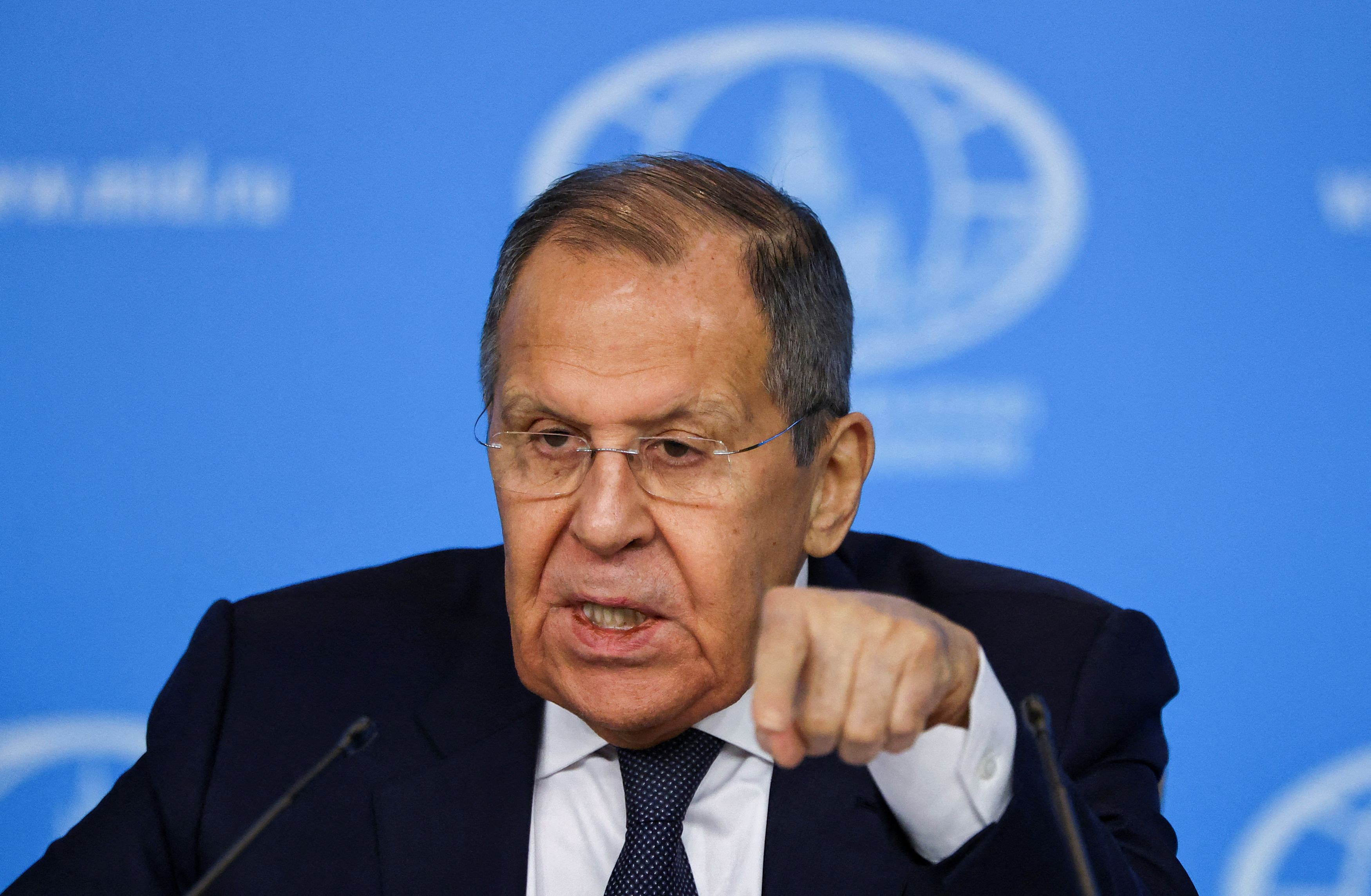
 Russian Foreign Minister Sergei Lavrov said the West must recognize that Russia holds the strategic initiative in Ukraine, stressing that battlefield realities should shape ongoing peace discussions.
In an interview with RIA state news agency, Lavrov highlighted that Russia controls about 20% of Ukrainian territory, including Crimea and four annexed regions, and that the Kremlin’s military retains momentum as the fourth anniversary of the 2022 invasion approaches. “Our principled position remains unchanged. The strategic initiative rests wholly with the Russian army and the West understands this,” Lavrov said.
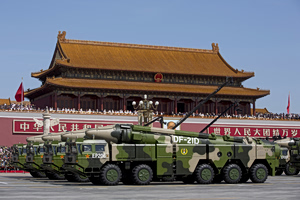
Lavrov also said Moscow awaits a response from Washington on President Vladimir Putin’s September proposal to extend the New START nuclear arms treaty for a year. “Until the treaty expires, it is logical to give the American side the opportunity to complete an all-encompassing examination of President Putin’s initiative,” he noted. He added that a settlement in Ukraine requires the country to adopt a neutral, non-aligned status and to prevent any NATO presence.
The remarks come as Russia intensifies its offensive in southern Ukraine. On Monday, Putin directed his army to press forward in the Zaporizhzhia region, where Russian forces are reportedly 15 kilometres from the city’s southern outskirts. Colonel-General Mikhail Teplinsky said Moscow controls about 75% of the wider region, one of four provinces annexed in 2022. “Frontline units are located about 15 kilometres from the southern outskirts of the city of Zaporizhzhia,” Teplinsky told Putin, who urged commanders to continue the offensive alongside eastern forces.
General Valery Gerasimov, chief of Russia’s General Staff, reported that Russian forces captured 6,640 square kilometres, including 334 villages, in 2025 alone, marking the fastest territorial gains of the year. Kyiv, he said, remains on the defensive.
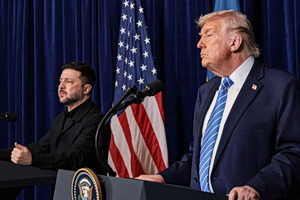
Lavrov also commented on U.S.-Ukraine negotiations, noting that Washington has engaged in “goal-oriented intermediary work” and backs the idea of elections in Ukraine after President Volodymyr Zelenskiy’s term. While Moscow maintains its demands for a neutral Ukraine, Lavrov stressed the importance of broader U.S.-Russia cooperation on global security beyond the Ukrainian conflict.