
 Μake us preferred on Google
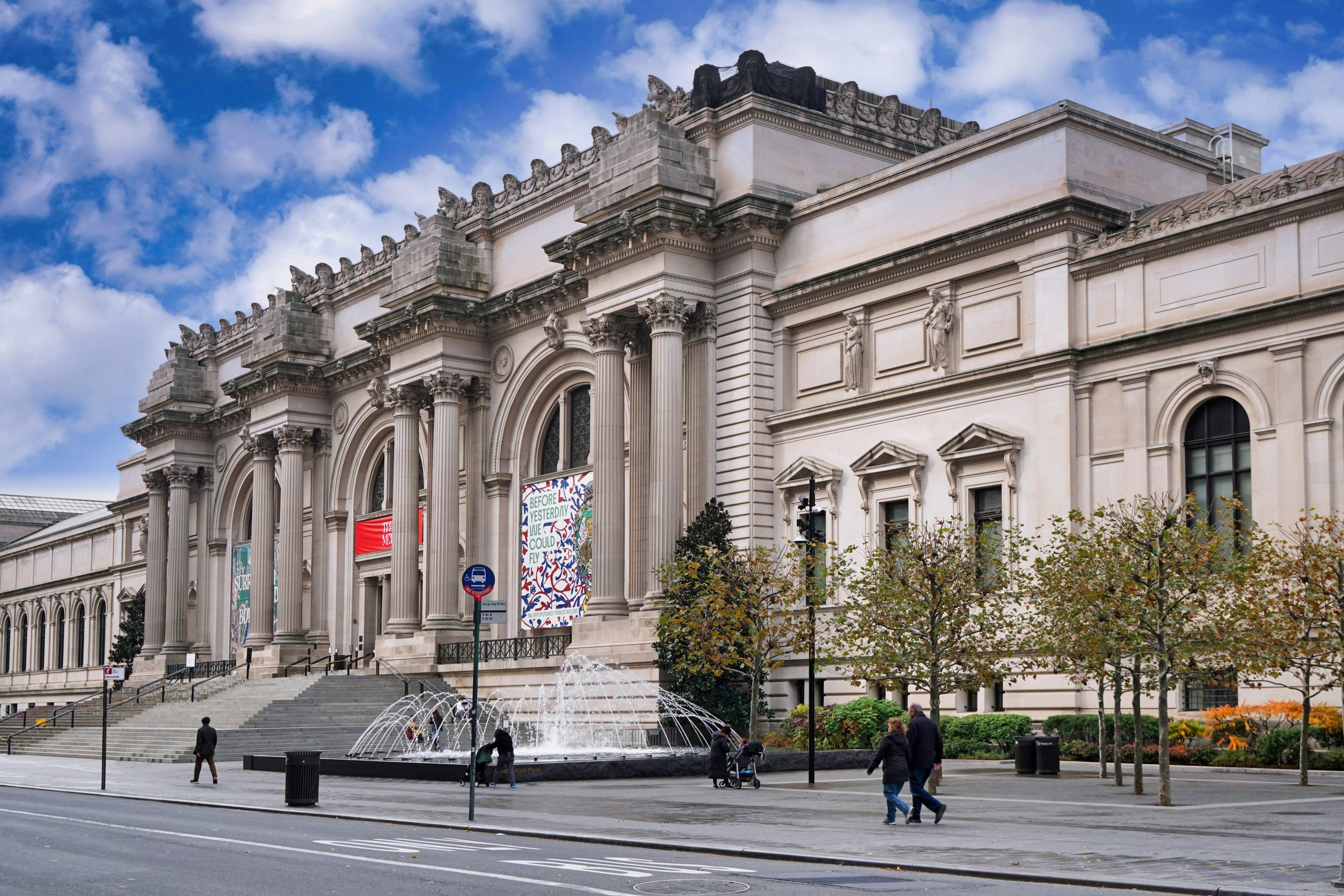
 The heirs of a Jewish couple who fled Nazi Germany in the 1930s are suing New York’s Metropolitan Museum of Art and a Greek foundation for the return of a Vincent van Gogh painting they say was looted during the Holocaust.
The lawsuit, filed Monday in a federal district court in Manhattan, concerns Olive Picking (1889), an oil painting that the Met purchased for $125,000 (€108,000) in 1956 and later sold to a Greek magnate in 1972. The painting is now displayed at the Basil & Elise Goulandris Foundation Museum in Athens.
The heirs — descendants of Hedwig and Frederick Stern, a Jewish couple from Munich — claim the museum “knew or should have known that the painting had probably been looted by Nazis,” according to the suit, first reported by the New York Times. They are seeking both the artwork’s return and unspecified damages.
A Family Forced to Flee Nazi Germany
The Sterns purchased Olive Picking in 1935 but were forced to leave Germany a year later amid intensifying persecution of Jewish families. The couple, who fled with their six children to the United States, were barred from taking the artwork with them, the complaint states.
Nazi authorities classified the painting as “German cultural property”, and in 1938 it was sold on the Sterns’ behalf — but the profits were confiscated by the regime, according to court documents.
The painting resurfaced in the United States after World War II, passing through the hands of businessman Vincent Astor before entering the Met’s collection. In 1972, the Met sold the canvas to Basil and Elise Goulandris, whose foundation now owns it.
On the Goulandris Foundation’s website, the section on Olive Picking’s provenance omits any reference to the Sterns and leaves a 24-year gap (1924–1948) in its ownership record.
Claims of Negligence and Concealment
The lawsuit alleges that the 1972 sale was overseen by Theodore Rousseau Jr., then the Met’s curator of European paintings and a leading scholar on Nazi-era art looting.
“Critically, Rousseau was also one of the world’s foremost experts on Nazi art looting,” the suit reads. “Rousseau took no action to assure himself or the Met of anything about the painting’s transfers from or within Germany during the war.”
According to Euronews, the plaintiffs argue that Olive Picking was “repeatedly and secretly trafficked, purchased and sold in and through New York” since the war’s end. They previously filed a similar case in California in 2022, which was dismissed in 2024 on jurisdictional grounds.
The heirs’ lawyers said in a statement that “in the decades since the end of World War II, this Nazi-looted painting has been repeatedly and secretly trafficked, purchased and sold.”
Museums Reject Allegations
The Metropolitan Museum of Art maintains it had no knowledge that the painting was linked to the Stern family. “The provenance of works that changed hands in German-occupied Europe during the Nazi era has long been an area of particular focus for The Met,” the museum says on its website.
The Basil & Elise Goulandris Foundation also rejected the claims, saying the suit attempts to “smear” its reputation and that it did not conceal any part of the artwork’s history.
Olive Picking, painted by van Gogh in 1889, depicts workers harvesting olives under swirling Provençal skies. The painting is currently valued at more than $75,000 (€64,800), according to court filings.