
 Μake us preferred on Google
 A series of leaks from private online group chats has exposed racist, antisemitic, and violent statements by political figures across the United States, sparking widespread condemnation and job losses. As reported in Reuters, the messages, once private, included racial slurs, praise for Nazis, and threats of political violence, highlighting the dangers of unfiltered online discourse among politicians.
The first controversy involved Young Republican leaders sending offensive messages via Telegram between January and August, referring to Black people with racial slurs and one participant declaring “I love Hitler.” Meanwhile, Democratic candidate Jay Jones faced backlash for a 2022 text threatening a political opponent, and former Trump nominee Paul Ingrassia withdrew from consideration for a federal watchdog role after sharing texts claiming a “Nazi streak” and disparaging Martin Luther King Jr. Day.
Experts say these group chats create a false sense of privacy. “It feels like private speech. But you’re betting that all members will protect you forever,” said Alex Turvy, a sociologist studying online political discourse. The rise of social media and “edgelord culture,” where shocking content signals group loyalty, has amplified such rhetoric.
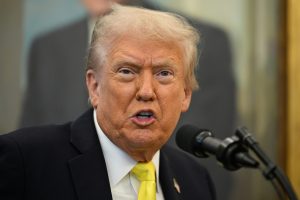
Trump’s rhetoric, including harsh statements on immigration and attacks on progressive causes, has also been cited by experts as encouraging some conservatives to believe extreme language is now permissible. Hakeem Jefferson, a Stanford political science professor, said the president has “given some cover” for speech seen in the leaked messages.
The fallout has been swift. Members of the Young Republican chats have resigned or lost jobs, and the New York Young Republicans Club was disbanded. The Young Republican National Federation condemned the behavior as “disgraceful, unbecoming of any Republican,” urging accountability.
While some, like Ingrassia’s lawyer, argue that messages were self-deprecating or manipulated, the controversies have amplified concerns about the normalization of violent and racist rhetoric in U.S. political circles, demonstrating the risks posed by private digital communications in an era of heightened scrutiny.