
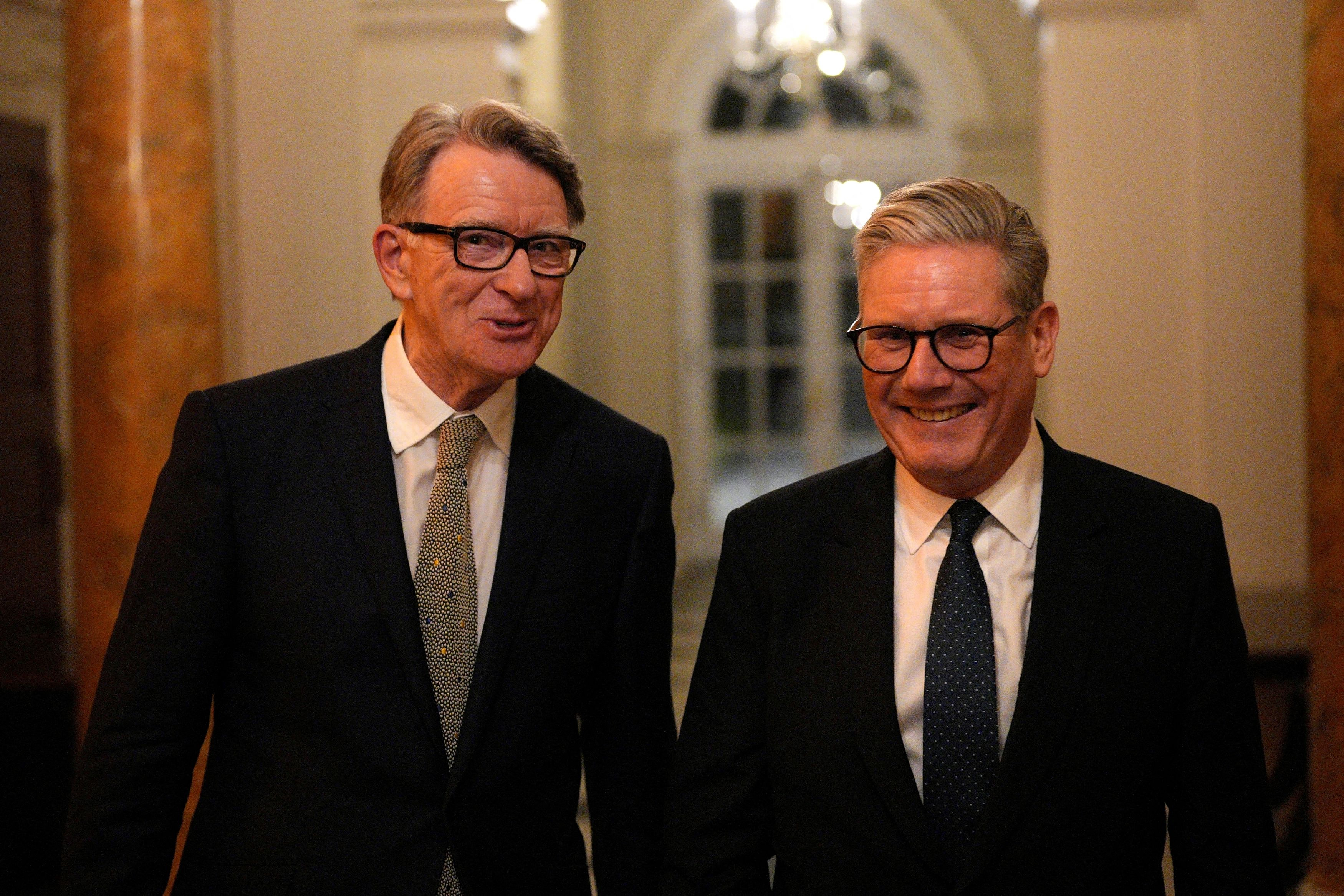
British Prime Minister Keir Starmer has refused to step aside amid mounting political pressure over the fallout from the Jeffrey Epstein scandal, vowing to remain in office despite calls for his resignation from within his own party.
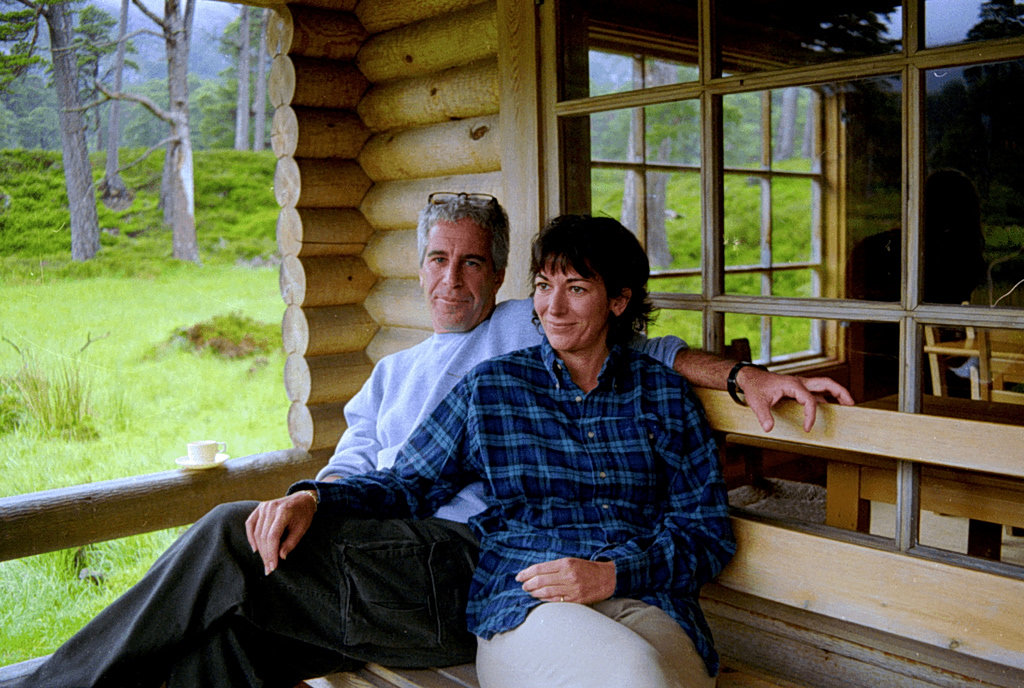
The crisis erupted after Starmer’s appointment of Peter Mandelson as Britain’s ambassador to the United States, a move that reignited scrutiny of Mandelson’s past ties to the late U.S. sex offender Jeffrey Epstein. The controversy has since deepened, triggering the departure of two senior aides and raising questions about Starmer’s judgment and grip on government.
On Monday, Anas Sarwar, leader of the Scottish Labour Party, became the most senior Labour figure to publicly call for Starmer to quit, citing the need to end the political distraction. “The leadership in Downing Street has to change,” Sarwar said, arguing that Labour’s standing in Scotland had suffered.
Starmer, however, struck a defiant tone in a meeting with Labour lawmakers, saying he would not abandon his mandate or plunge the country into instability. He framed his leadership as a bulwark against the populist Reform Party led by Nigel Farage, telling MPs: “That is my fight, that is all of our fight, and we’re in this together.”
Despite the growing unease, Starmer received backing from senior ministers and potential leadership rivals, including Deputy Prime Minister David Lammy, Finance Minister Rachel Reeves, and Foreign Minister Yvette Cooper. Angela Rayner, seen as a possible successor, also offered her full support. A warm reception from Labour MPs suggested there was no immediate move to oust him.
The controversy has already unsettled markets, with government borrowing costs rising briefly amid investor fears of a possible leadership change that could bring a more left-leaning economic agenda. The pressure on Starmer has also been amplified by the resignation of his communications chief, Tim Allan, following the earlier departure of his closest aide, Morgan McSweeney, who said he took responsibility for advising on Mandelson’s appointment.
Mandelson himself is now under police investigation for alleged misconduct in office, after U.S. Justice Department files released last month included emails suggesting he leaked sensitive discussions to Epstein during the financial crisis. Mandelson has not commented publicly on the allegations.
Starmer has defended his own actions, accusing Mandelson of a “litany of deceit” over his Epstein ties and pledging to publish documents relating to the appointment. As the prime minister prepares further meetings with lawmakers, the episode marks one of the most serious challenges of his nearly two years in office, threatening to derail efforts to refocus on the cost-of-living crisis and economic growth.