 Μake us preferred on Google
 Sweden is preparing its prison system for offenders as young as 13 as the government pushes forward with plans to lower the age of criminal responsibility and take a tougher stance on gang-related violence involving children.
The proposed legislation, set for a parliamentary vote on June 15, would reduce the age of criminal responsibility from 15 to 13. Under the new framework, minors convicted of the most serious crimes would be sent to specially adapted prisons rather than placed in social care facilities.
The move comes as Sweden continues to grapple with a decade-long rise in gang violence, including shootings and bombings. Authorities say criminal networks have increasingly recruited children through social media, sometimes using youngsters as young as 11 to carry out murders and attacks across the Nordic region.
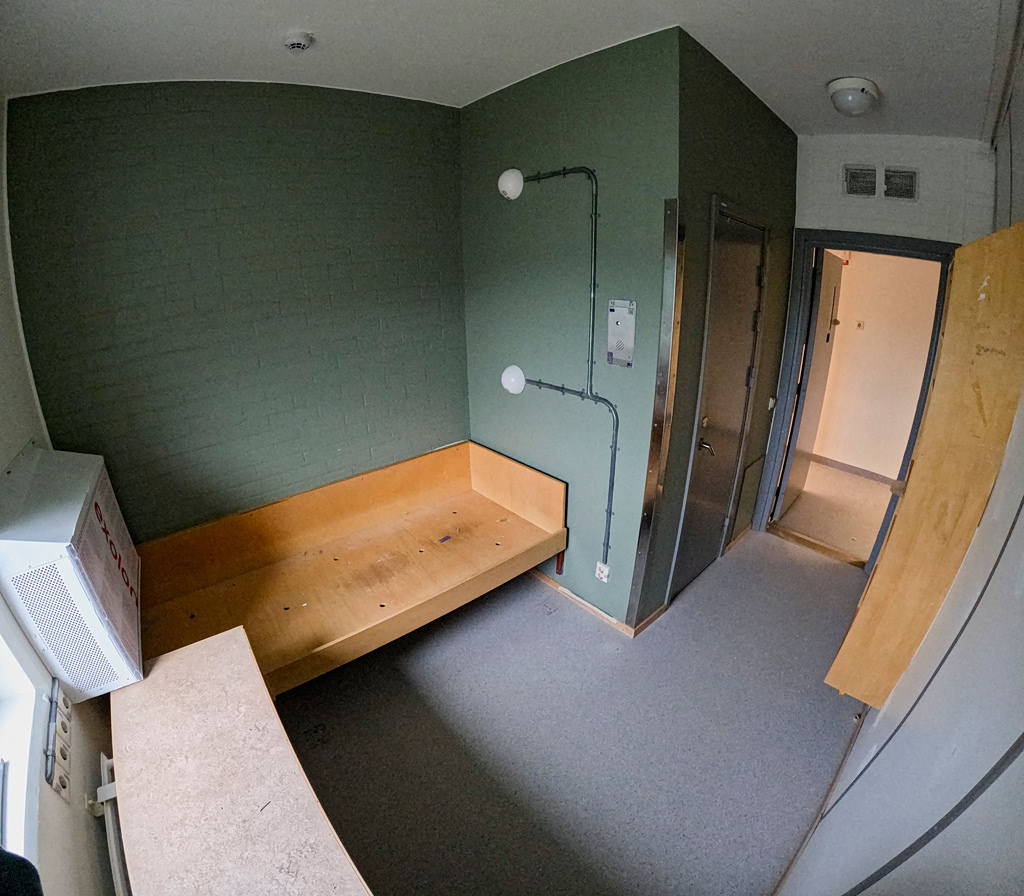
A cell being rebuilt to house teenage offenders at Rosersberg prison near Stockholm, Sweden, May 25, 2026. Picture taken with an action camera. REUTERS/Tom Little
According to Justice Minister Gunnar Strommer, 52 children under the age of 15 were involved in legal proceedings related to suspected murder or attempted murder in 2025 alone.
“We’re talking about murder,” Strommer said when outlining the need for tougher measures.
Special Prisons Being Prepared
One of the facilities being adapted for young offenders is Rosersberg Prison, located north of Stockholm. The prison is among three institutions being rebuilt to house teenagers convicted of violent crimes.
Officials say the facilities will place a strong emphasis on education and rehabilitation. Inmates will attend school, while leisure activities will include television, video games and gym access. Cells will be locked each evening from 8 p.m.
Prison Governor Gabriel Wessman said the challenge will be balancing security with the emotional and developmental needs of young inmates.
“They will grow up in here,” Wessman said, noting that some teenagers entering prison may never have lived away from their parents before. He added that authorities are considering measures to provide emotional support, including items such as soft toys for younger inmates.
Government Seeks Tougher Response to Gang Crime
The government argues that Sweden’s previous approach has failed to prevent youth involvement in organised crime. Officials point to findings showing that nine out of ten young gang members placed in youth homes reoffend, while eight out of ten eventually end up in prison as adults.
The proposed changes form part of a broader crackdown on gang crime that also includes longer prison sentences and expanded police powers.
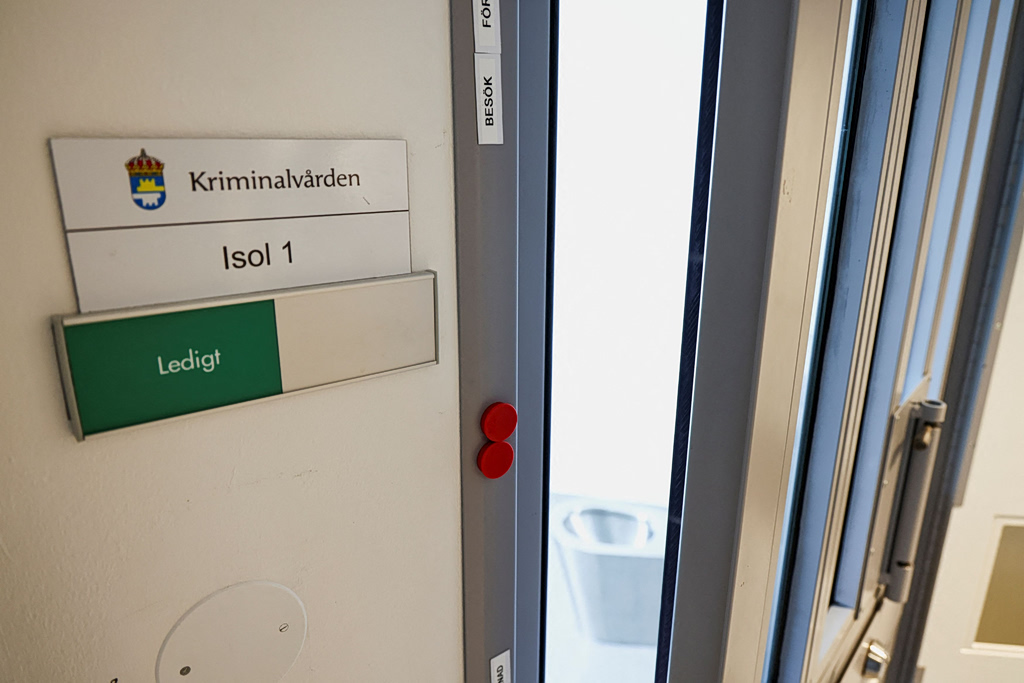
An isolation cell at Rosersberg Prison, a facility being partially rebuilt to house teenage offenders, near Stockholm, Sweden, May 25, 2026. REUTERS/Tom Little
Authorities say the strategy is already producing results. The number of fatal shootings fell to 44 in 2025, down from a peak of 62 in 2022, while more gang members are now incarcerated.
Government supporters argue that prison sentences for serious juvenile offenders will protect the public, deliver justice for victims and help break ties between young criminals and gang networks.
Critics Question Effectiveness
The plans have drawn criticism from opposition politicians, criminologists and some law enforcement bodies, who warn that imprisonment may not reduce youth crime and could harm children’s long-term prospects.
Centre Party spokesperson Wilma Roth argued that children under 15 who commit serious crimes should receive treatment and care rather than prison sentences.
Researchers have also questioned whether lowering the age of criminal responsibility acts as a deterrent. Critics note that Denmark previously reduced the age threshold to 14 but later research found no measurable impact on crime rates.
Stockholm University criminology professor Felipe Estrada Dorner said society must be protected from violent offenders but warned of the risks of incarcerating already vulnerable children.
“We cannot have murderers walking our streets,” he said, while cautioning that prison could further damage the life chances of marginalized youth.