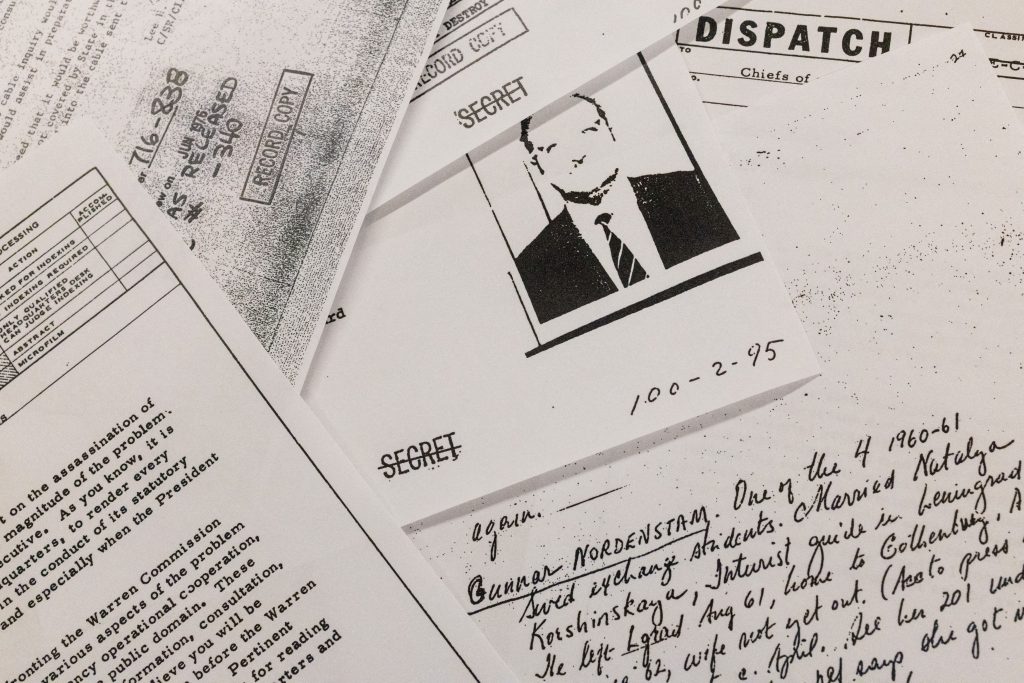
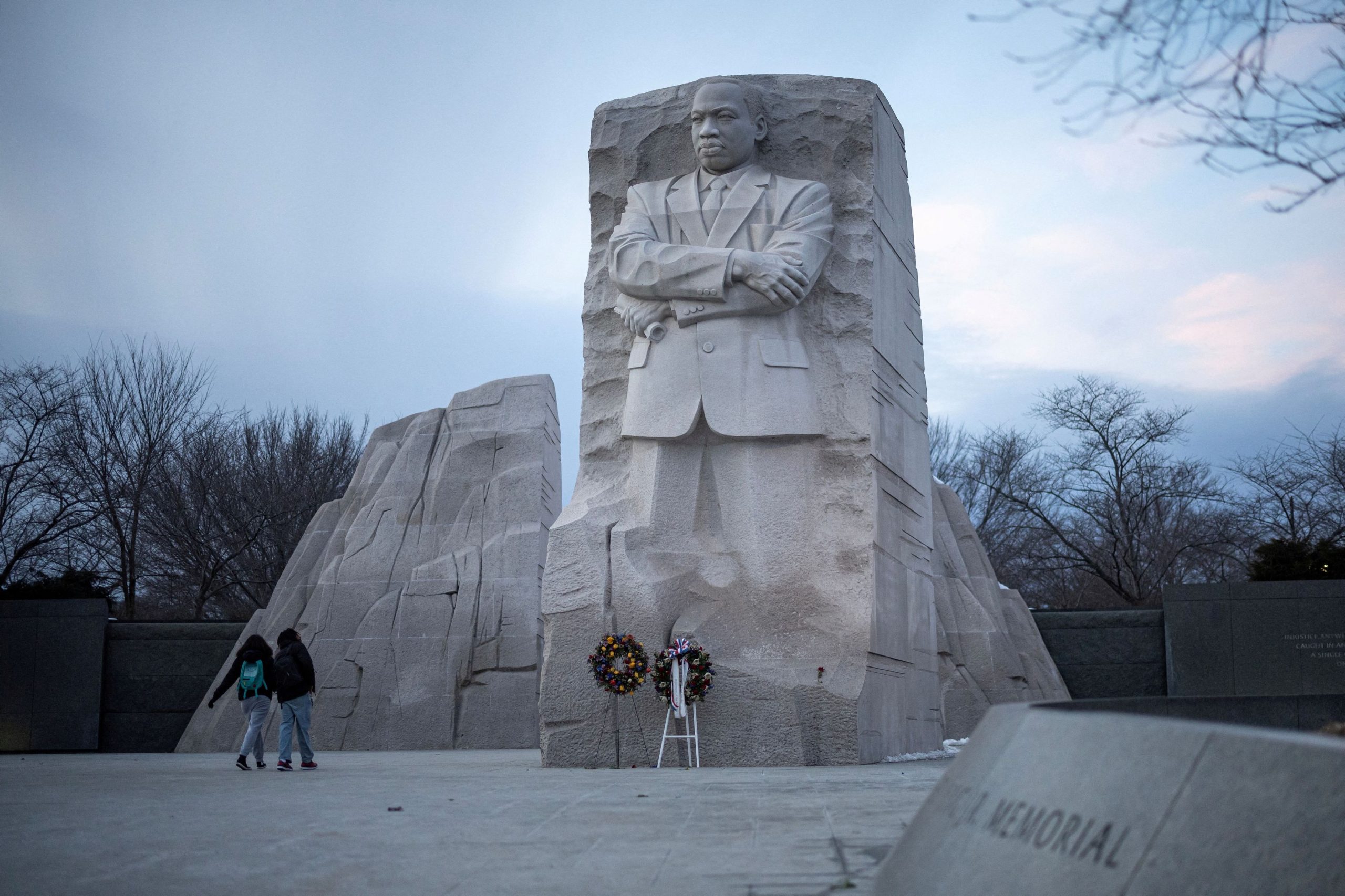
The U.S. Department of Justice has released over 240,000 pages of documents related to the assassination of Dr. Martin Luther King Jr., marking a major disclosure under the administration of former President Donald Trump, who had pledged to increase transparency on political killings in U.S. history.
The files, many from the Federal Bureau of Investigation, were posted on the National Archives website, with more expected to follow. The release sheds light on the FBI’s surveillance of the civil rights leader, which included wiretapping and monitoring during the 1950s and 1960s under then-director J. Edgar Hoover.
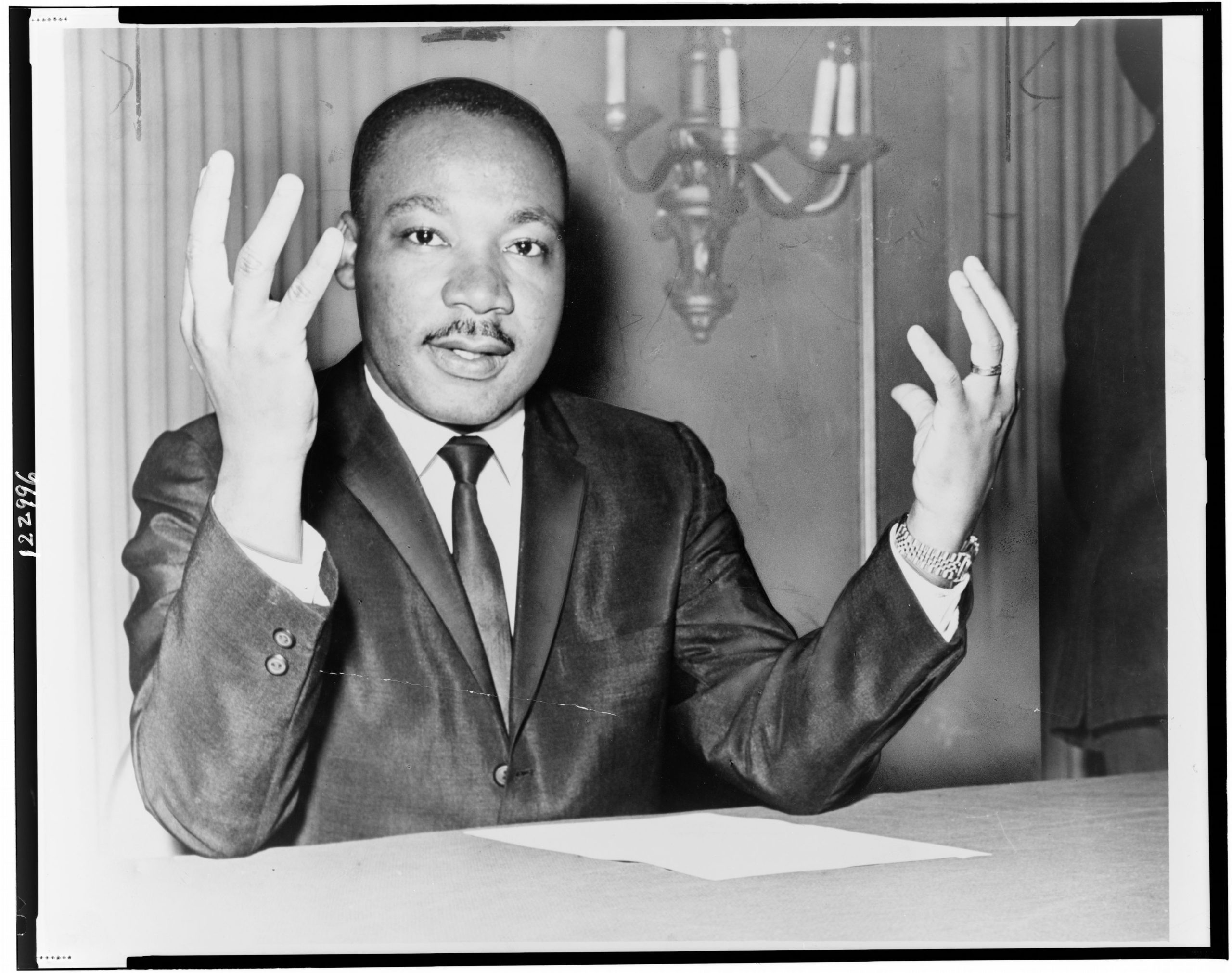
The FBI had falsely claimed King had communist ties during the Cold War — an effort the bureau has since acknowledged as a historical abuse of power.
Dr. King was assassinated on April 4, 1968, in Memphis, Tennessee, while championing not only racial equality but also economic justice and peace. His death triggered nationwide unrest in a year already marked by political turmoil, anti-war protests, and the assassination of Senator Robert F. Kennedy.
The release of the MLK files follows similar actions by Trump’s administration, which earlier made thousands of pages public related to the deaths of both Robert Kennedy and President John F. Kennedy, assassinated in 1963.
King’s family issued a public statement urging anyone accessing the documents to approach them “with empathy, restraint, and respect,” noting the surveillance campaign had caused their family ongoing grief.
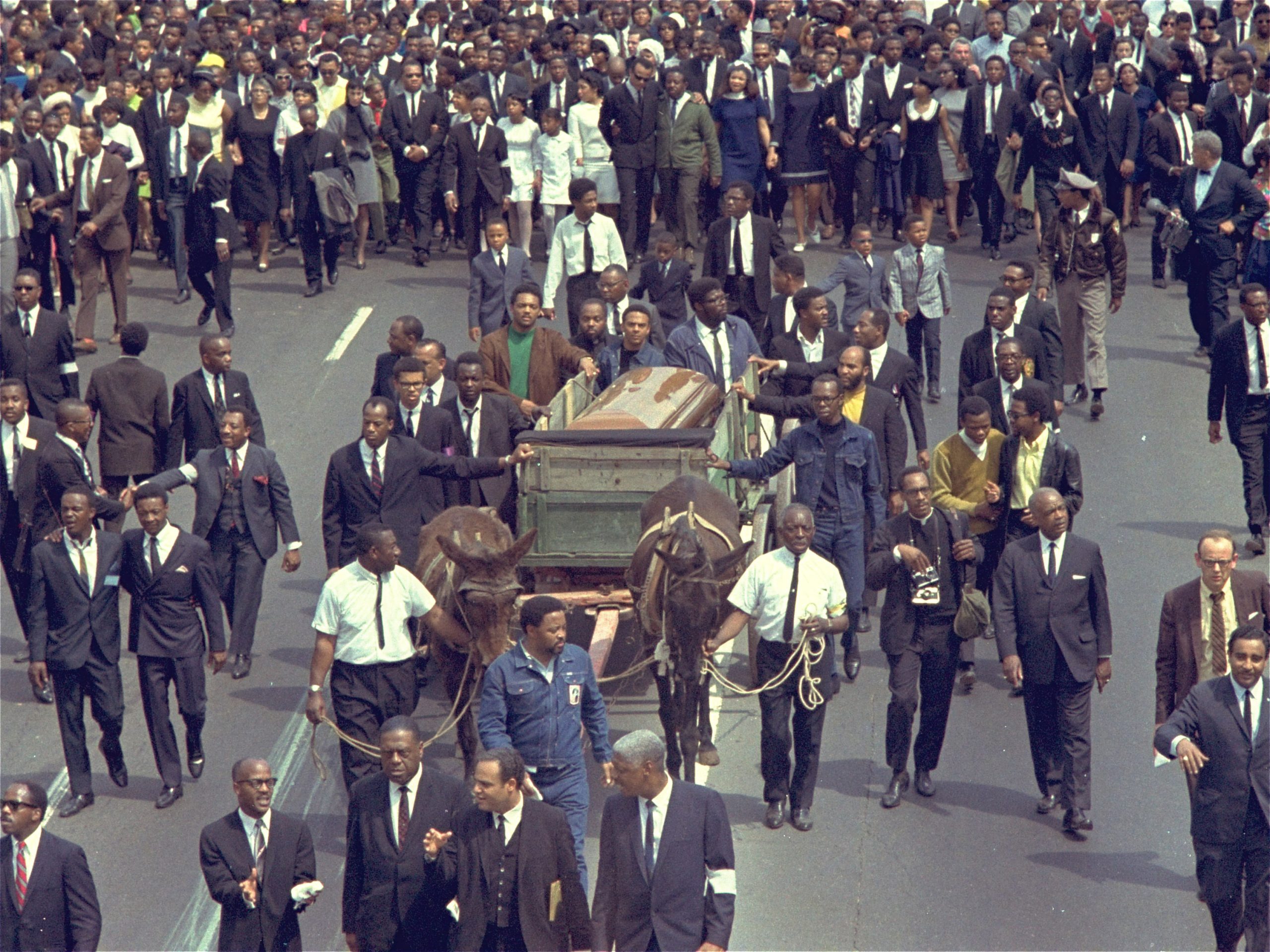
A brace of plow mules drawing the farm wagon bearing the mahogany casket of Dr. Martin Luther King, Jr., along the funeral procession route in Atlanta, Ga., April 9, 1968. (AP Photo)
“During our father’s lifetime, he was relentlessly targeted by an invasive, predatory, and deeply disturbing disinformation and surveillance campaign,” said Martin Luther King III and Bernice King, referring to Hoover’s FBI.
The family also referenced a 1999 civil lawsuit in which a jury concluded that Dr. King was the victim of a conspiracy involving Loyd Jowers, unnamed government agencies, and other parties. The verdict supported their belief that James Earl Ray, who confessed and later recanted, was not the actual shooter but was set up to take the blame.
Jowers, a former Memphis police officer, publicly claimed in 1993 to have participated in a plot to assassinate King. However, a 2023 Justice Department report later cast doubt on his claims, labeling them dubious.