 Μake us preferred on Google
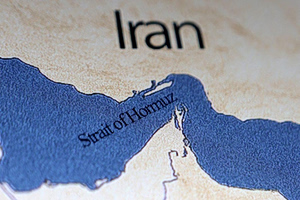
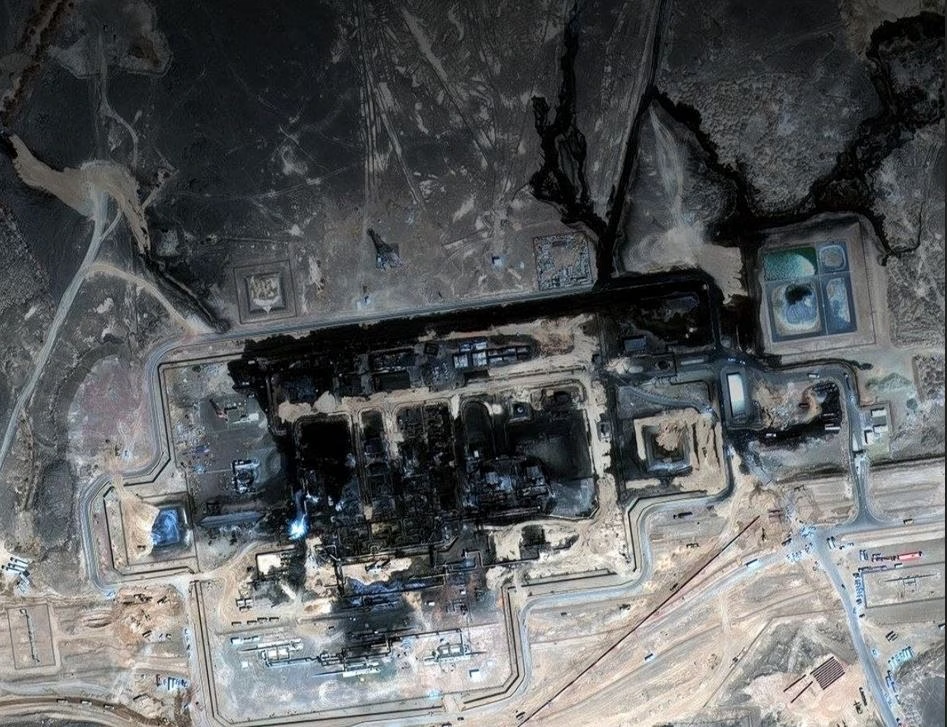
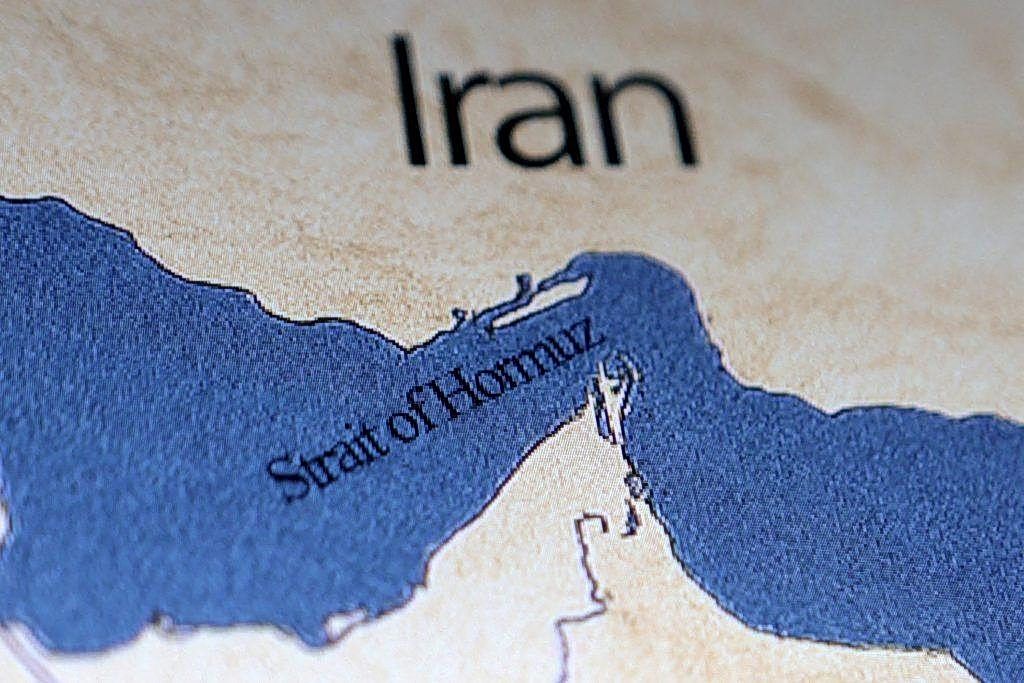
 Fresh Iranian missile and drone strikes hit the United Arab Emirates, Qatar, Saudi Arabia, Bahrain, and Kuwait, affecting U.S. and allied military bases as well as civilian infrastructure. Tehran has also effectively closed the Strait of Hormuz, through which 20% of global oil supplies transit, raising energy prices worldwide.
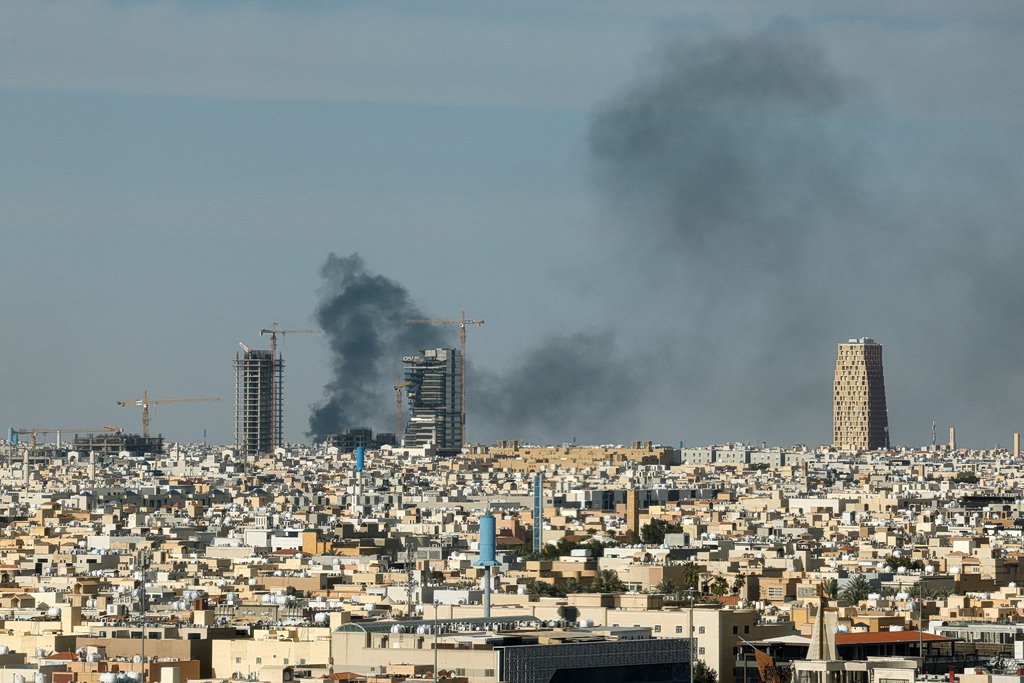
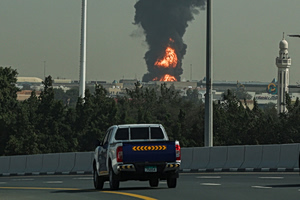
Smoke rises above the city, amid the U.S.-Israeli conflict with Iran, in Riyadh, Saudi Arabia, March 5, 2026. REUTERS/Stringer
Despite U.S. President Donald Trump claiming the attacks were a surprise, sources familiar with U.S. intelligence say he was warned before the war that Iran could retaliate against Gulf allies if Tehran perceived their support for U.S.-Israeli airstrikes.
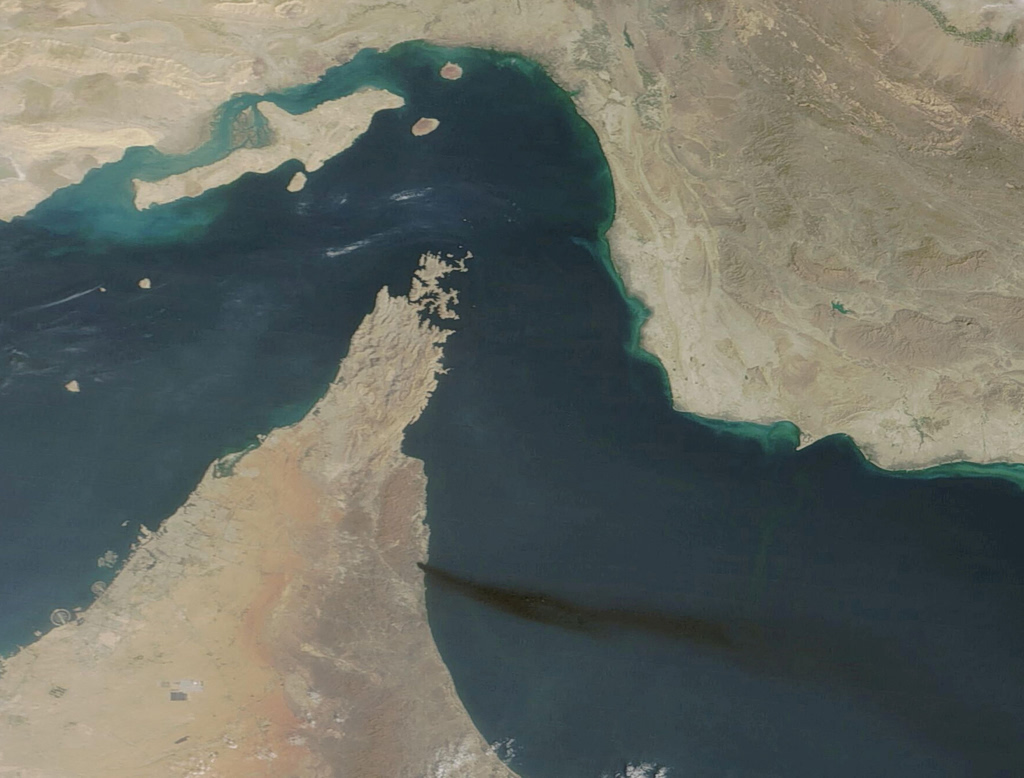
Satellite image shows smoke rising from UAE’s Fujairah port, amid the U.S.-Israeli conflict with Iran, in Fujairah, United Arab Emirates, March 15, 2026. Nasa Worldview/Handout via REUTERS THIS IMAGE HAS BEEN SUPPLIED BY A THIRD PARTY. MANDATORY CREDIT.
As reported in Reuters, Trump stated on Monday, “Nobody expected that. We were shocked,” repeating his astonishment at Iran targeting multiple Gulf countries.
U.S. and Israeli Campaign Continues
The conflict, now in its third week, has left at least 2,000 people dead. Israeli airstrikes are ongoing in Tehran and Hezbollah sites in Beirut, targeting what Israel describes as “Iranian regime infrastructure.” Rockets and drones also struck the U.S. embassy in Baghdad, though no injuries were reported.
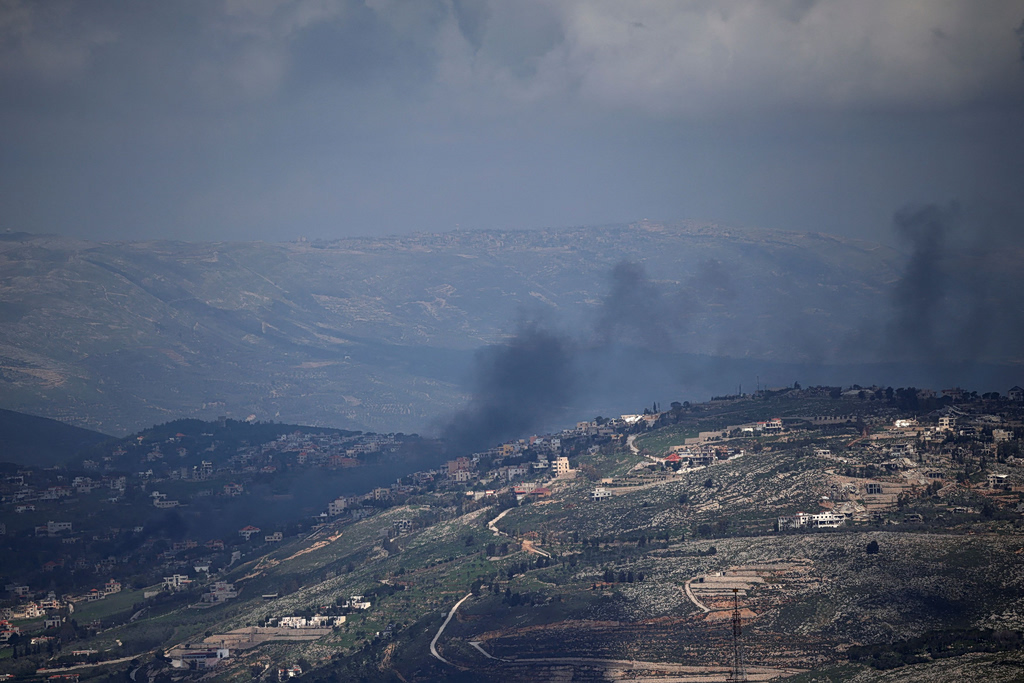
Smoke rises from a village in Lebanon following an Israeli strike, amid escalation between Hezbollah and Israel, and amid the U.S.-Israeli conflict with Iran, as seen from northern Israel, March 16, 2026. REUTERS/Shir Torem
Iranian officials assert the country’s offensive capabilities remain intact, with parliament speaker Mohammad Baqer Qalibaf stating Tehran’s firepower and accuracy have increased despite the strikes.
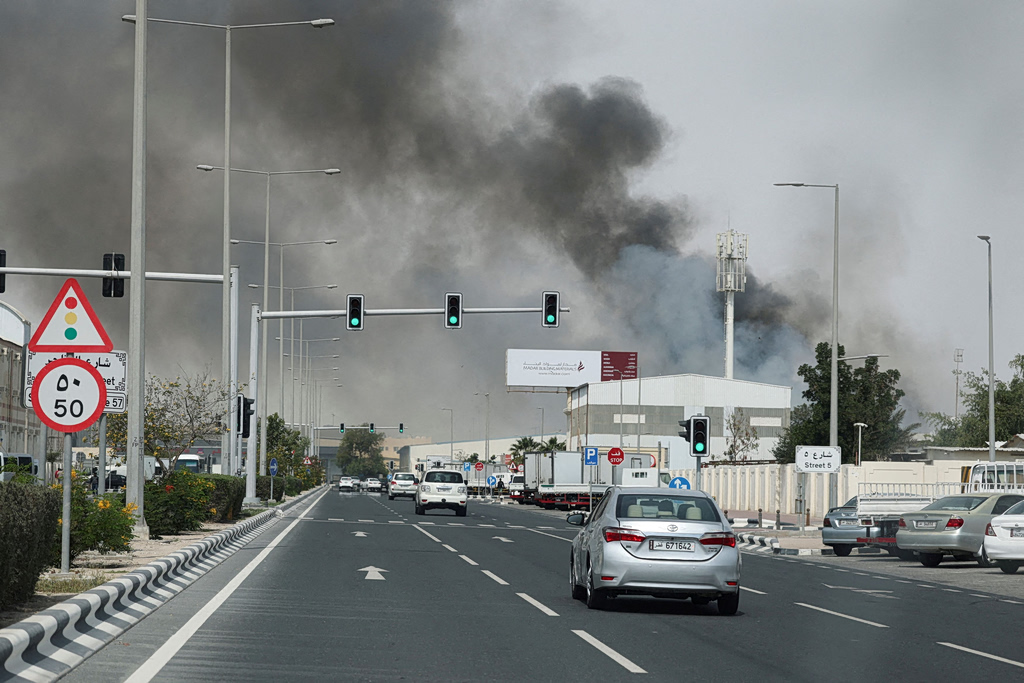
FILE PHOTO: Smoke rises after reported Iranian missile attacks, following United States and Israel strikes on Iran, as seen from Doha, Qatar, March 1, 2026. REUTERS/Mohammed Salem/File Photo
Gulf States Urge Comprehensive Action
Initially opposed to war, Gulf Arab states are now pressing the U.S. not to stop short, three Gulf sources told Reuters, fearing Iran could retain enough power to threaten their oil lifelines again. Officials argue that unless Iran is severely weakened, it will continue to hold the region hostage, impacting energy security and economic stability.
The six-member Gulf Cooperation Council has only held one Zoom call to coordinate responses, and no summit has yet been convened.
Strait of Hormuz Crisis Deepens
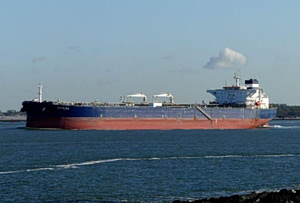
Trump has called for a coalition of nations to help reopen the Strait of Hormuz, but most Western allies, including Germany, Japan, Australia, Spain, and Italy, have declined to send naval ships. Experts note that the waterway remains controlled by Iran, highlighting a long-term threat to global oil flows.
Oil prices spiked more than 5% on Tuesday, reversing earlier losses and intensifying concerns about global inflation and economic slowdown, known as stagflation. Policymakers and investors are closely watching developments, as Gulf states weigh the risk of escalation against the need to defend energy security.
Trump Seeks Wider Support
Trump has urged China and other oil-importing nations to assist in securing the strait, suggesting he may delay a summit in Beijing if cooperation is not forthcoming. Analysts emphasize that regional and global stakeholders may ultimately need to share responsibility to prevent further disruption to oil and gas flows.