
 Μake us preferred on Google
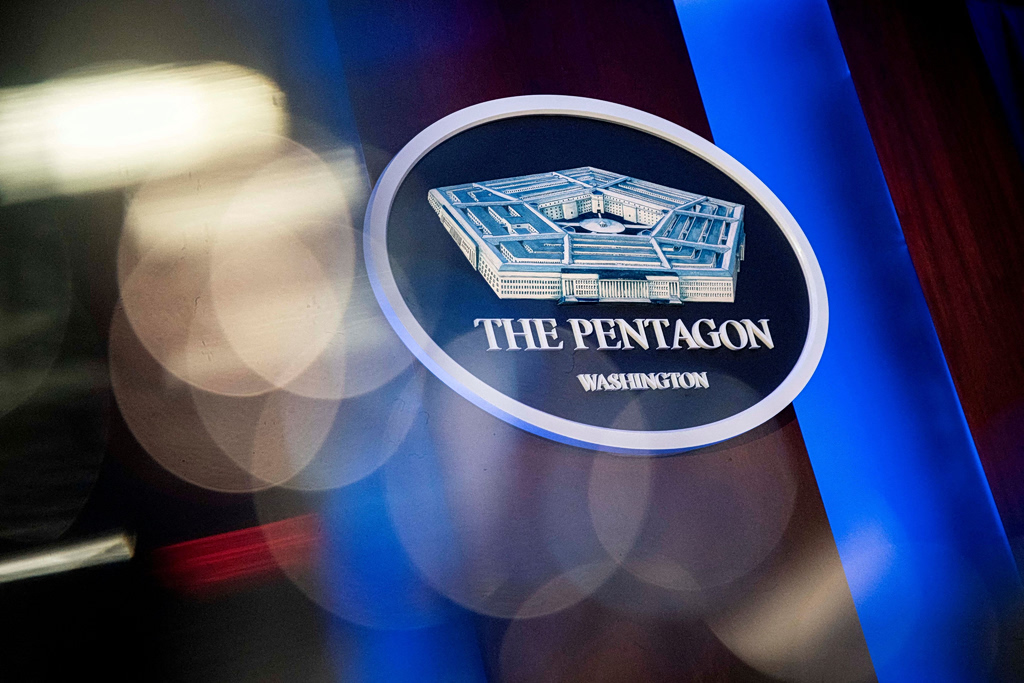
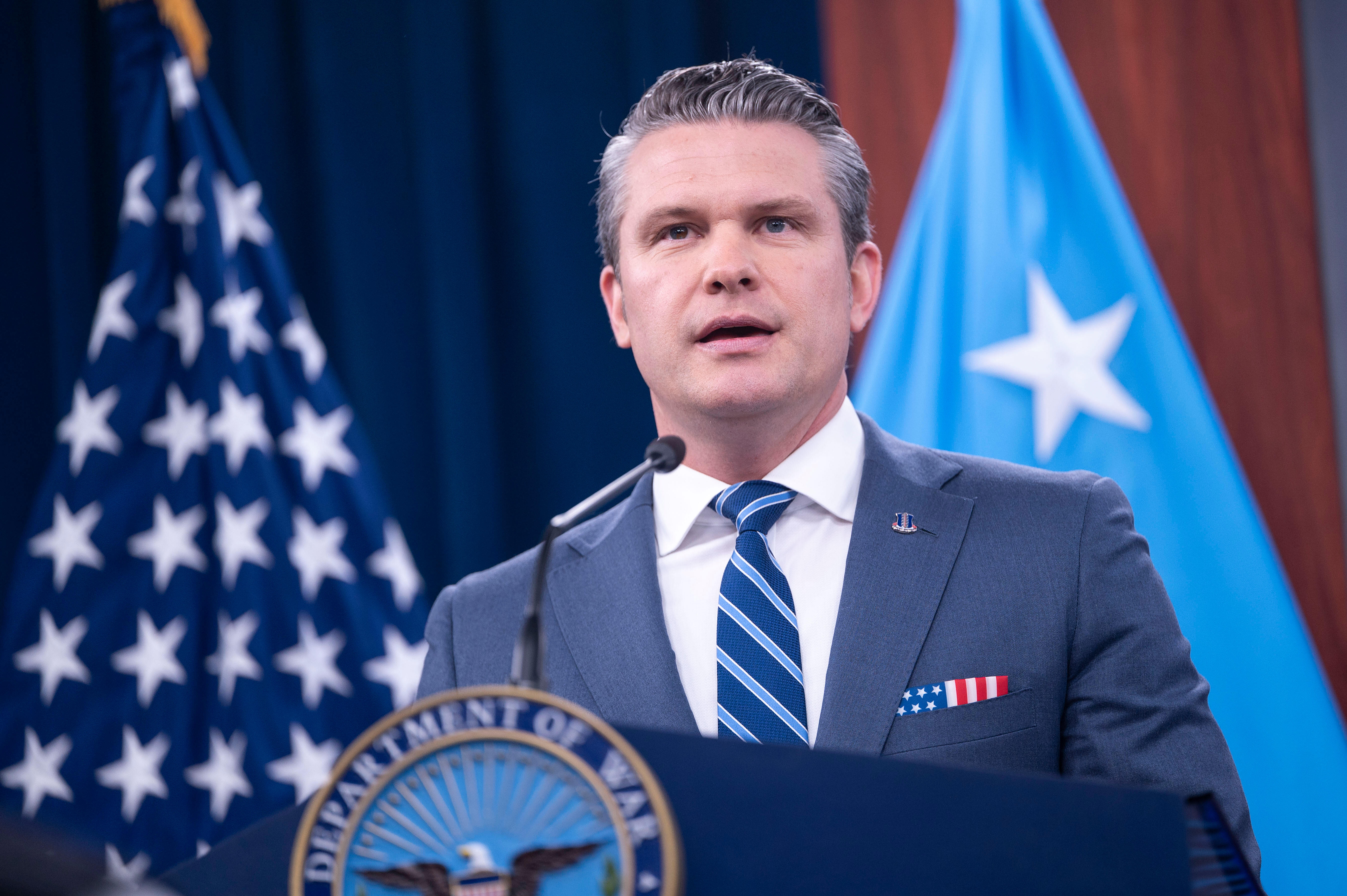
 The Defense Department has completed agreements with six technology companies, including many of the industry’s biggest, to use their artificial-intelligence capabilities in classified settings, boosting the Pentagon’s efforts to gain access to cutting-edge AI tools .
The department said Friday it is now capable of using in classified settings the technology and models from the ChatGPT maker, OpenAI; Alphabet’s Google; Elon Musk’s SpaceX; Microsoft ; Nvidia ; and a startup, Reflection AI. SpaceX owns Musk’s AI company, xAI.
While some of the companies, including OpenAI and SpaceX, had initial deals with the Pentagon agreeing to have their AI tools used by the military in all lawful scenarios, completing the contracts is an important step toward embedding them in day-to-day operations. The deals show how much of Silicon Valley is agreeing to the Defense Department’s terms in a way that Anthropic didn’t when it rejected the Pentagon’s contract earlier this year in what spiraled into a monthslong feud. The deals also highlight how the Pentagon is racing to incorporate AI into its systems.
For many months, Anthropic’s Claude models were some of the only tools available in classified settings through the data-mining company Palantir Technologies , which offers AI tools to the military through its platform Maven. In response to a contract dispute, the Pentagon declared Anthropic a supply-chain risk unsuitable for military work, increasing the urgency of offering other models to servicemembers in classified settings. Defense Secretary Pete Hegseth , while testifying in Congress on Thursday, called Anthropic Chief Executive Dario Amodei an “ideological lunatic.”
Emil Michael , undersecretary of defense for research and engineering and a former tech executive , said in a statement: “We are equipping the warfighter with a suite of AI tools to maintain an unfair advantage and achieve absolute decision superiority.”
Microsoft, one of the largest providers of cloud-computing infrastructure and a partner to model developers, already has deep relationships with the Pentagon as well as its own AI tools. Its competitor Amazon.com is in talks with the Defense Department to complete a deal.
The Pentagon’s deals with Nvidia and Reflection are new and highlight a desire to offer open-source models , the details of which are publicly available to developers. Most leading AI models are closed, limiting how users can customize them.
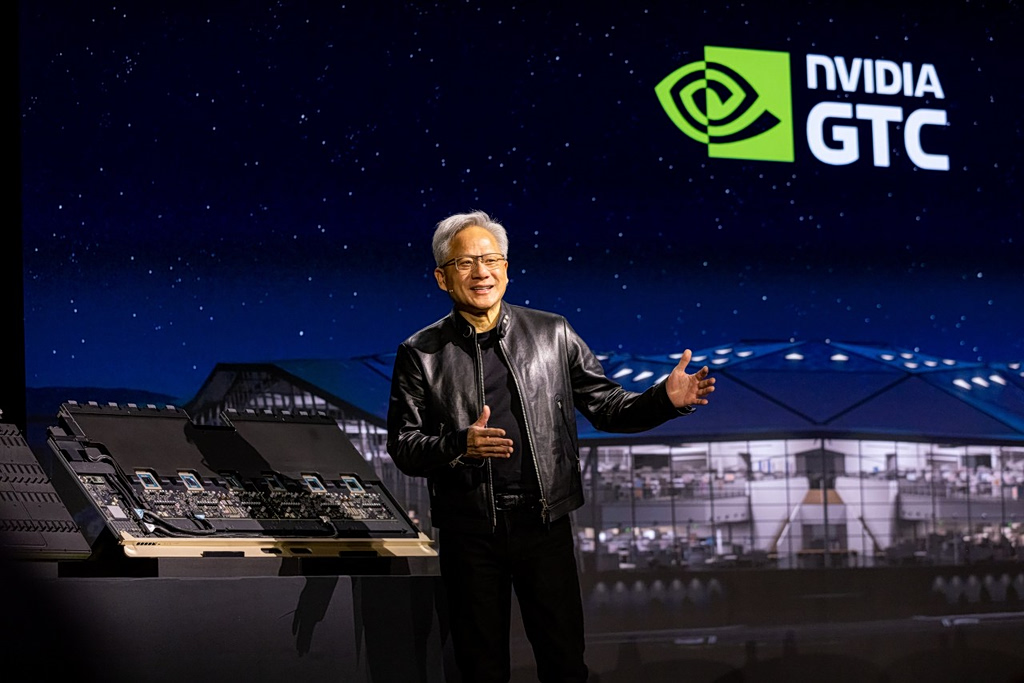
Nvidia, the world’s biggest chip company, develops its own popular open models. Its agreement with the Pentagon covers its Nemotron open-source models, which support AI agents capable of carrying out tasks on their own.
Nvidia Chief Executive Jensen Huang , who has cultivated ties with President Trump , has said he thinks open models are better than closed models in many national-security contexts because their attributes are fully known and they can easily be tailored for specialized use cases. “Safety and security is frankly enhanced with open-source,” he said in a recent conversation with the head of the Special Competitive Studies Project think tank that was posted online.
Leading AI companies in China specialize in open models that they hope to sell to other countries, adding to the importance of developing U.S. alternatives, administration officials said.
Nvidia is an investor in Reflection, which specializes in open-source models and has forged close ties with the Trump administration. Led by former researchers at Google’s DeepMind lab, the company is involved in a deal supported by the government to develop models tailored to people in South Korea and is in talks to raise money from investors at a $25 billion valuation. The company hasn’t yet released any AI models.
“This shared understanding with the Pentagon is a first step in supporting U.S. national security, and sets a precedent for how AI labs could work across the U.S. government—from supporting our servicemembers to our scientists,” a Reflection spokeswoman said.
Anthropic is fighting the administration’s ban on use of its software for defense work in two separate legal cases . The company’s models have been used during the Iran war and the operation to capture then-Venezuelan President Nicolás Maduro earlier this year.
Many of the companies with newly completed agreements have said their Defense Department deals include commitments that their tools wouldn’t be used for mass surveillance or autonomous weapons. The Pentagon has said that it wouldn’t carry out those illegal activities and that companies should trust the military to use AI responsibly.
Write to Amrith Ramkumar at amrith.ramkumar@wsj.com