 Μake us preferred on Google
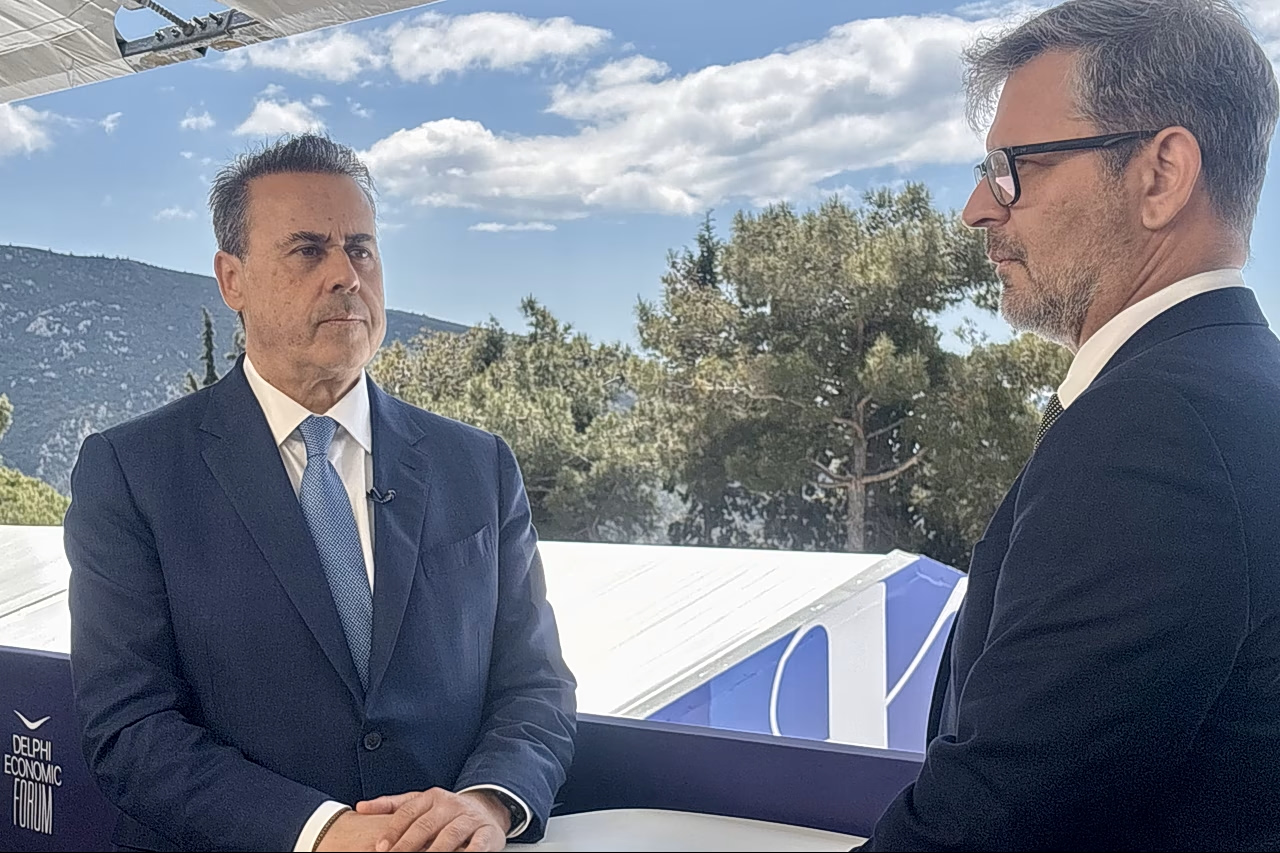
 Greece is cementing its status as a key player in the region’s energy landscape, according to Environment and Energy Minister Stavros Papastavrou, who spoke to the Greek television network Action24 about recent legislative developments and bilateral agreements he said place Greece at the forefront of a new energy architecture in Southeastern Europe.
A New Law, and a Storage Challenge
Papastavrou’s comments came a day after Parliament passed, by majority vote, a wide-ranging energy bill introduced by the Ministry of Environment and Energy. The legislation modernizes Greece’s regulatory framework for renewable energy production and use, transposing three recent EU directives into national law. It also includes provisions on energy market regulation, urban planning, environmental and forestry protection, and the staffing of the ministry and its oversight bodies.
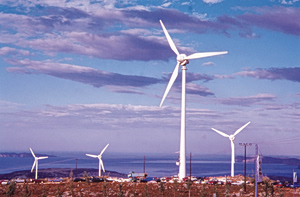
The minister used the occasion to underscore the country’s standing in global renewable energy production. “Greece is third in the world in electricity generated from solar energy and ninth from wind,” he said — figures that reflect years of accelerated investment in renewables, driven in part by Greece’s obligations under EU climate policy.
Despite that progress, Papastavrou identified energy storage as the sector’s most pressing challenge. “We are now running on the issue of storage, which is important for the stability of the system,” he said. The intermittent nature of solar and wind power means that without adequate storage infrastructure, surplus energy can be wasted and supply can become unreliable — a well-documented hurdle for renewable-heavy grids across Europe.
The minister also pointed to Greece’s resilience during recent global market turbulence. Despite renewed tensions in the Middle East in April, electricity prices announced for May remained flat. Papastavrou attributed that stability largely to the country’s high share of renewable energy, which he said insulates Greek consumers from some of the volatility of fossil fuel markets.
The Vertical Energy Corridor
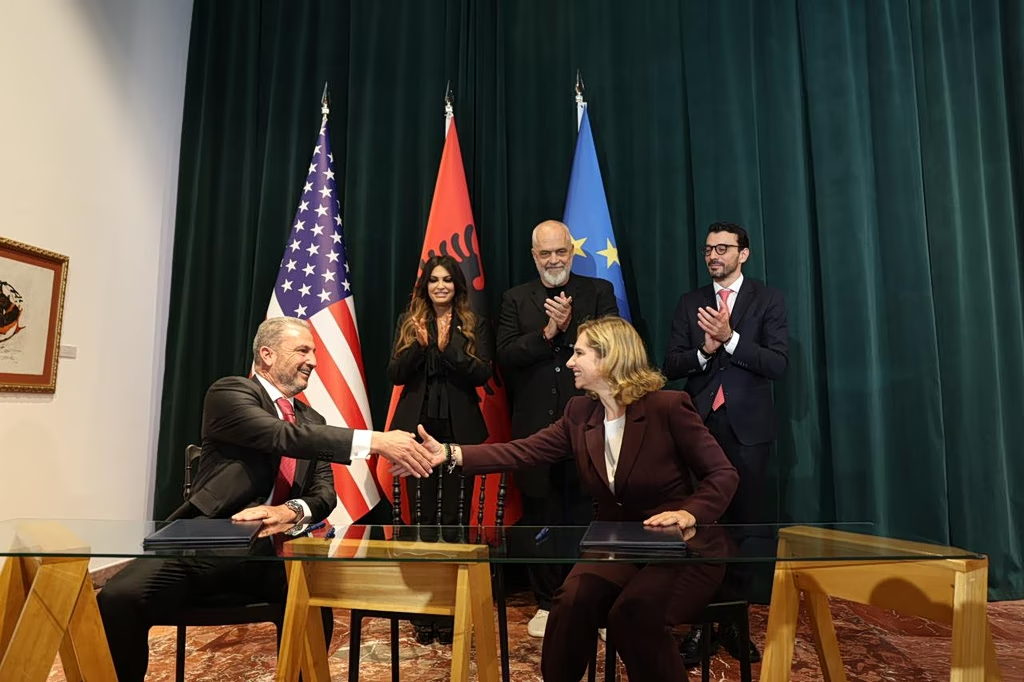
Papastavrou also commented on recently announced long-term energy agreements with Bosnia-Herzegovina and Albania, framing them as steps toward building out the Vertical Corridor. He said the deals create the contractual foundation needed to attract investment in cross-border infrastructure, adding that long-term agreements of this kind are a prerequisite for the corridor to take shape.
Fiscal Room for Future Support
On the broader economic context, Papastavrou noted that Greece is among only five of the European Union’s 27 member states currently running a primary budget surplus — a metric that measures government revenues against expenditures, excluding debt servicing costs. After more than a decade of severe austerity following the 2010 debt crisis, Greece’s return to fiscal surpluses represents a significant turnaround.
The minister said that position gives the government the budgetary flexibility to introduce targeted support measures for citizens should energy costs rise again. “We are one of the few countries that have this ability,” he said.