
 Μake us preferred on Google
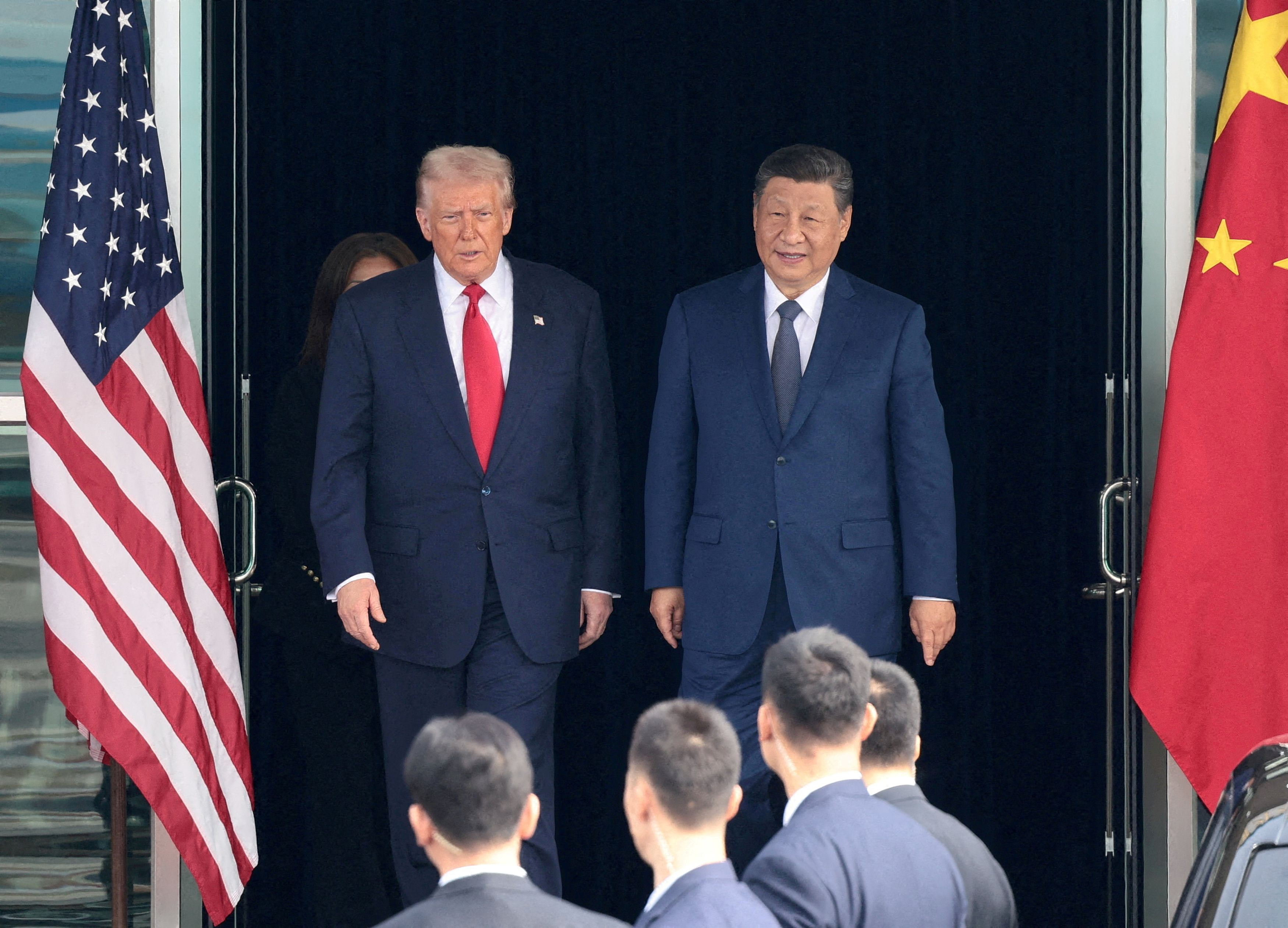
 A planned summit between Donald Trump and Xi Jinping later this month is unlikely to produce a significant reset in business or investment relations, according to people briefed on the preparations.
Officials in both Washington and Beijing are instead focusing on maintaining stability in relations between the world’s two largest economies after a period marked by U.S. tariffs and China’s restrictions on rare earth exports.
The meeting would be the first summit between the two leaders since they agreed to a trade truce in October.
Business and Investment Goals Remain Unclear
Some American companies had hoped Trump’s visit might lead to broader business opportunities, but key elements remain uncertain.
U.S. business leaders have not secured the CEO delegation some had sought to accompany the president. On the Chinese side, there has been no indication Beijing will receive the investment protections it has been seeking for its companies.
One possible outcome under discussion is an agreement for China to purchase around 500 narrow-body aircraft from Boeing, though negotiations are ongoing and may involve requests from Beijing for long-term guarantees on aircraft parts.
Deliveries for such an order would likely extend into the 2030s because of Boeing’s production pace and existing backlog.
Frustration Over Late Planning
Preparations for the summit have also been complicated by Chinese frustration over what officials described as last-minute planning by the Trump administration for a visit that typically requires months of coordination.
“This feels like an ever-shrinking state visit,” said Ryan Hass, director of the John L. Thornton China Center at the Brookings Institution. He said expectations for what the trip could achieve appeared to be shrinking.
Trump is expected to visit China from March 31 to April 2, according to a U.S. official, though Beijing has not yet formally confirmed the trip.
Focus on Stability Rather Than Trade Fights
Despite tensions over tariffs and investment restrictions, U.S. officials have emphasized that the summit is not intended to reignite trade disputes.
Jamieson Greer said the aim of the meeting is to maintain stability and ensure China continues purchasing U.S. agricultural products and aircraft while supplying rare earth minerals needed by American industries.
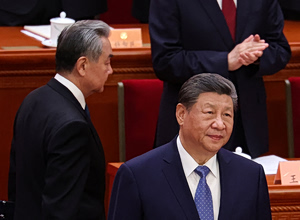
Chinese Foreign Minister Wang Yi said both sides should make thorough preparations to manage existing differences and create a conducive environment for the exchange.