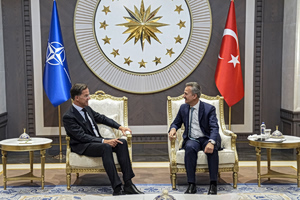
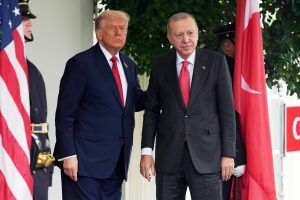
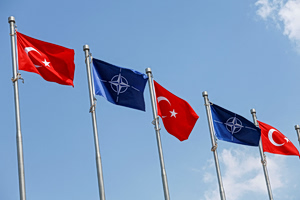
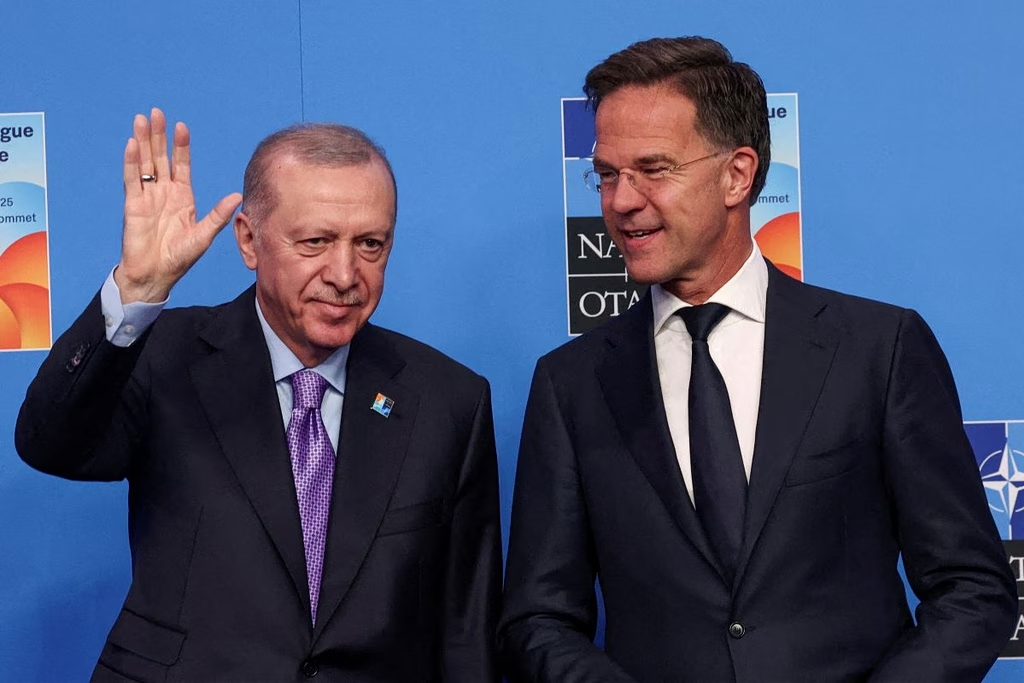
Turkey’s foreign minister, Hakan Fidan, took to X on Tuesday, the opening day of the NATO summit in Ankara, to press the case for his country’s place in Europe’s defense plans, hours before allied leaders were due to touch down in the Turkish capital.
In a lengthy post, Fidan said the alliance stood at a defining moment and that the decisions taken in Ankara would shape the region’s security environment for years to come. Collective defense remained the core of NATO, he wrote, but the strategic landscape was shifting, with threats that move faster and cut across multiple domains. Traditional yardsticks no longer captured that reality. What counted now, he said, was “output”: deployable capability, industrial capacity and operational readiness.
Fidan wrote that a stronger European contribution was essential, but argued that restrictions on defense-industrial cooperation were undermining efficiency and slowing the alliance’s response. Those constraints, in his words, had “become strategic liabilities,” and European defense initiatives “must remain fully inclusive of all NATO Allies.”
The stage is set in Ankara.
Under President Erdoğan’s leadership, Türkiye stands ready to welcome NATO members at a moment that will define the Alliance’s future.
The decisions taken in Ankara will not merely address immediate challenges — they will shape the Euro‑Atlantic… pic.twitter.com/YjAXXW2pD2
— Hakan Fidan (@HakanFidan) July 7, 2026
Despite refraining from naming Greece or Cyprus in particular, Fidan’s intervention points to a broader aim: to capitalize on hosting the summit in Ankara, sending the message that Turkey is too large and too necessary to be constrained by European and Greek objections, and that the future of security in the region will run through terms Turkey itself sets.
The Turkish Foreign Minister closed on a warmer note, writing that under President Recep Tayyip Erdogan’s leadership Turkey was ready to welcome NATO members, and that the Ankara summit would help the alliance align its structures with the world it now faces. Turkey’s objective, he said, was a “more coherent, more capable, and more resilient” alliance.