 Μake us preferred on Google
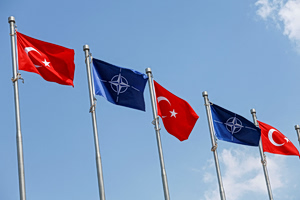
 NATO leaders will convene in Ankara on Tuesday and Wednesday for a summit expected to focus on defense spending, military production and continued support for Ukraine, against a backdrop of growing uncertainty over transatlantic security.
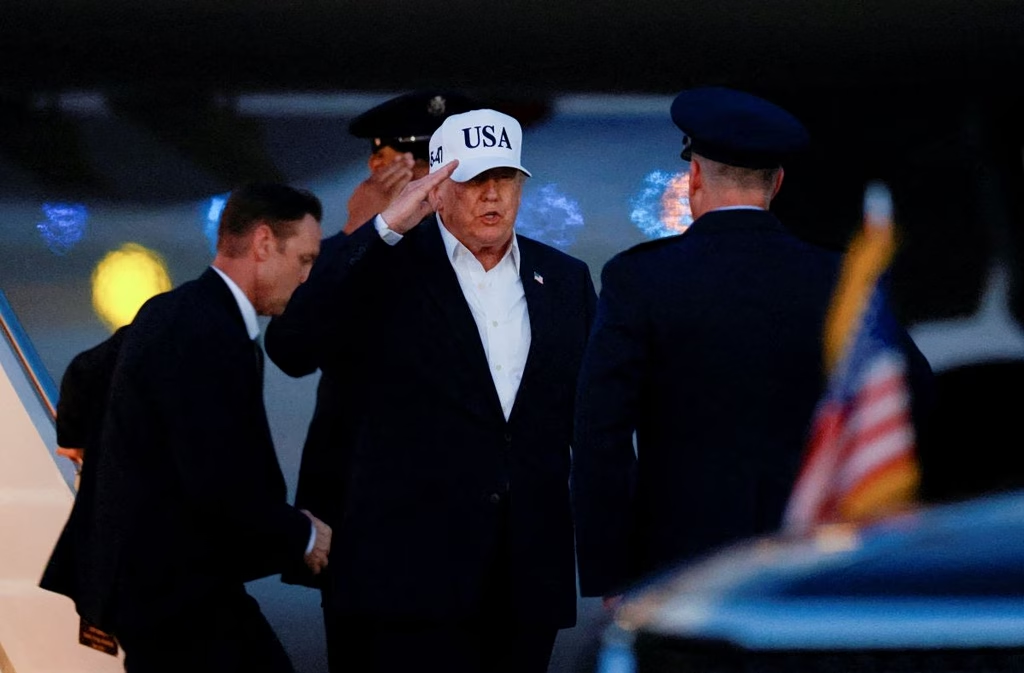
The meeting comes amid pressure from U.S. President Donald Trump for European allies to assume greater responsibility for the continent’s defense. Trump’s repeated criticism of NATO, announced troop withdrawals from Europe and a six-month review of the U.S. military presence on the continent have heightened concerns within the alliance.
Leaders from all 32 NATO member states are expected to attend the summit. Ukrainian President Volodymyr Zelenskiy, South Korean President Lee Jae Myung, European Council President Antonio Costa and European Commission President Ursula von der Leyen are also expected to join NATO leaders for a dinner on Tuesday evening.
A central topic will be progress towards the alliance’s defense spending commitments. European leaders are expected to demonstrate that they are on track to meet the pledge made at last year’s summit in The Hague to allocate 5% of gross domestic product to defense and defense-related measures by 2035.
According to a draft summit declaration seen by Reuters, leaders are expected to highlight that European allies and Canada increased investment in core defense requirements by more than $139 billion in 2025. They are also set to reaffirm their commitment to building “a stronger Europe in a stronger NATO” while taking on greater responsibility for the alliance’s collective defense alongside the United States.
Support for Ukraine is also expected to feature prominently. NATO members are set to pledge €70 billion in military equipment, assistance and training for Ukraine in 2026, while committing to maintain at least the same level of support in 2027. Part of the funding will come from existing bilateral commitments and an EU loan facility providing €60 billion for Ukrainian defense investment and procurement over 2026 and 2027. The United States is not expected to contribute financially.
Another major objective of the summit is strengthening NATO’s defense industrial base. Alliance officials want this year’s meeting to shift attention from spending commitments to expanding weapons production and accelerating defense innovation. A defense industry forum scheduled for Tuesday is expected to produce agreements worth tens of billions of dollars.
The war involving Iran is also expected to shape discussions. European officials are concerned the conflict, as well as Trump’s criticism of European governments’ response to it, could overshadow the summit. Leaders are expected to reiterate that Iran must never acquire a nuclear weapon and call on Tehran to fully respect freedom of navigation in the Strait of Hormuz.
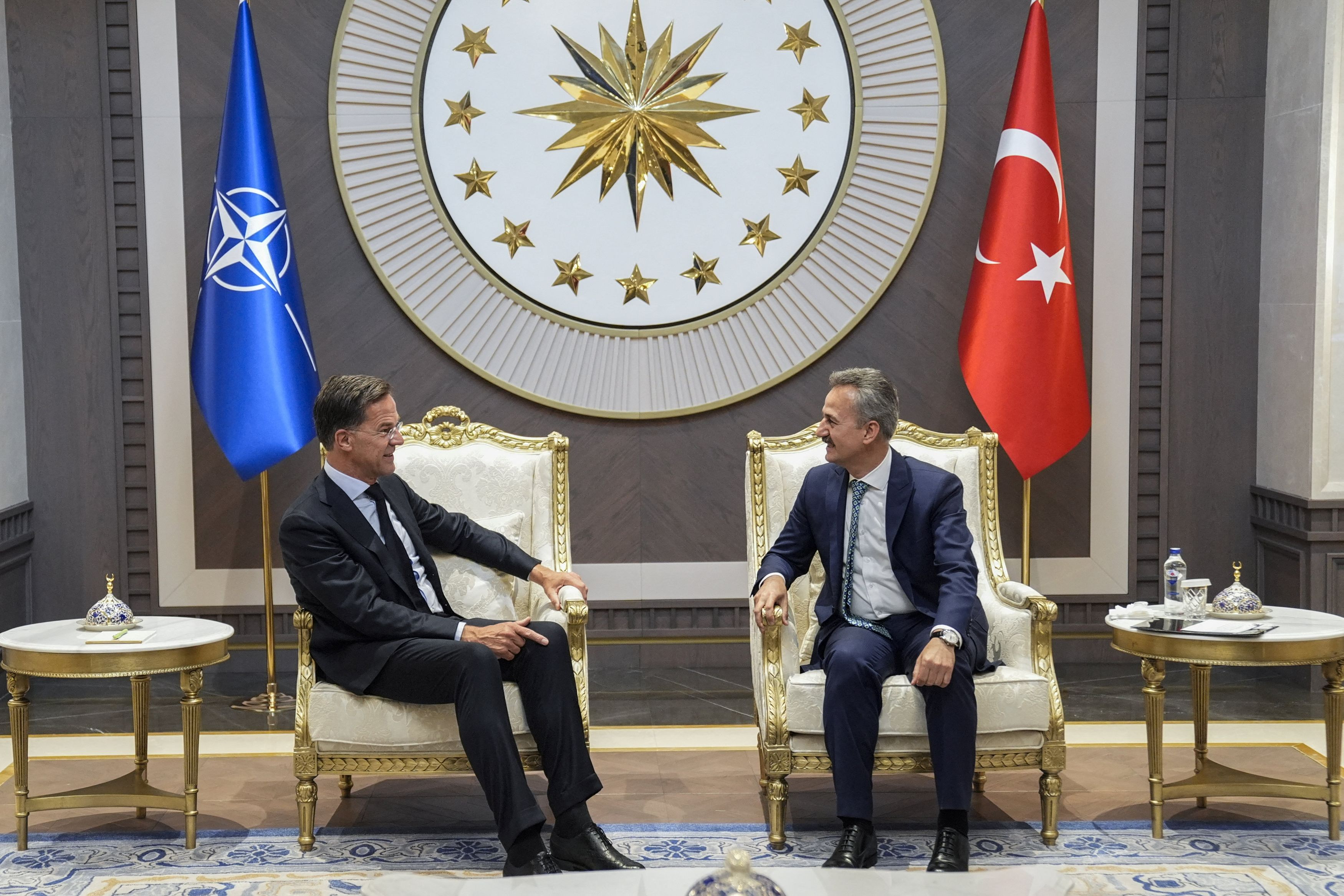
As host nation, Turkey is expected to use the summit to showcase its growing defense industry and renew its call for the removal of restrictions on defense trade among NATO allies. President Tayyip Erdogan is also expected to seek progress in discussions with partners including France and Italy on the acquisition of SAMP/T missile defense systems and broader defense industry cooperation.
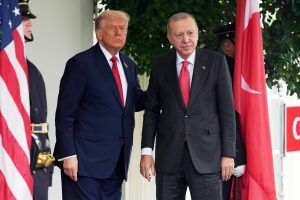
During bilateral talks with Trump, Erdogan is expected to emphasize improving relations between Ankara and Washington while pressing for the removal of U.S. sanctions and renewed Turkish access to the F-35 fighter jet program.
Alongside the leaders’ meeting, NATO foreign ministers are expected to hold talks with counterparts from Bahrain, Kuwait, Qatar and the United Arab Emirates, as well as a dinner with Ukraine’s foreign minister and European Union foreign policy chief Kaja Kallas. NATO defense ministers are also scheduled to meet ministers from Australia, Japan, New Zealand and South Korea.