 Μake us preferred on Google
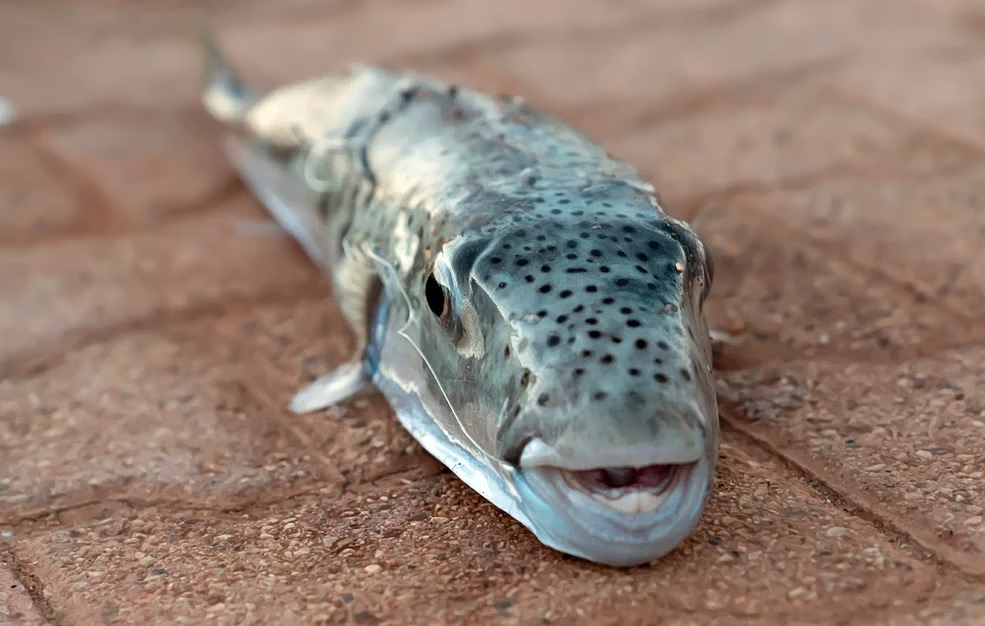
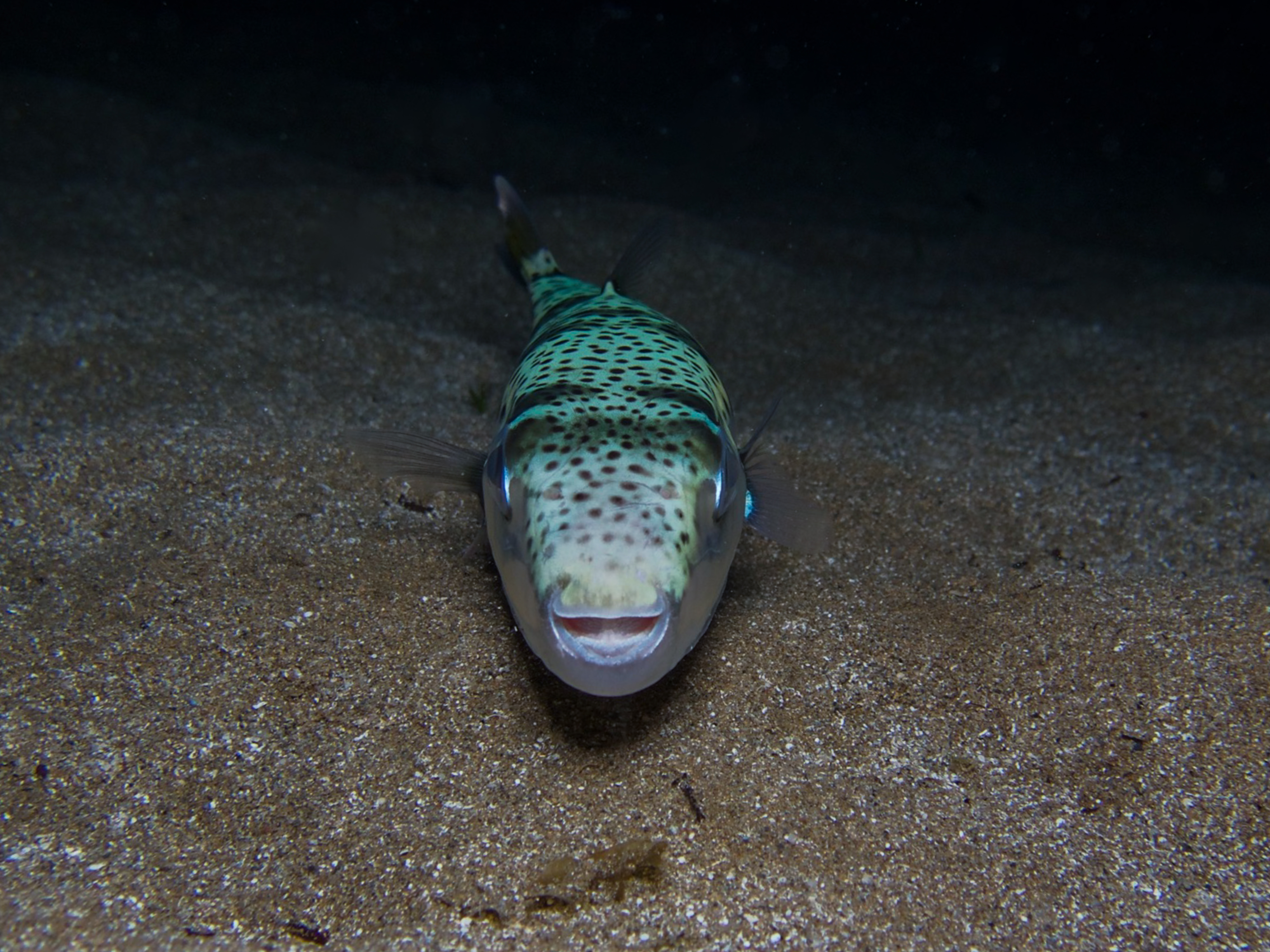
 A beach on the Greek island of Evia has become the first in Greece to install a floating safety barrier designed to keep swimmers away from the invasive silver-cheeked toadfish, or Lagocephalus sceleratus, a species whose spread across the Mediterranean has been linked to warming seas.
The barrier, stretching across a bay in the Gulf of Evia known as Chalkida is intended to provide an added layer of protection for bathers while also helping keep jellyfish away from popular swimming areas, according to a report by The Guardian.
The measure follows growing public concern after the Hellenic Red Cross issued a public warning in June advising people to seek immediate medical attention if bitten by the fish. Although attacks on swimmers remain extremely rare, the species has exceptionally powerful beak-like jaws capable of causing severe injuries. More importantly, it contains tetrodotoxin, one of the world’s most potent neurotoxins, making it highly dangerous if consumed. There is no known antidote.
A response to a changing Mediterranean
Speaking to The Guardian, Chalkida Deputy Mayor Antonis Spanos said the municipality chose a precautionary approach.
“Our duty and primary concern has to be the safety of our citizens,” he said. “It’s better to be safe than sorry.”
Municipal authorities reportedly spent months securing funding and approvals before installing the barrier, which has been certified by Greece’s General State Laboratory. Around 2.5 kilometers of floating barriers are expected to be deployed around bays in the Gulf of Evia, with neighboring municipalities also adopting the system. Approximately 7 kilometers of additional barriers are expected to be installed in the coming weeks.