
The prospects of a diplomatic deal ending the war between the U.S. and Iran look dim right now. But Middle East veterans say there is a pathway for an agreement if the two sides want to engage.
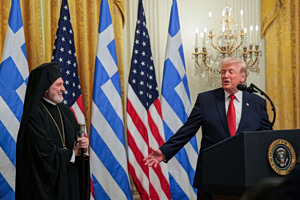
Mediators from Turkey, Egypt and Pakistan are pushing for a meeting between U.S. and Iranian officials as soon as this week. President Trump and his political allies have expressed enthusiasm for talks.
While Foreign Minister Abbas Araghchi said Wednesday evening that Iran has no intention of negotiating, Arab mediators said Tehran has been more open in private and is listening as they try to craft terms that would at least allow the two sides to meet.
Any talks are likely to be fraught. In a sign of the difficulties, the U.S. and Israel removed Araghchi and Mohammad-Bagher Ghalibaf , Iran’s combative speaker of the parliament , from kill lists for four to five days so they could participate if talks go ahead, U.S. officials said.
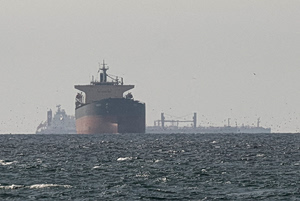
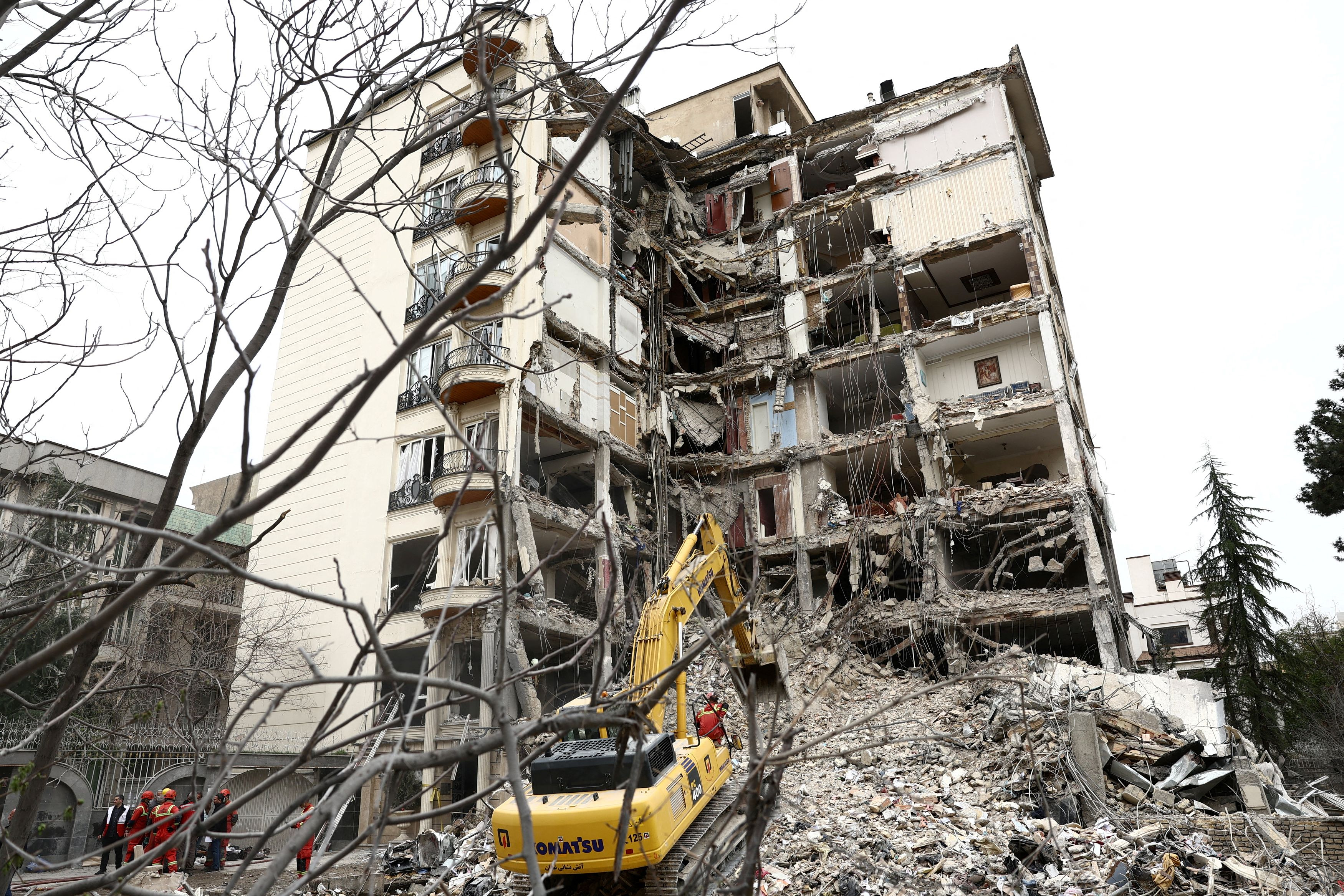
Both sides are presenting demands that go well beyond what was on the table before the war. Iran now wants the U.S. to pay compensation for war damages and close its regional bases, both nonstarters. It also wants international shippers to pay for the right to cross the Strait of Hormuz, where a fifth of the world’s oil transits.
The U.S. wants Iran to give up enriching uranium, something Tehran has always refused. It wants the return of free transit for shipping in the Strait, as well as curbs on Tehran’s missile programs and its support for militias in the region, issues Iran has previously refused to negotiate with Washington.
The threat of escalation also looms. Trump has ordered U.S. ground troops to the region. Ghalibaf, meanwhile, warned Wednesday that Iran had detected plans to invade one of its islands and threatened to destroy the vital infrastructure of any Arab country that helps.
Yet through all that there remains a narrow path for a deal, analysts and former officials said. If both sides decide the costs of the war are becoming unbearable, they could cut an agreement that stops the fighting while deferring decisions on the toughest issues.
“It is possible that the U.S. will continue to insist” that it must achieve all its goals, “but it is also possible that a more minimalist cease-fire could precede a follow-on negotiation that addresses that fuller agenda,” said Michael Singh , a former U.S. National Security Council director for the Middle East now at the Washington Institute.
One route to a cease-fire deal would be to return to some of the ideas the two sides floated in negotiations in February. Those included pausing Iranian enrichment of uranium for several years and forging a regional nonaggression pact in return for sanctions relief that could be phased in as Iran frees up the Strait of Hormuz.
That would leave huge issues still on the table. The U.S. has said Iran’s stockpile of near-weapons-grade uranium needs to be dealt with as part of a cease-fire deal, yet Tehran may want to keep the material in its hands as leverage. The issue of inspections, Iran’s future enrichment rights and the lifting of remaining sanctions would all need to be handled at a later stage.
“It is very difficult to determine the position of the current Iranian leadership,” said Raz Zimmt , director of the Iran program at Israel’s Institute for National Security Studies. “What is clear is that Iran is interested in a cease-fire, but not at any cost.”
He said at a minimum Tehran would want guarantees of no further U.S. or Israeli attacks. “Ultimately, however, it depends mainly on Trump and whether he is willing to cease fire in exchange for an Iranian agreement to reopen the strait,” Zimmt said.
Washington and Tehran have a history of making negotiations happen in the face of seemingly incompatible demands by quietly shelving some of the most contentious points.
The 2015 nuclear deal negotiated under Barack Obama ’s administration built in the time delay by restricting Iran’s ability to enrich uranium for 15 years and imposing 25-year limits on other restrictions. It permitted Tehran to continue enriching uranium, a position that for many years Washington had vehemently opposed, and contained none of the strict constraints on Iran’s missile program that U.S. officials had pledged to deliver.
Iran for years demanded compensation for Trump’s later decision to abandon the 2015 deal, but set that requirement aside after Joe Biden ’s administration opened talks in 2021 to revive the accord. Tehran also kept out of the talks its longstanding demand that Trump face trial for ordering the killing of Qassem Soleimani , Iran’s most powerful military official.
The talks ultimately failed, though punting those unworkable demands had allowed them to proceed.
Daniel Shapiro , a former U.S. ambassador to Israel and distinguished fellow at the Atlantic Council, said the U.S. faces significant pressure from Saudi Arabia and the United Arab Emirates to finish the job of destroying Iran’s military threat now that the war has produced a new cadre of hard-line Iranian leaders seeking revenge.
But Washington may need to accept, weeks into the war, that it cannot force Tehran’s surrender, Shapiro said. “It’s certainly plausible that there is a deal in which each side gets parts of its demands met,” he said.
A deal could aim to stop the fighting and reopen the Strait of Hormuz, he said. Issues like arrangements for Iran to dispose of its nuclear materials could be negotiated later. Others, like Iran’s future missile program and support for regional militias, might remain open indefinitely. In return, Iran would only get partial sanctions relief.
That might bring peace, though it would be fragile.
“Wars tend to end messy,” Shapiro said. “If the pain is sufficient that you just want it to end, you can end with a mushy partial arrangement.”