The U.S. and Israel launched an attack on Iran on Saturday, bringing war to the country for the second time in eight months and risking a wider regional conflict in one of the most economically sensitive parts of the world.Defense Minister Israel Katz announced the Israeli strike and declared an immediate state of emergency in all areas of Israel. The U.S. participated in the attack and was also carrying out strikes, a U.S. official said.
The attack was preceded by a monthlong U.S. military buildup that followed President Trump’s pledge to come to the aid of protesters who rocked the regime at the beginning of January. The president repeatedly warned Iran it could face military action if it failed to give up its nuclear program. Vice President JD Vance said Feb. 17 that Tehran’s offers in two rounds of negotiations had fallen short of U.S. demands.
Iran’s top officials have warned the country would retaliate against any attack and that even the smallest strike could trigger a regionwide war. The country had steeled itself for a conflict, mobilizing its forces, hardening its nuclear facilities, dispersing decisionmaking authority and cracking down on internal dissent.
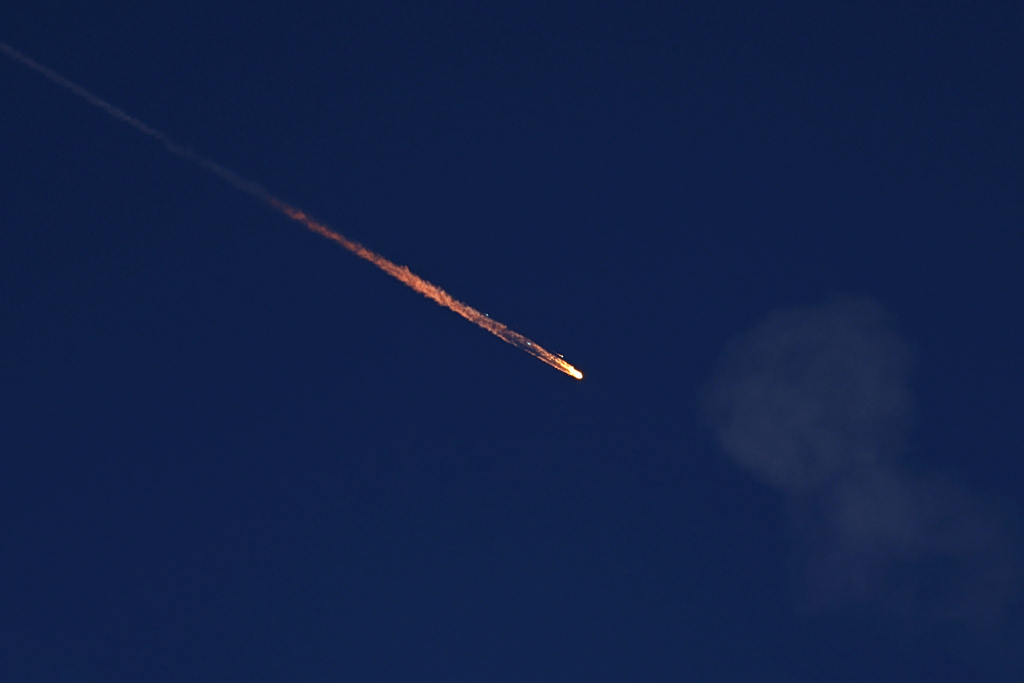
FILE PHOTO: A fragment falls through the sky after Israel’s Iron Dome intercepted a missile launched from Iran towards Israel, amid the Iran-Israel conflict, as seen from Ashkelon, Israel June 20, 2025. REUTERS/Amir Cohen/File Photo
Israeli authorities closed the country’s airspace amid the attack by the U.S. and Israel on Iran. The move came as Israel put the country on heightened alert and banned nonessential public activity as it braced for an Iranian response.The Civil Aviation Authority told travelers not to go to the airport. It said it would give 24 hours’ notice before resuming flights.
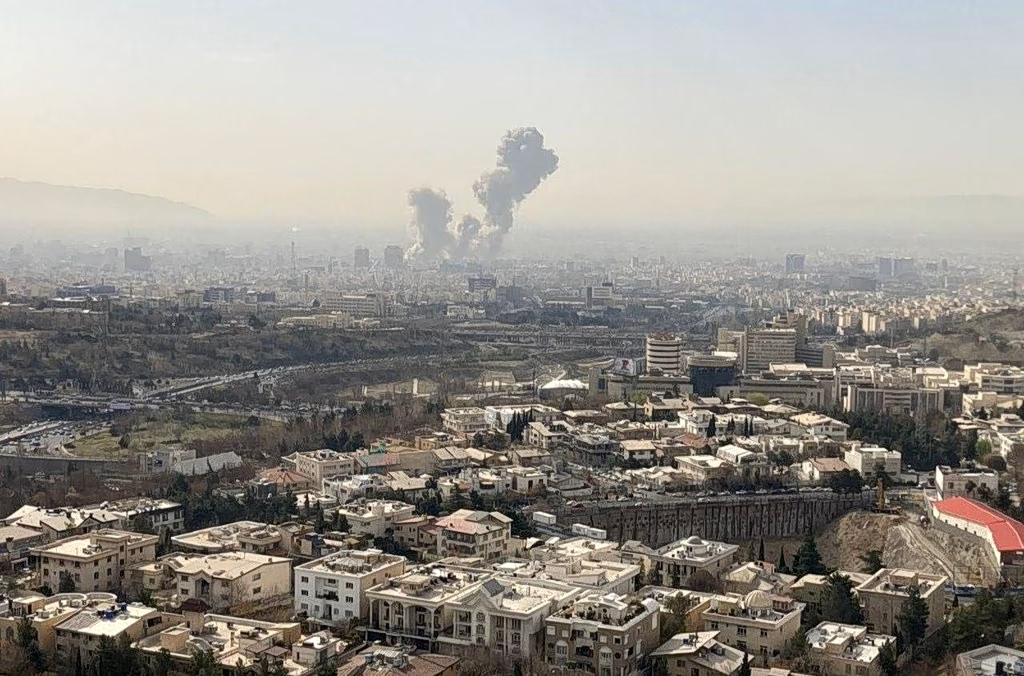
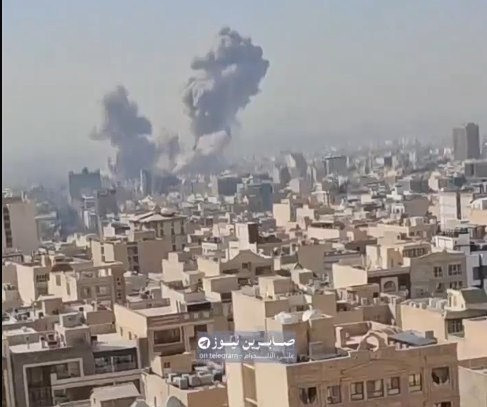
Iranian state media reported explosions in Tehran on Saturday morning, after the U.S. and Israel launched an attack.
The strikes targeted military assets to blunt Iran’s ability to respond, symbols of the regime and intelligence targets, a person familiar with the matter said. The attack was continuing midmorning local time.
U.S. allies in the Gulf, many of which host American military bases and could be vulnerable to Iranian retaliatory strikes, had urged against military action and scrambled to craft a diplomatic solution but fell short.
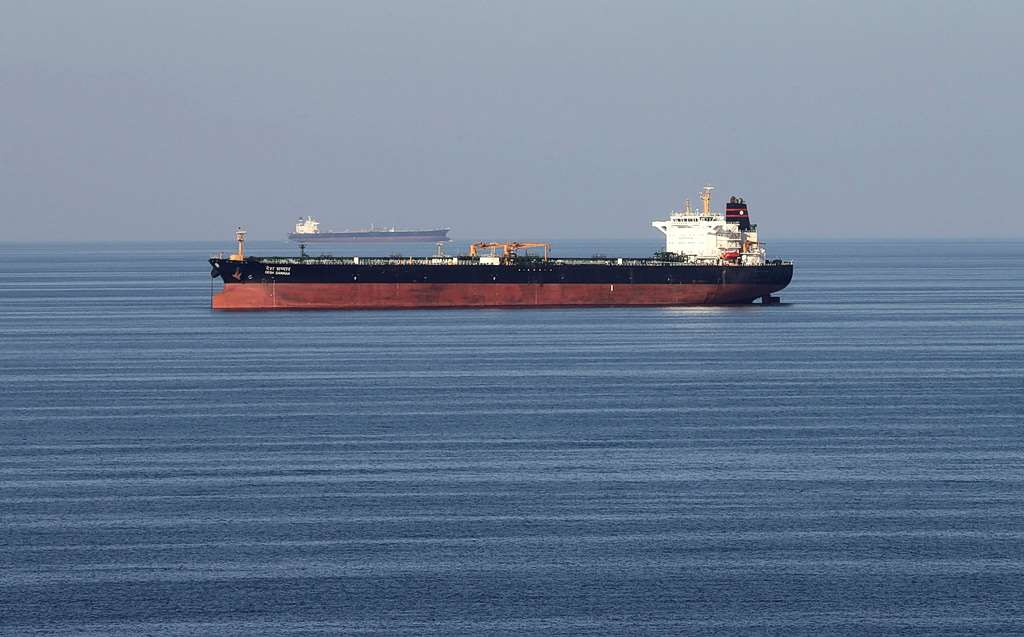
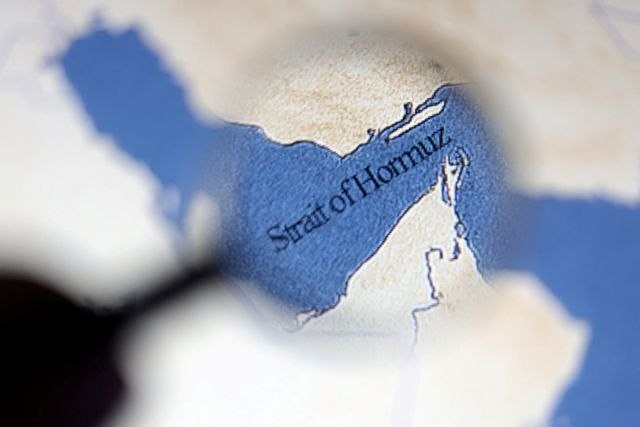
The new outbreak of war in the region could have substantial economic implications. Iran sits along the Strait of Hormuz, a key waterway through which about a fifth of the world’s oil supplies pass, and is just across the Persian Gulf from important Saudi oilfields and the international commercial hub of Dubai.
Iranian state media reported explosions in Tehran on Saturday morning, after the U.S. and Israel launched an attack.The strikes targeted military assets to blunt Iran’s ability to respond, symbols of the regime and intelligence targets, a person familiar with the matter said. The attack was continuing midmorning local time.
Strait of Hormuz
U.S. allies in the Gulf, many of which host American military bases and could be vulnerable to Iranian retaliatory strikes, had urged against military action and scrambled to craft a diplomatic solution but fell short.
The new outbreak of war in the region could have substantial economic implications. Iran sits along the Strait of Hormuz, a key waterway through which about a fifth of the world’s oil supplies pass, and is just across the Persian Gulf from important Saudi oilfields and the international commercial hub of Dubai.
Strike in Lebanon
The Israeli military said it struck targets belonging to the militant group Hezbollah in several areas of southern Lebanon on Saturday.