How many ships have passed through?
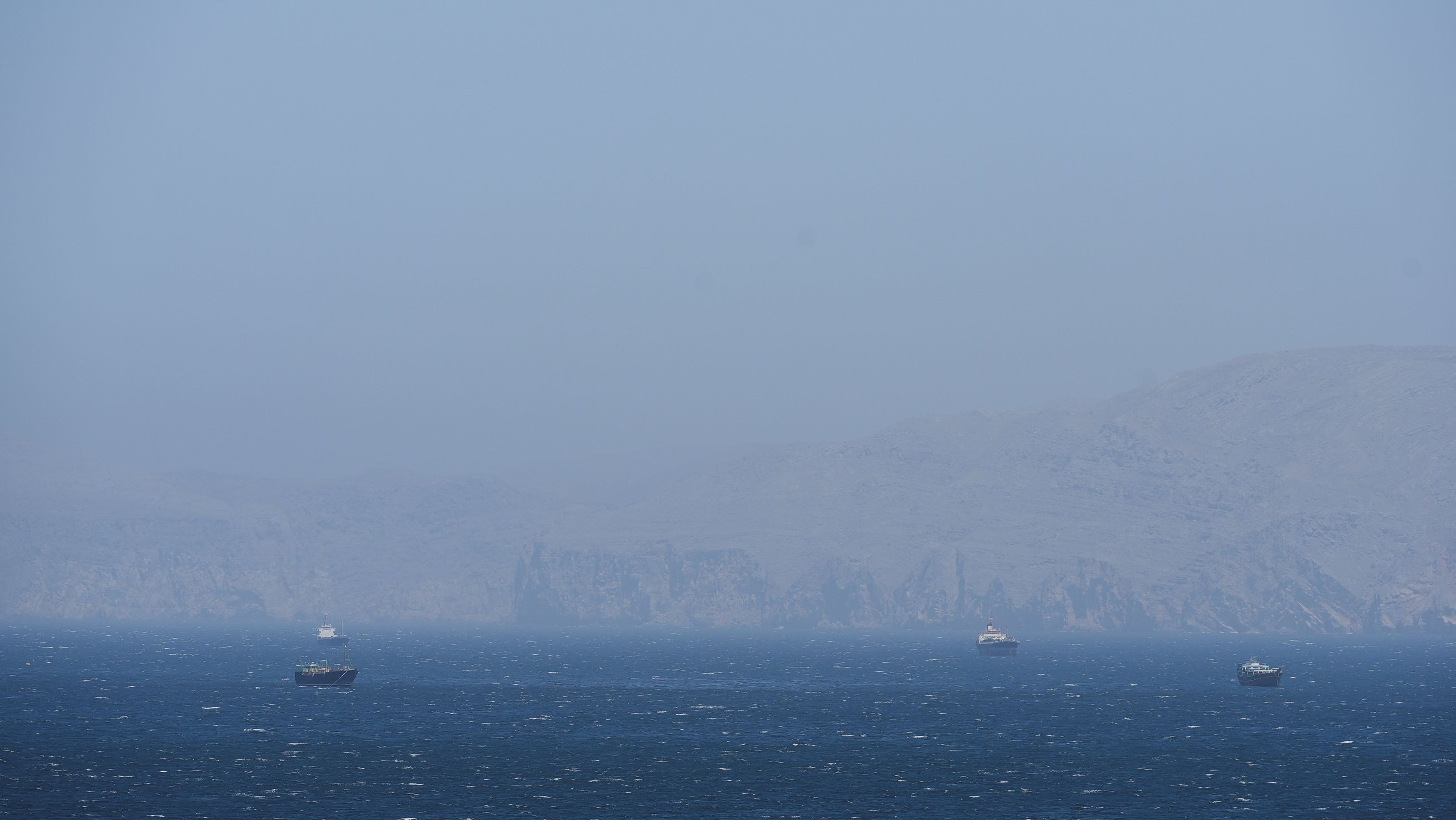
Two vessels crossed the strait in the first hours after the temporary deal was announced Tuesday night, data from ship tracker MarineTraffic shows. Brokers say dozens more are set to move in or out of the Persian Gulf in the coming days—if the cease-fire holds. For now, the traffic remains a trickle, much like it has been for more than a month of war.
The bottleneck of ships waiting to move through the vital waterway include more than 425 oil and fuel tankers and nearly 20 vessels carrying liquefied natural gas. The deal to halt hostilities doesn’t mean the shipping lane will fully return to normal in the short term. The Iranian Navy has told ships anchored near the strait that they will need Iran’s permission to cross.
Who controls the strait at this point?
Iran says it does. Iranian Foreign Minister Abbas Araghchi said on X that any movement through the strait would have to occur in coordination with Iranian Armed Forces, giving the country the power to speed up or slow down passage, depending on the progress of negotiations to finalize peace with the U.S. and Israel.
“If any vessel tries to transit without permission, [they] will be destroyed,” the Navy told ships on Wednesday, according to a marine radio recording shared with The Wall Street Journal by a vessel crew member.
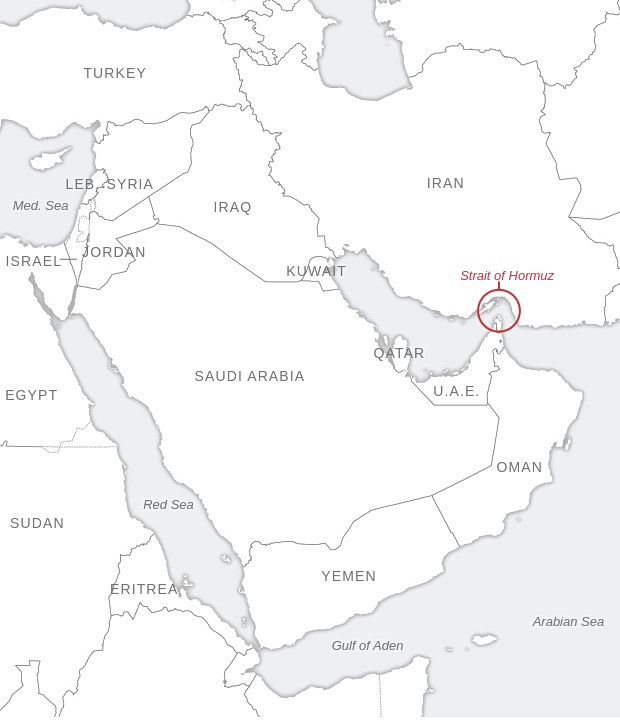
But Iran owns only one shore of the strait—with Oman’s Musandam exclave sitting on the other. Maritime experts have said there is no legal argument for why Iran would be able to regulate commercial shipping on Oman’s side of the maritime boundary.
WSJ
How will the ‘Tehran toll booth’ work?
Iran is also charging tolls of $1 million or more for each ship to pass through the strait. The maneuver has come to be known in the shipping world as the “Tehran Toll Booth.”
For several weeks, as more than 1,000 ships have been stranded in limbo and unable to pass through the strait, a few have managed to slip through by paying Iran a toll.
So far roughly 250 ships have used that tollbooth system, most of them Iranian or dark fleet vessels moving supplies to Iran, according to people familiar with the sailings. At least 35 big ships operated by Chinese, Greek, Pakistani and French owners have paid to cross, said people familiar with the sailings.
Ships that pay the toll sail a transit corridor between Iran’s Qeshm and Larak Islands, which are to the north of the regular shipping channel through the middle of the strait. The vessels then hug the Iranian coast before heading into the wider waters of the Gulf of Oman.
Cease-fire mediators say the current status quo is unlikely to change, despite Iran’s promise to allow “safe passage” through the strait.
Is it safe to cross the strait?
Time will tell if the strait can operate safely, though stranded crew members and the owners of vessels that have been in limbo are eager to get moving.
At least 1,000 ships remain stuck in the Persian Gulf, maritime insurers said. But even when those vessels sail, insurers say they don’t expect shipping volumes to quickly snap back to peacetime levels.
“It is highly unlikely that trade into the Gulf will simply resume,” said Neil Roberts, head of marine and aviation at Lloyd’s Market Association, which represents Lloyd’s underwriters of ships’ insurance. “The region remains at heightened risk with none of the underlying tensions resolved.”
Was the strait open before the war?
Yes.
Why is the strait so important?
The narrow waterway connects the Persian Gulf to global markets. Roughly 20% of the world’s oil supply typically squeezes through the bottleneck during peacetime, pumped from Kuwait, Iraq and Saudi Arabia, among others.
More than 80% of the oil and liquefied natural gas that transits the strait goes to Asian markets, primarily China, India and Japan.
Other important products such as jet fuel and fertilizer also come through the strait, key products for the travel industry and food supplies.