 Μake us preferred on Google
 A new study published in Communications Earth & Environment finds that Europe’s rainfall patterns are increasingly diverging, with major implications for the Mediterranean region and countries like Greece.
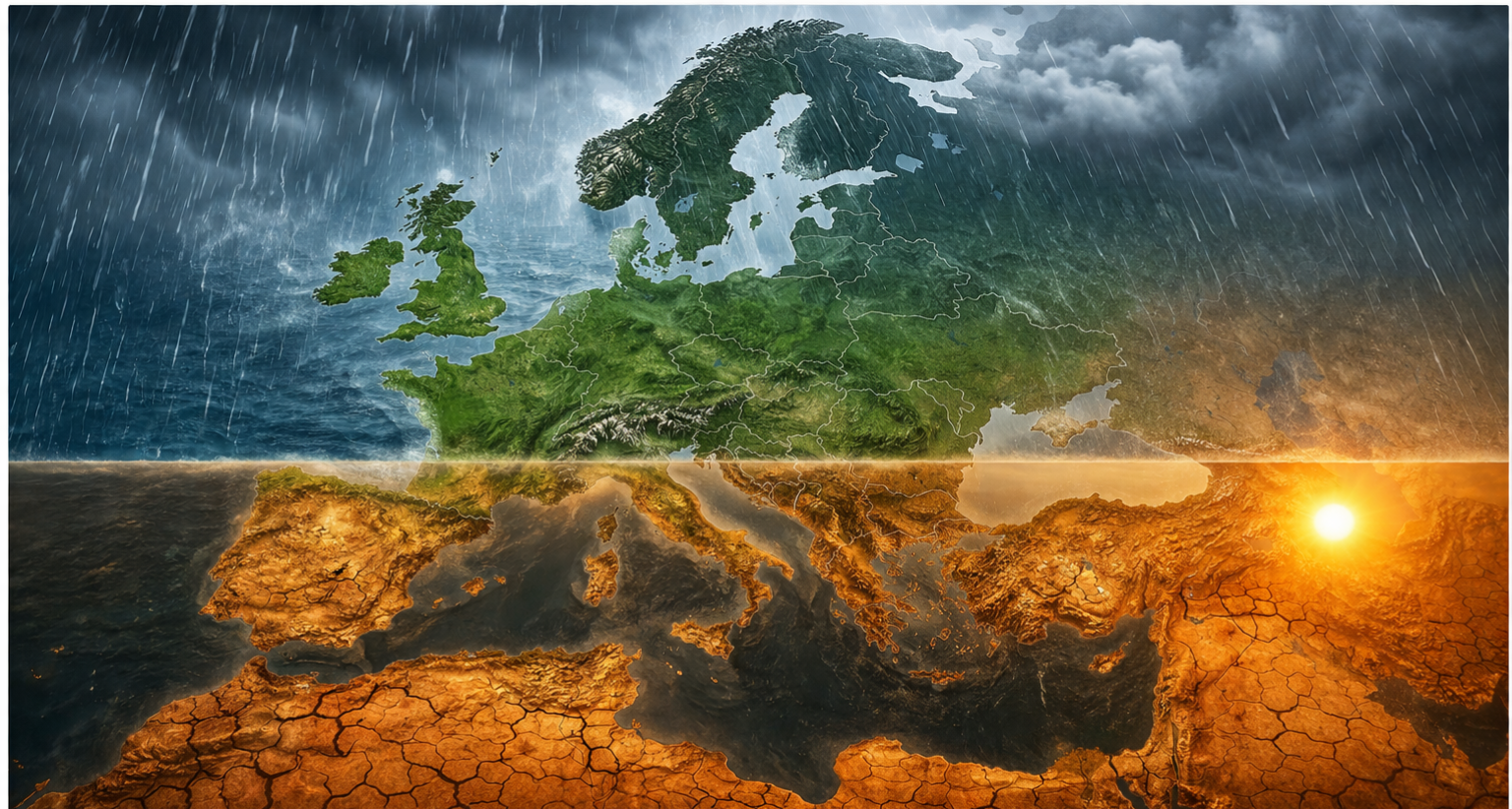
The research shows that climate change is not affecting precipitation evenly across the continent. Instead, Europe is experiencing a growing split: northern regions are becoming wetter, while southern areas, including the Mediterranean basin, are becoming drier and more variable.
Using climate models and observational data, the study identifies distinct “regimes” of rainfall change. In northern and central Europe, precipitation is projected to increase, particularly in winter months. By contrast, southern Europe is expected to face declining rainfall totals, more frequent droughts, and sharper variability between wet and dry periods.
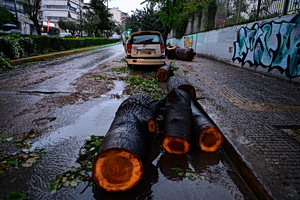
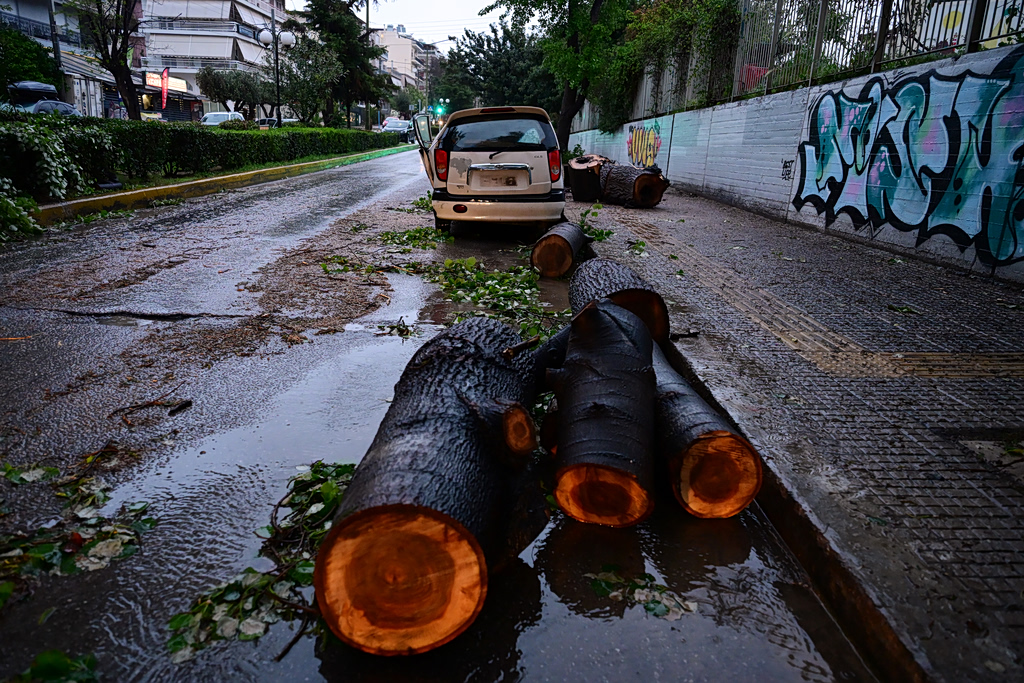
For the Mediterranean, this shift means that rainfall is not only decreasing overall but also becoming less predictable. The study highlights an increased likelihood of prolonged dry spells interrupted by short, intense rainfall events, which can heighten the risk of both drought and flooding.
This emerging pattern reflects broader changes in atmospheric circulation linked to global warming. As temperatures rise, the distribution of moisture and storm tracks across Europe is shifting, reinforcing the contrast between wetter and drier regions.
The findings have significant implications for water resources, agriculture, and infrastructure in southern Europe. Reduced and less reliable rainfall could place pressure on crops and water supplies, while sudden heavy rainfall events may strain flood defenses and urban drainage systems.
For Mediterranean countries such as Greece, the study suggests that adaptation strategies will need to address both water scarcity and extreme rainfall risks simultaneously. This dual challenge underscores the complexity of climate impacts in the region.
As the research concludes, understanding these regional differences in rainfall change is essential for planning and resilience, particularly in areas already vulnerable to climate variability.