 Μake us preferred on Google
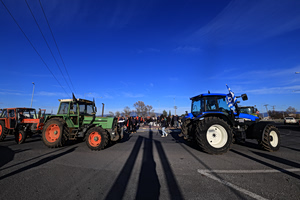
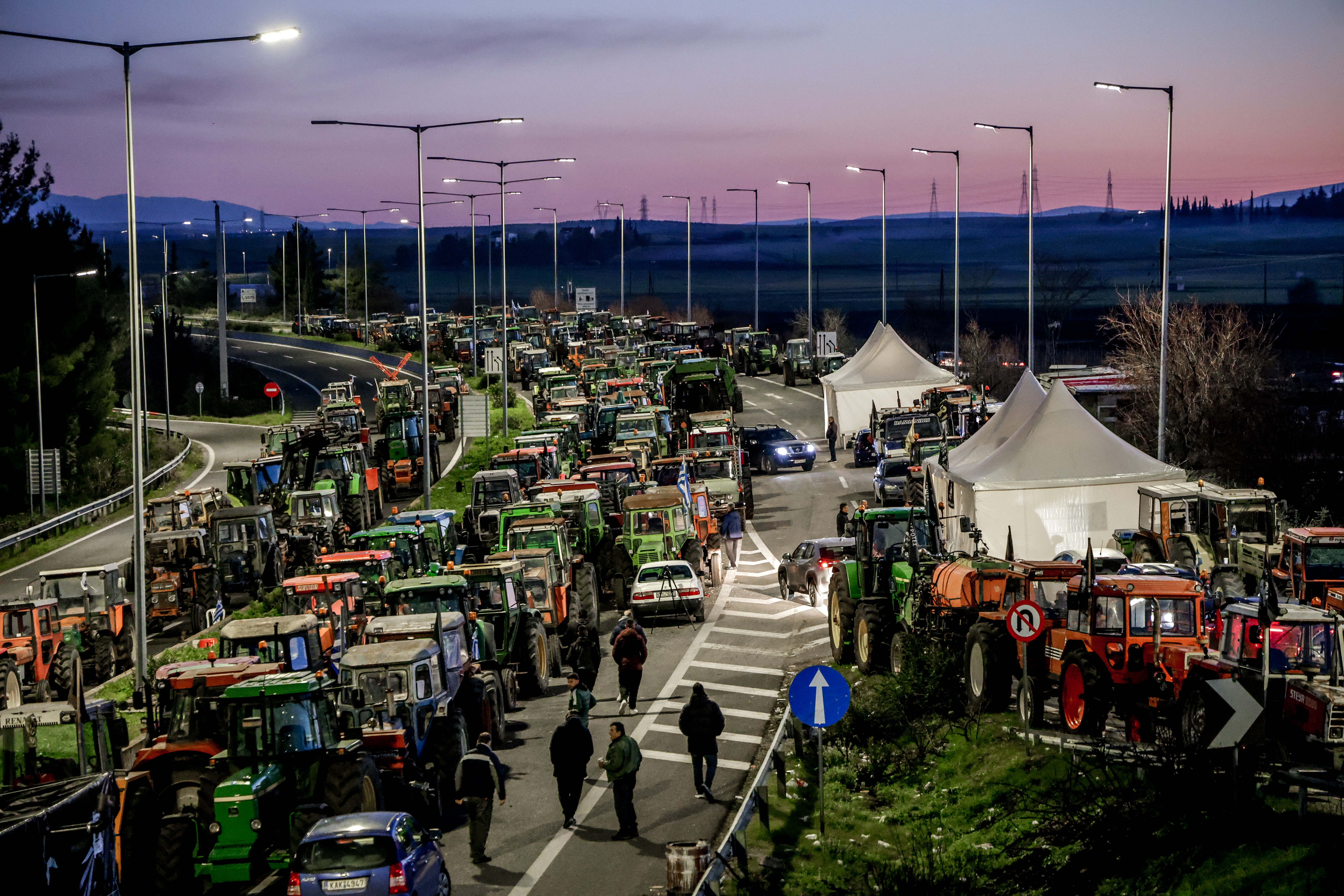
 From Brussels to Athens, Europe’s agricultural model is under strain. EU-wide farmer protests, renewed tensions over the EU-Mercosur trade agreement, and a growing backlash against environmental conditionalities have exposed a sector caught between economic pressure and ecological limits. Greece is no exception. As negotiations between the government and farmers once again focus on fuel costs, energy prices, and compensation, deeper questions about water scarcity, soil degradation, and long-term resilience remain largely off the table.
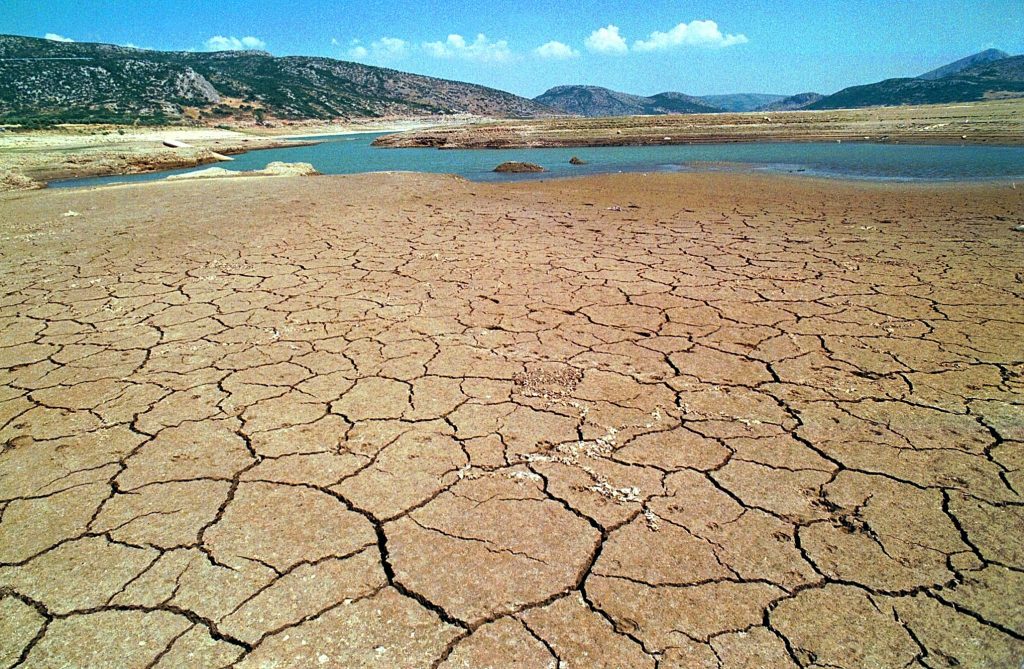
These blind spots are becoming harder to ignore. In the European Union, agriculture is the largest withdrawer of freshwater, with the sector accounting for roughly 58 % of total freshwater abstraction. Meanwhile, in parts of Southern Europe, including Greece, irrigation can make up nearly 80 % of agricultural water use, underscoring how dependent farming remains on water in an already drought-prone region. At the same time, climate change is accelerating heat stress, rainfall variability, and soil erosion across the Mediterranean, which are conditions that undermine productivity regardless of subsidy levels.
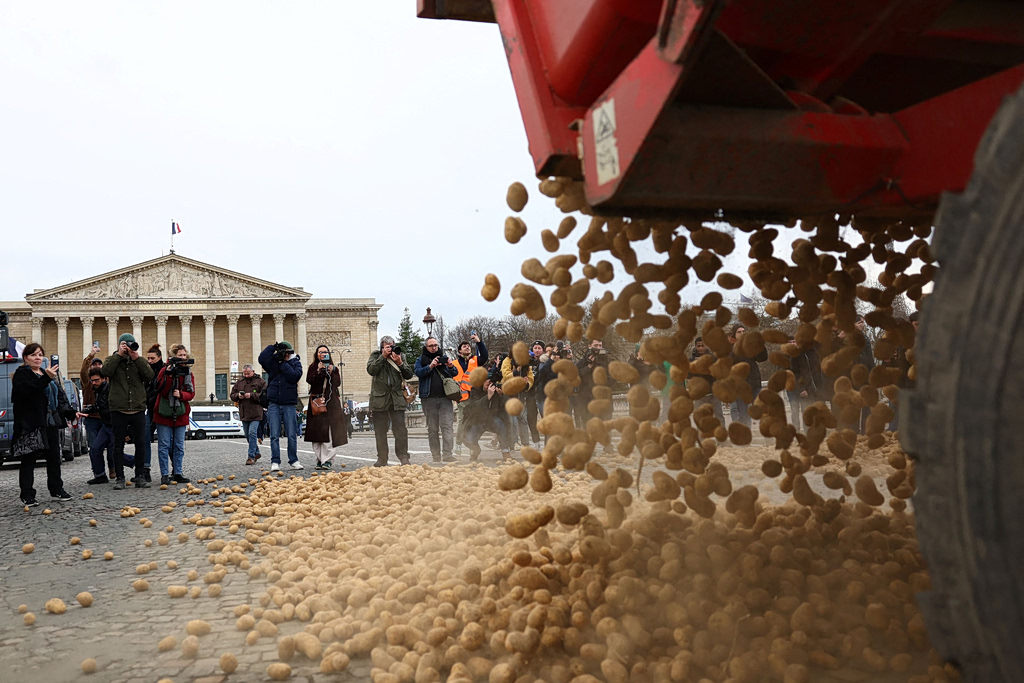
French farmers of French farm unions FNSEA and Jeunes Agriculteurs unload tons of patatoes for the use of parisians as they protest against the EU-Mercosur free trade agreement and the French government’s agricultural policy, in Paris, France, January 13, 2026. REUTERS/Abdul Saboor
Against this backdrop, a small but growing number of initiatives are attempting to rethink Greek agriculture. One of them is the Sustainable Food Destination Organization (SFDO), a Greek non-profit working with farmers and hospitality businesses to promote organic regenerative farming and local food supply chains. Rather than lobbying for relief, SFDO focuses on practices aimed at restoring soil function, reducing input dependence, and improving resilience to water and climate stress.
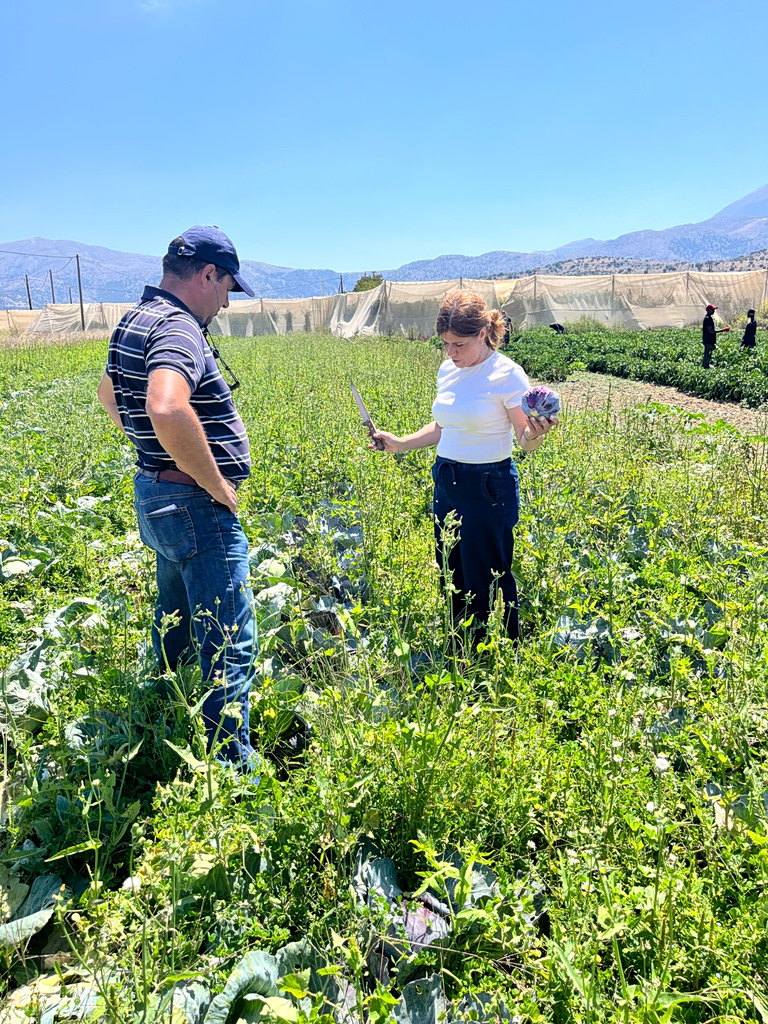
Image of regenerative farming, Lasithi Plateau, Greece. One characteristic of regenerative farming is the presence of weeds, which are not removed in an effort to support the retention of soil’s moisture. Credit: SFDO
Whether such approaches can move beyond pilot projects and niche markets, and whether they offer a realistic alternative within today’s policy framework, remains an open question. In the interview that follows, Nikiforos Steiakakis, COO of SFDO, shares his diagnosis of Greek agriculture’s structural weaknesses with To BHMA International Edition, along with his critique of current farmer demands, and his case for soil-centered regeneration as a pathway worth testing, even if it has yet to be proven at scale.
From your perspective, what is the single biggest structural problem facing Greek agriculture today, beyond the OPEKEPE scandal and protests? Is it, for example, climate, water, soil degradation, markets, policy design, or something else?
All of the issues you mention—climate, water, soil degradation, markets, and policy design–form a tightly connected nexus with feedback loops that amplify one another. However, if I have to identify a single root problem, it is soil degradation.
Degraded soils directly undermine water retention, increase vulnerability to heat and drought, reduce productivity, and weaken resilience to climate shocks. Once soil function collapses, every other problem becomes harder and more expensive to manage. In that sense, soil degradation is not just one issue among many, it is the foundation upon which the entire agricultural system either stands or fails.
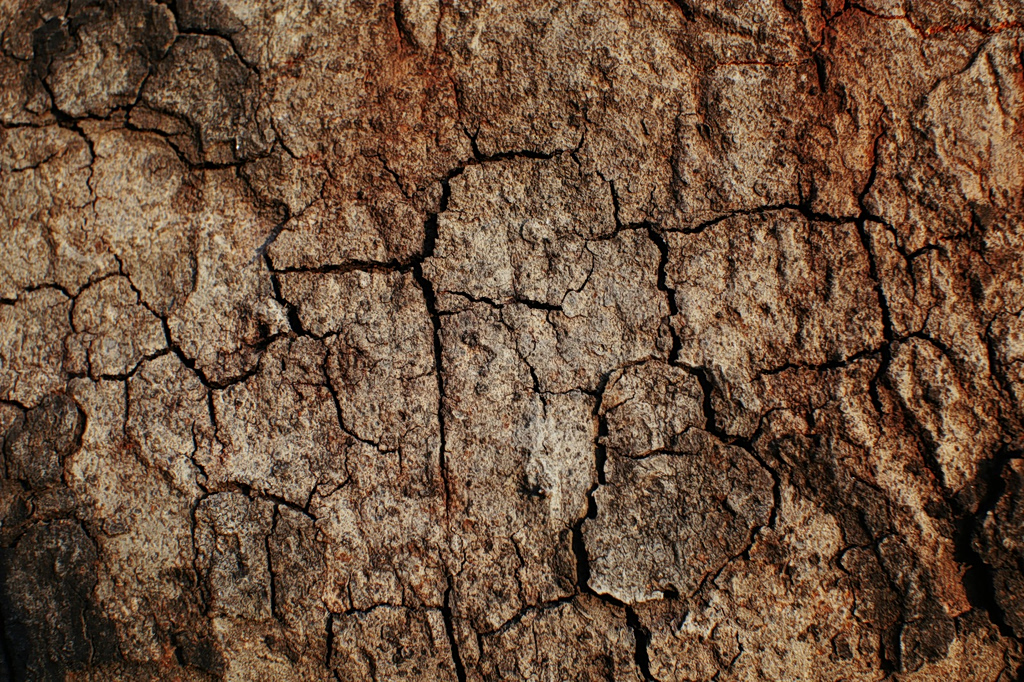
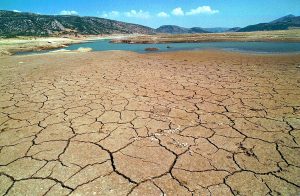
An image of degraded, low-productivity soil that can no longer support healthy plant growth. Soil productivity often declines with intensive tillage, removal of crop residues (biomass), and a lack of crop rotation, which can reduce soil organic matter and damage soil structure. As a result, the soil’s ability to absorb and retain water decreases, increasing runoff and the risk of flooding. Credit: Nothing Ahead- Pexel
Do you believe the current demands farmers are making to the government address the structural problems, or mainly provide short-term relief? Why?
They overwhelmingly provide short-term relief rather than addressing root causes. The demands focus on easing immediate financial pressure–fuel, electricity, compensation–without confronting why these pressures have become chronic.
In medical terms, we are asking for painkillers, not treatment. Until we address the structural drivers–soil degradation, water mismanagement, and a production model dependent on ever-increasing inputs–the same crisis will repeat itself year after year.
How central are climate change and water scarcity to the challenges Greek farmers already face today?
They are absolutely central.
How vulnerable is the current production model to drought and heat?
Extremely vulnerable. The prevailing model is built on an unsustainable logic that promised short-term gains but ultimately delivered declining profitability and mounting ecological debt–across soil, water, biodiversity, and farmer livelihoods.
This model has produced an agricultural landscape highly exposed to heat stress and water scarcity, while simultaneously being a major driver of water-cycle disruption through soil disturbance, loss of organic matter, and landscape simplification/degradation.
Why do you think water is largely absent from political negotiations?
Water is largely absent from political negotiations moreso because of the political difficulties it presents, as oppose to its technical complexities. It challenges entrenched narratives by shifting responsibility away from abstract climate forces toward concrete land-use and governance decisions.
Water scarcity is commonly framed as bad luck or an unavoidable consequence of climate change: something external, episodic, and beyond control. This framing is politically convenient, as it justifies reactive, infrastructure-heavy responses rather than structural reform.
In reality, water availability in Mediterranean systems is overwhelmingly determined by how land and soils are managed. It is soil’s organic matter, ground cover, slope design, and landscape connectivity that dictate whether rainfall infiltrates, recharges aquifers, and sustains base flows, or is lost immediately through runoff and evaporation. In this sense, water is not merely affected by climate change; water is climate change as experienced on and in the ground.
Recognizing these facts would make governments responsible for long-term land stewardship, not just emergency management. It would also expose the limitations of conventional solutions. Across Southern Europe, including Greece, the drought–flood paradox is now well documented: reservoirs remain empty while flash floods increase. Without restoring soil infiltration and catchment-scale hydrological function, new dams and water-transfer projects risk becoming stranded assets; capital-intensive infrastructure designed to store water that no longer remains in the landscape long enough to be captured, or fails to arrive at all due to a land-management-induced breakdown of the water cycle.
Water remains politically sidelined not because it is uncontrollable, but because acknowledging its true drivers would require systemic change rather than incremental adaptation.
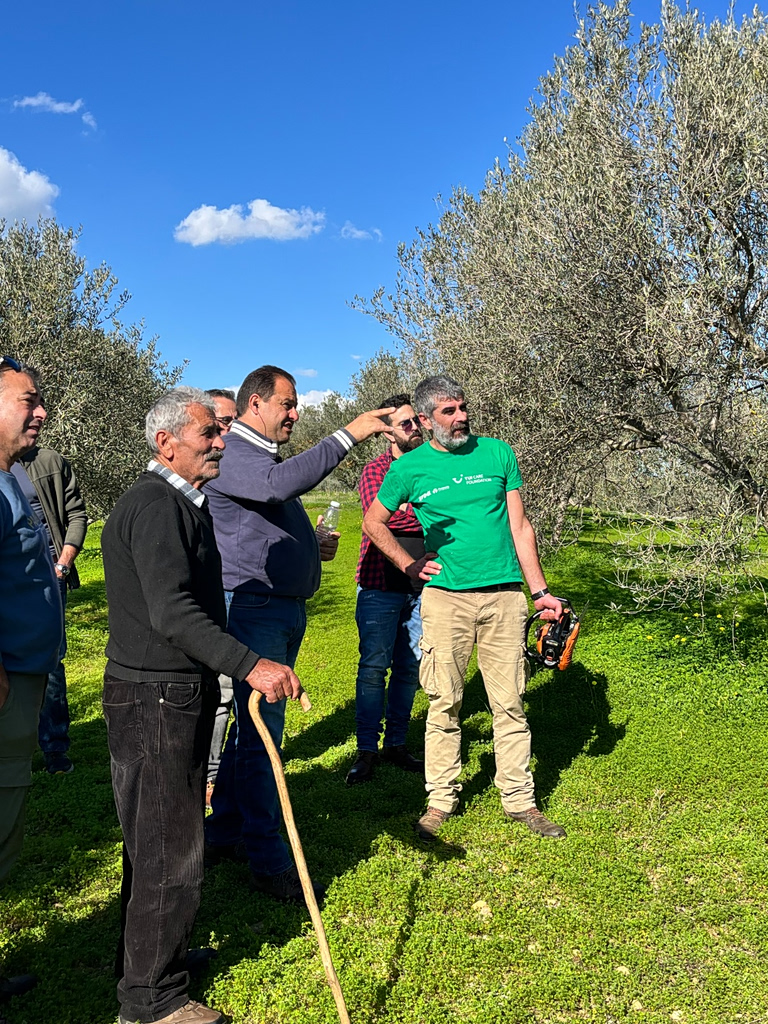
Regenerative olive tree pruning for olive groves on Crete. Credit: SFDO
As a solution to these problems, SFDO promotes “Regenerative Agriculture”. What does this mean in practical terms on a Greek farm?
At SFDO, we work in alignment with Organic Regenerative Agriculture (ORA), the standard developed by our partner, the Institute of Ecological Farming – DIO.
In practical terms, two practices are absolutely critical: the radical minimization of soil disturbance and continuous soil cover.
For annual crops, disturbance is reduced to the absolute minimum; for perennial systems, tillage is eliminated entirely. This allows soil structure, biology, and carbon to recover.
Soils remain covered year-round with living plants and/or dead organic matter. This protects against erosion, moderates temperature, feeds soil biology, improves water infiltration, and reduces evaporation.
These are not add-ons; they fundamentally redefine how the farm functions.
What concrete evidence do you have that regenerative practices improve outcomes for Greek farmers?
Studies across the world and empirical evidence from Greek farming contexts show that yield responses during the transition to regenerative practices depend largely on the soil’s initial condition and management history. That said, we typically have a gradual improvement from the first year. Although there are cases–mostly with grains and severely degraded soils—in which there is a slight initial reduction in yield. Despite this, farm profitability improves from the outset due to substantially reduced input costs (for synthetic fertilizers, pesticides, irrigation, and energy).
Within a typical three-year transition period, yields generally recover to conventional levels and in many cases exceed them–contrary to the common perception of sustained yield loss. At the same time, farms exhibit markedly increased resilience to climatic stressors such as drought, heat waves, and extreme rainfall.
Beyond yield metrics, we have qualitative improvements to produce, including enhanced taste and increased nutritional density, which reflect the soil’s improved biological function and nutrient cycling.
Water infiltration and retention also improve dramatically due to restored soil structure and increased organic matter. Continuous soil cover reduces evaporation losses and even captures morning humidity. As a result, fields retain moisture for longer and require less irrigation.
Finally, after an initial adjustment phase—which sometimes involves equipment changes or irrigation redesign—farmers experience lower dependency on fertilizers, pesticides, and water, leading to improved and more stable profit margins and reduced financial and climate risk.
What are the main downsides or risks of regenerative farming in the Greek context? Please consider short-term yield losses, labor or technical knowhow shortages, and financial risks, commenting on which are the most serious.
The biggest challenges are knowledge gaps and market awareness. Regenerative agriculture requires a profound paradigm shift: farmers must unlearn practices they were taught for decades and accept that many of them are no longer viable.
This is more than technical change; it is cultural and psychological, and that makes it difficult.
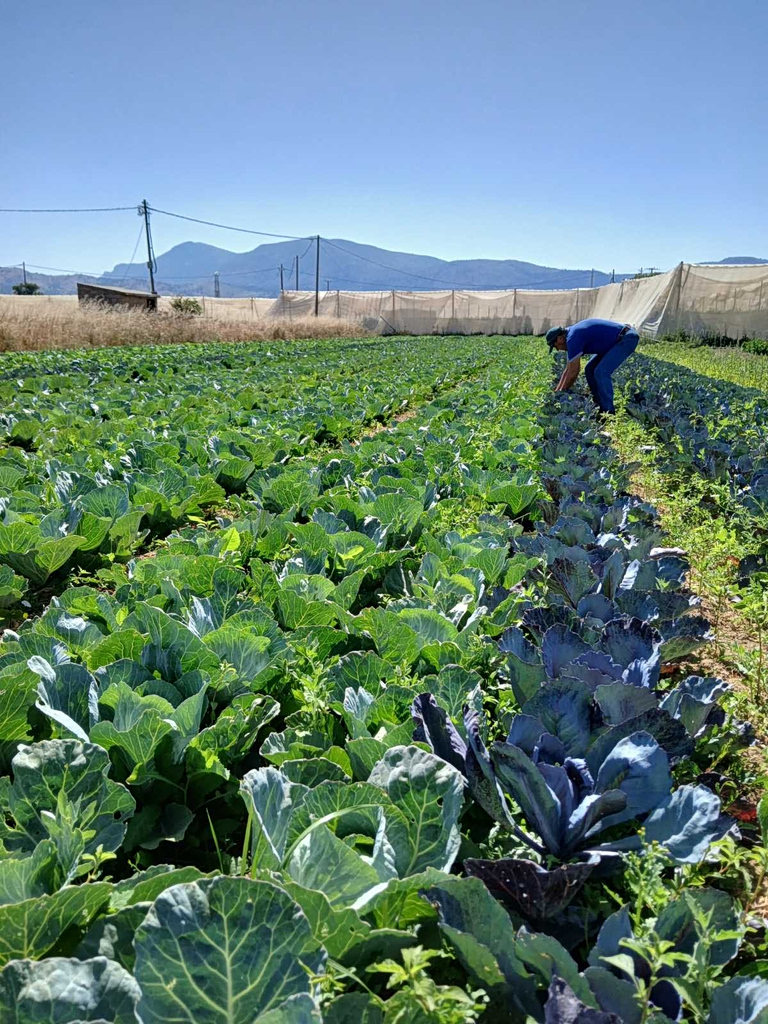
Image of regenerative farming on Lasithi Plateau, Crete. Credit: SFDO
How do Greek farmers generally respond to regenerative agriculture: with curiosity, skepticism or resistance?
The response is mixed: curiosity coexists alongside skepticism and resistance.
The most common–and valid—objection is a lack of trust. It was following the advice they received for years from institutions and policies that ultimately led farmers into today’s crisis. Their skepticism is understandable.
Resistance rooted in fear of change and difficulty accepting past mistakes may be less valid, but it is very human. To move forward, we will need to provide both technical support and emotional reassurance.
How does SFDO’s training and farm-to-fork model help farmers manage the risks of transitioning to regenerative practices?
SFDO works with small farmer groups across Crete and the Aegean islands, particularly on Rhodes.
We connect farmers directly with hotels and food buyers to create regenerative food supply chains. This reduces market risk, provides price stability, and gives farmers a concrete reason to transition. At the same time, hospitality businesses strengthen their sustainability credentials, creating genuine win-win partnerships.
The main barrier is not feasibility; it is policy understanding and political will. Despite the clear benefits, regenerative models remain poorly understood by decision-makers, and therefore unsupported at scale.
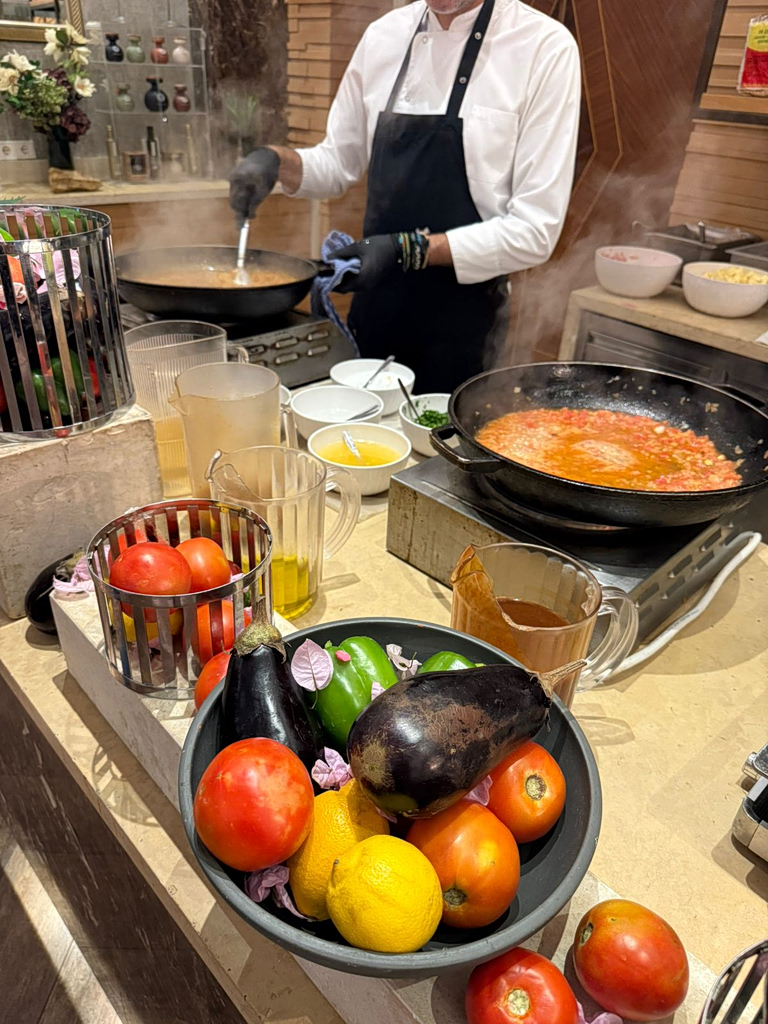
Regenerative farming produce used to prepare food at hotels on Rhodes, as part of a ‘Food to Fork’ project. Credit: Zena Katsarou
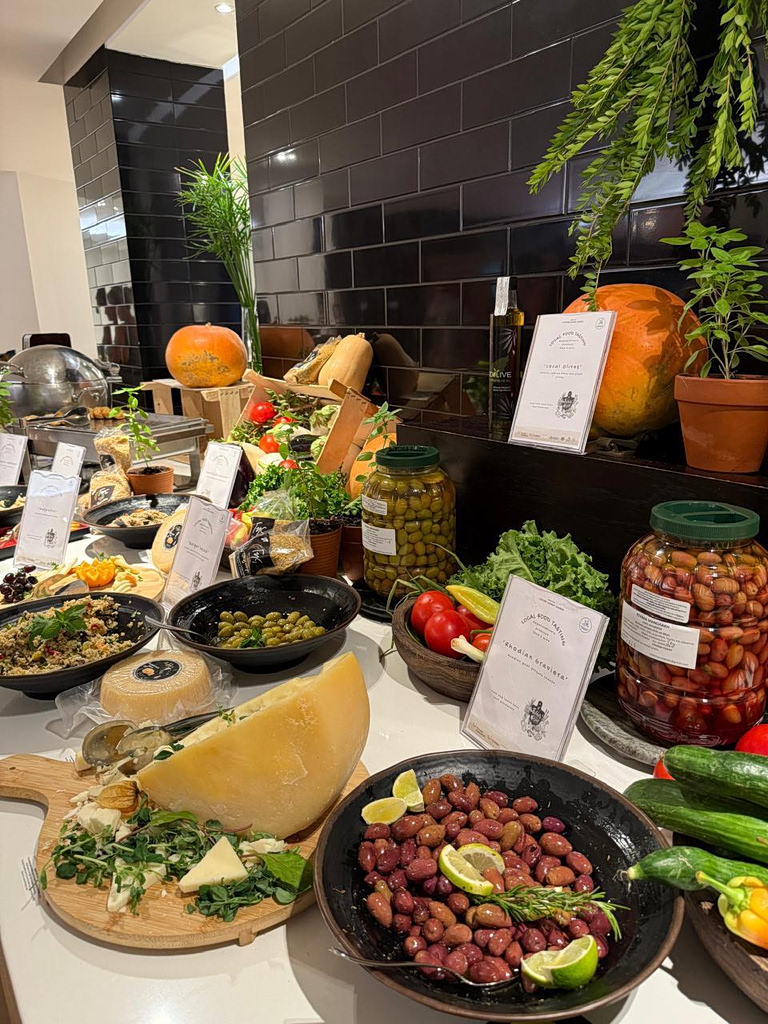
Credit: Zena Katsarou
How well do current CAP subsidies and national policies support—or undermine—the shift toward regenerative practices?
Incentives are fundamentally misaligned. Policymakers are promoting rapid change through new requirements and targets without adequately investing in farmer preparation, advisory capacity, and transition support. At the same time, they continue to subsidize and protect the conventional input-intensive model.
This dual approach sends conflicting signals to farmers. One part of the policy framework calls for transformation, while another rewards the status quo. The result is confusion, risk aversion, and compliance-driven behavior, where farmers optimize for subsidy eligibility rather than engaging in genuine, system-level regenerative change.
True structural change requires courage. As the Greek saying goes: if you want an omelet, you have to break some eggs.
If farming practices and water governance in Greece do not change meaningfully, where do you realistically see Greek agriculture 10–15 years from now? And conversely, what would need to change for a more resilient future to be possible?
The current trajectory is unsustainable. Rising temperatures, increasing water scarcity and variability, biodiversity collapse, and uncontrolled pathogen pressure will severely threaten food security.
Input costs will continue to rise, profit margins will shrink further, and more farmers will abandon their land—which is already a trend today. Without meaningful change, yields will become increasingly unpredictable, and agriculture will no longer represent a viable livelihood for many.
Conversely, a resilient future is possible–but only if we restore soils, rethink water governance, and realign policy with ecological reality.