 Μake us preferred on Google
 A powerful El Niño weather event expected to intensify in the coming months could disrupt global food production, but record-high inventories of major crops may help soften the impact, analysts and officials said.
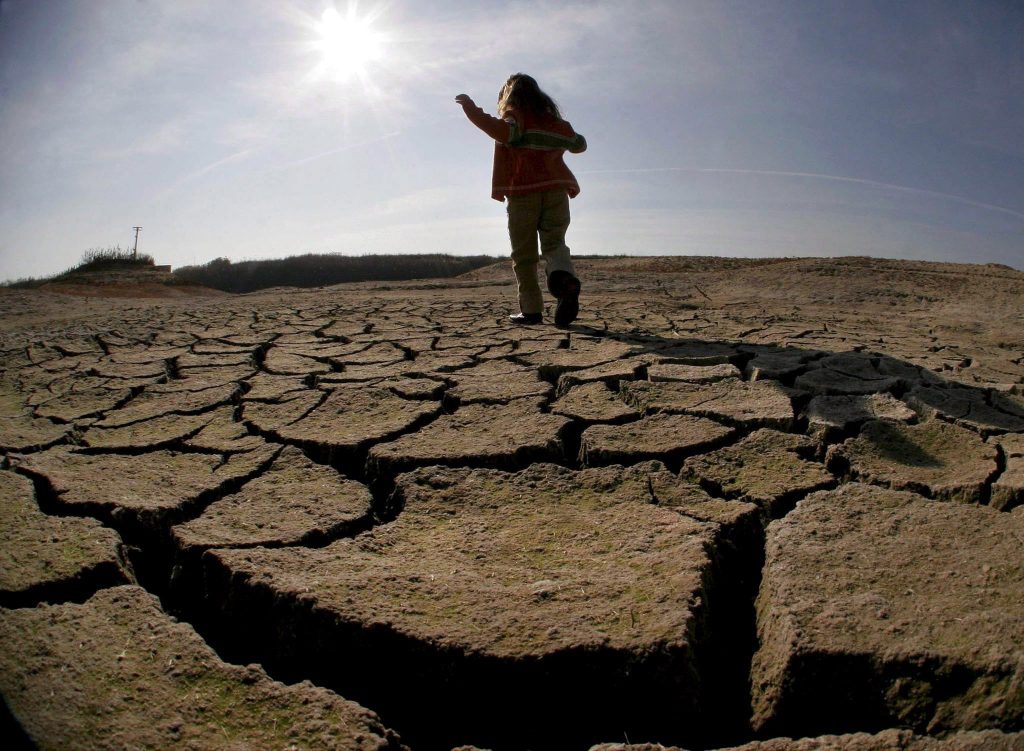
El Niño typically brings hotter and drier conditions to large parts of Asia while increasing rainfall across the Americas. Meteorologists expect the 2026/27 event could become one of the strongest on record, raising concerns over possible crop losses, food price increases and economic disruption.
Previous strong El Niño events caused major agricultural damage. The 2015–16 episode brought droughts, floods and record temperatures that affected farming across Asia and Africa, while the 1997–98 event triggered widespread floods, wildfires and crop failures.
However, this year’s situation could be different because several consecutive years of strong harvests have boosted global food reserves.
“There is a bit of silver lining as far as global stocks and recent harvests of rice and other cereals is concerned,” said Shirley Mustafa, an economist at the U.N. Food and Agriculture Organisation (FAO), adding that inventories could help absorb some of the impact.
Wheat, rice and grain reserves remain strong
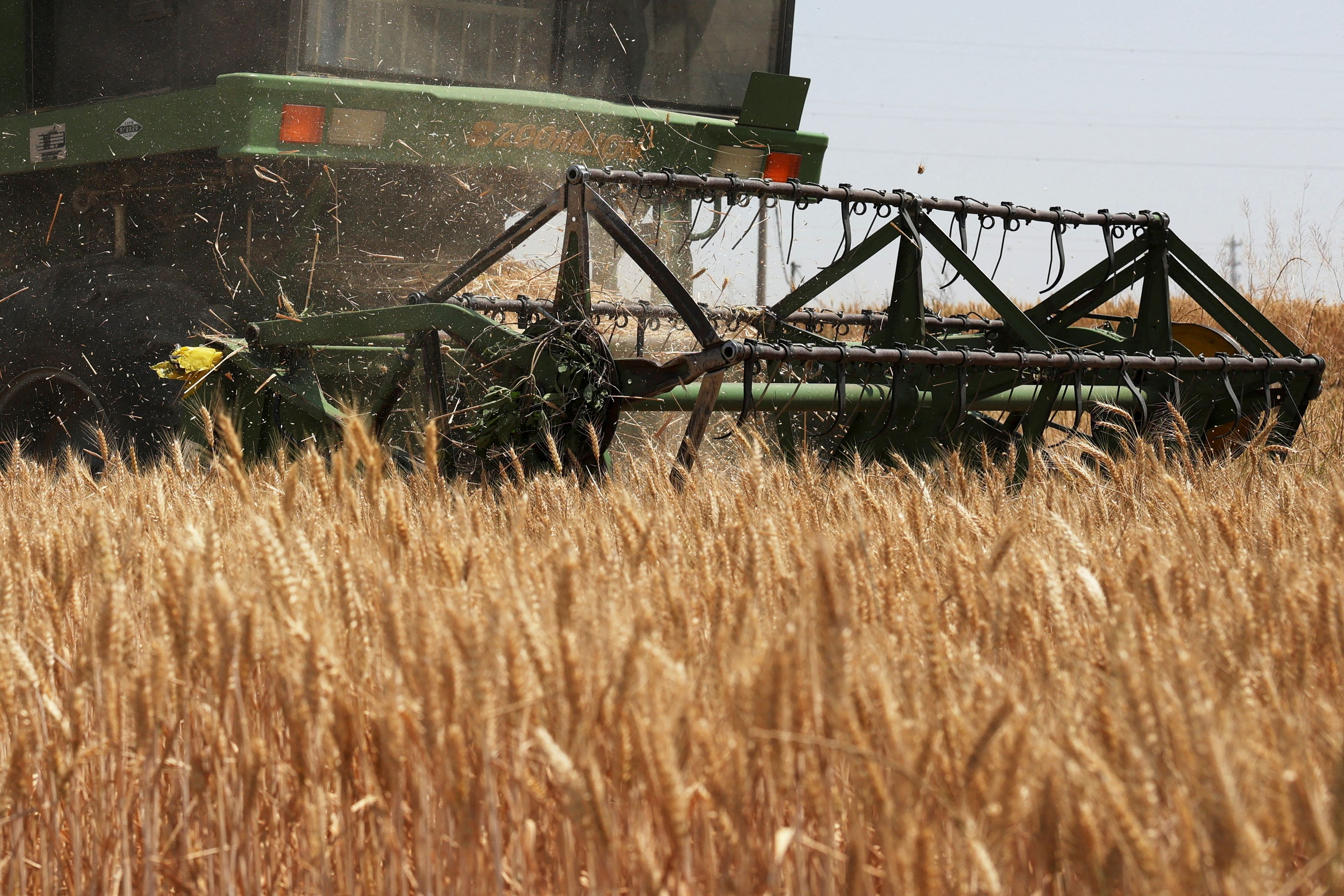
Global wheat supplies are among the areas expected to provide some protection against weather disruptions. U.S. Department of Agriculture data shows wheat stocks are forecast to reach 279.95 million metric tons at the beginning of the crop year on July 1, the highest level in five years.
Russia, the world’s largest wheat exporter, and other major producers in the Northern Hemisphere are currently harvesting large crops, although concerns remain over the impact of drought on the U.S. wheat harvest.
A trader in Singapore said wheat importers are not currently concerned about availability, with Black Sea harvests expected to support supplies over the coming months.
Rice reserves are also at record levels. Global milled rice stocks reached 196.16 million tons at the start of 2026, with India, the world’s largest rice exporter, holding reserves around five times the government’s target.
India has previously restricted rice exports during El Niño years when production was affected, but traders said record inventories could make such measures less likely this year.
Indonesia, one of the world’s major rice importers, is also holding record stocks after farmers accelerated planting to prepare for possible El Niño-related risks. Officials said improvements in irrigation and water systems would be important in limiting damage.
Thailand, the world’s third-largest rice exporter, is also benefiting from reservoir levels that are the highest in a decade, which could support newly planted crops.
China, Europe and Black Sea regions may face less severe impact
The effects of El Niño are expected to vary by region.
Australia, Southeast Asia and India face some of the greatest risks, while China, the Black Sea region and Europe are forecast to experience less severe weather conditions.
A research paper published by Britain’s parliament said El Niño’s influence on European weather patterns can be difficult to predict, although the region is generally less directly affected.
In the Americas, El Niño often brings wetter conditions, which can threaten crops and infrastructure if rainfall leads to flooding.
Palm oil producers prepare for changing conditions
Palm oil producers Indonesia and Malaysia are also monitoring conditions, but current rainfall has supported crops.
Gulat Manurung, chairman of Indonesia’s smallholders group APKASINDO, said conditions across Kalimantan and Sumatra remain suitable for palm oil growth, despite a reduction in rainfall frequency.
Analysts said newer palm varieties planted in recent years are more resistant to drought and that trees have gradually adapted to higher temperatures since the 1997–98 El Niño.
Export restrictions remain a risk
Despite strong supplies, officials warned that government responses could still affect global food markets.
The FAO said past crises have shown that countries may impose export restrictions to protect domestic supplies, potentially tightening availability for importing nations even without an actual shortage.
FAO economist Mustafa said the final impact would depend on how importers manage purchases and whether exporters keep global supply chains functioning.
“A strong El Niño forecast would have had a different impact on prices if the world supply was tight,” said Tobin Gorey, founder of commodities consultancy Cornucopia in Sydney.