Mount Olympus has officially been added to the UNESCO World Heritage List, marking a historic achievement for Greece and granting international recognition to one of the country’s most iconic natural and cultural landmarks.
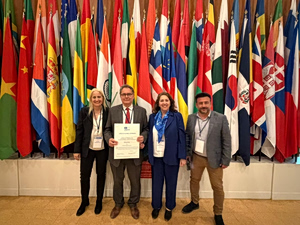
The decision was unanimously approved during the 48th session of the UNESCO World Heritage Committee, held in Busan, South Korea. With the move, the “mountain of the gods” is now recognized as a site of Outstanding Universal Value for humanity.
The inscription places the wider Mount Olympus area among the world’s most significant heritage sites requiring special protection and care.
A landmark combining nature and mythology
Mount Olympus was recognized as a mixed heritage site, meaning its value is based on both its cultural and natural importance. It becomes the third mixed heritage site from Greece to join the UNESCO list, alongside Meteora and Mount Athos.
The recognition highlights the mountain’s unique landscape, rich biodiversity and deep connection with Greek history and mythology. According to Greek authorities, Mount Olympus represents the enduring link between nature and culture, having inspired literature, art, philosophy and scientific thought for centuries.
Known in ancient Greek mythology as the home of the Twelve Olympian Gods, Olympus has held a central place in Greek culture since antiquity. Its influence spread beyond the ancient world through works such as Homer’s epics and Hesiod’s writings, continuing to shape global cultural traditions.
A global biodiversity treasure
Beyond its cultural importance, UNESCO’s decision also recognizes Olympus as a major center of biodiversity.
The mountain, which rises to 2,918 meters, hosts a wide variety of plant and animal species due to its unique geography, elevation range and proximity to the Aegean Sea. It contains nearly 2,000 plant taxa, representing more than a quarter of Greece’s flora, including species found nowhere else in the world.
The area is also home to significant wildlife populations, including birds, mammals, reptiles and amphibians, as well as the brown bear and Greece’s largest population of wild goats.
Greece celebrates international recognition
The Greek Ministries of Culture and Environment and Energy welcomed the UNESCO decision, describing it as one of the country’s most important international distinctions in the protection of cultural and natural heritage.
Culture Minister Lina Mendoni said the inscription confirmed Greece’s commitment to protecting and sustainably managing its heritage, while highlighting Olympus as a symbol of Greek civilization and global cultural identity.
Environment and Energy Minister Stavros Papastavrou said the recognition marked the beginning of a new phase focused on practical projects, including interventions worth more than €10 million aimed at protecting the environment, improving accessibility and supporting sustainable development in the wider area.
Long journey to UNESCO listing
The successful bid for Mount Olympus followed years of cooperation between Greek cultural and environmental authorities. The nomination process began in 2014 and involved the preparation of a detailed file documenting both the mountain’s natural and cultural significance.
Greek officials thanked the experts, government agencies and representatives involved in the effort, including Greece’s permanent representative to UNESCO, Giorgos Koumoutsakos.
With the new inscription, Greece now has 21 entries on the UNESCO World Heritage List, strengthening its international presence in the field of heritage protection.