

It was on March 18, 1996, that Greece bid farewell to one of the most important poets in its modern history. Odysseas Elytis, Nobel laureate and creator of a singular poetic universe, died in Athens, leaving behind a body of work that continues to shape generations.
Three decades later, his absence remains palpable—not only in literature, but in the country’s collective memory. And perhaps that, more than anything, proves that some creators never truly depart.
Marking the 30th anniversary of his death, Ioulita Iliopoulou, the poet’s companion in life, chose to honor the poet in a way that was simple yet deeply meaningful.
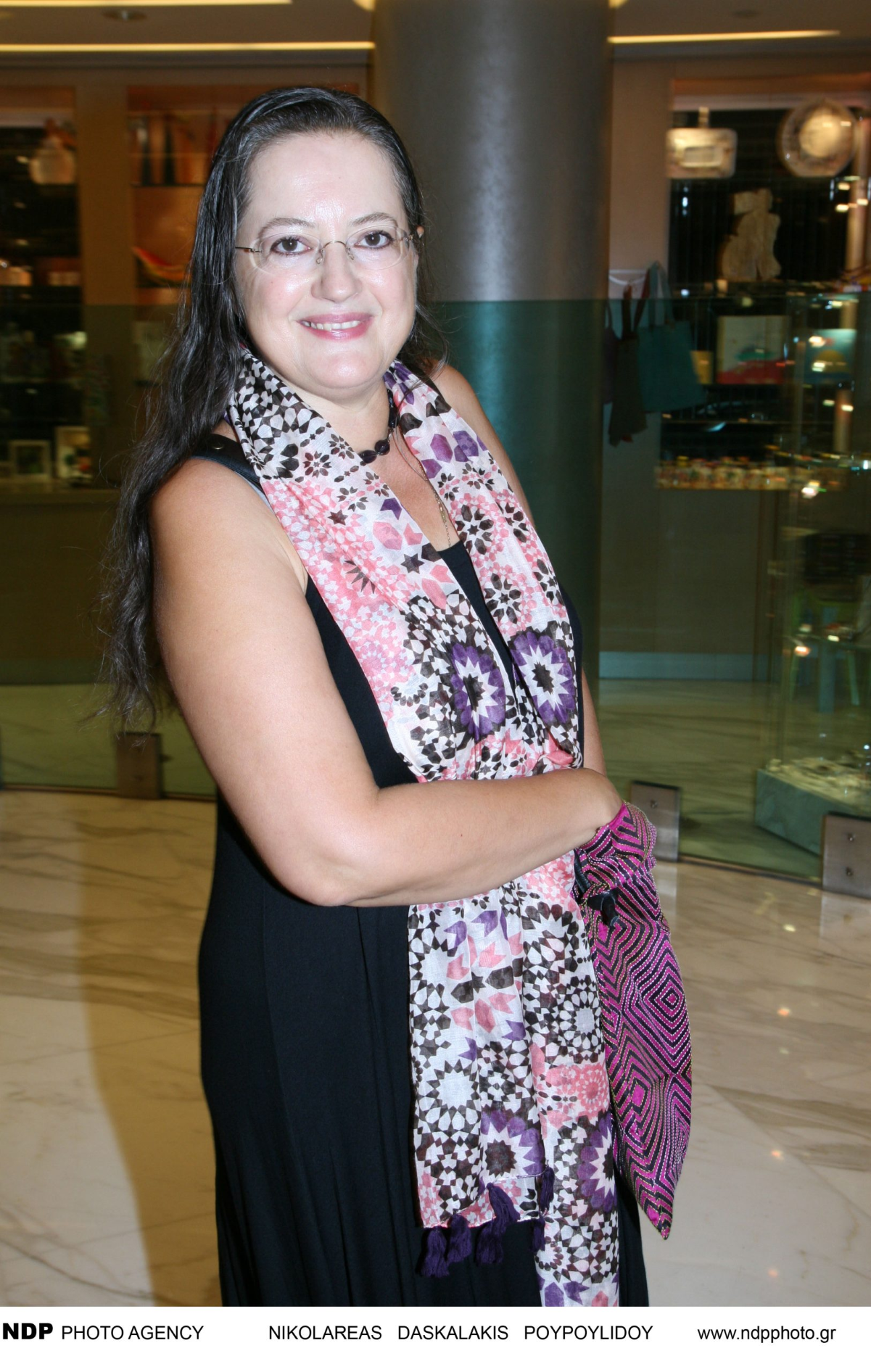
Sharing a photograph of him, she posted two lines from the poem Past Midnight: “It must be true, it seems / that I live for when I shall no longer exist.” Spare and almost silent, the gesture reads like a dialogue between past and present—a reminder that the work of Odysseas Elytis continues to “live” exactly as he himself had foretold.
Ioulita Iliopoulou was far more than the poet’s companion. She stood by his side during the last 13 years of his life, serving both as a source of inspiration and as a steadfast, essential presence.
Odysseas Elytis and His Poetic Universe
Odysseas Elytis, born Odysseas Alepoudelis, was one of the leading figures of 20th-century Greek poetry.
His work is marked by intense lyricism, a profound bond with Greek light and landscape, symbolism and surrealist elements, and a constant search for freedom and identity.
In 1979, he was awarded the Nobel Prize in Literature, bringing Greek poetry to the forefront of the international stage.
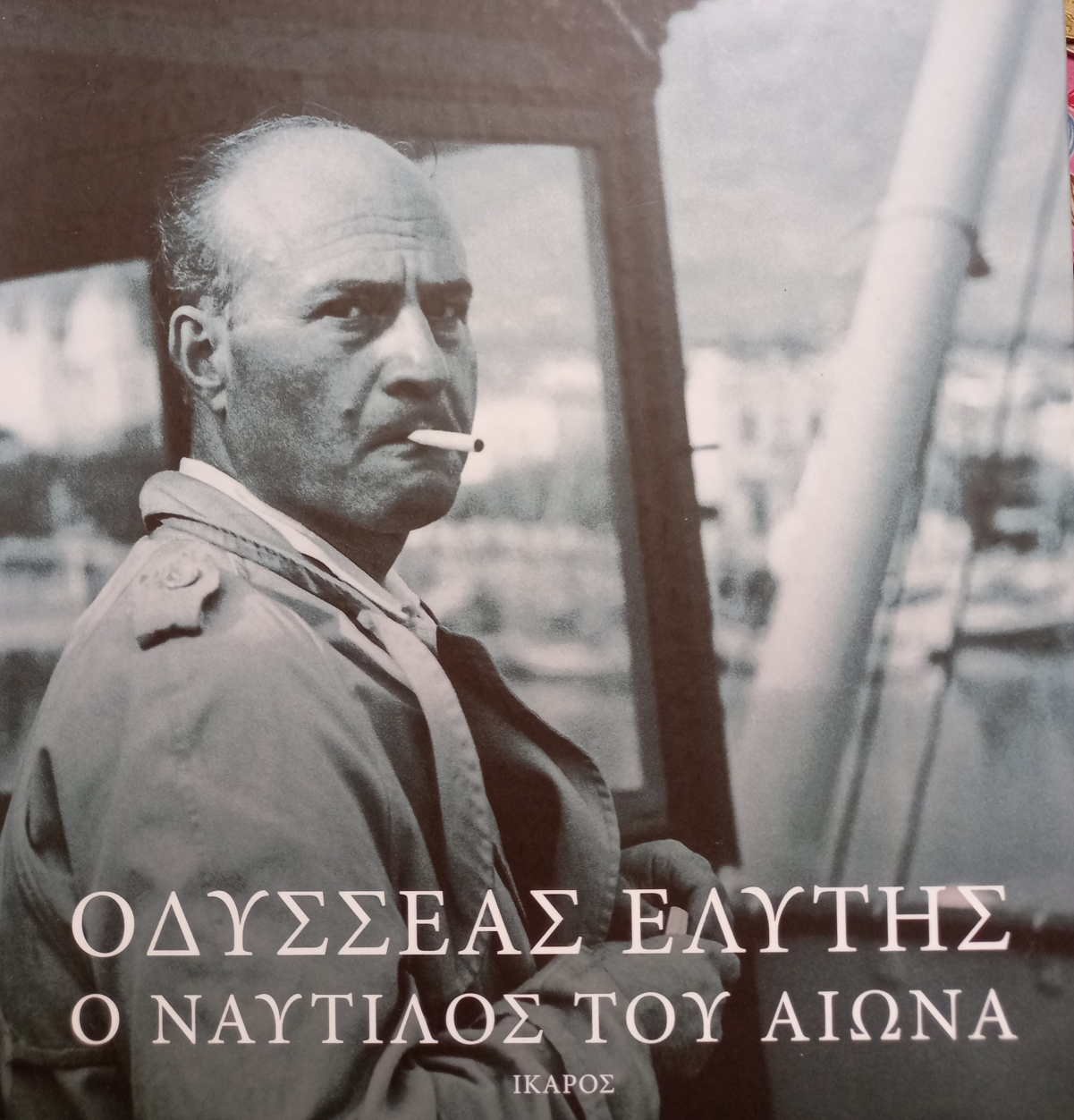
The Works That Defined an Era
Among his most emblematic works are Axion Esti, a landmark poetic composition later set to music by Mikis Theodorakis, the collections Sun the First and The Monogram, along with numerous poems cherished by a wide readership.
His poetry achieved something rare: it bridged the divide between the learned and the popular, bringing high art closer to everyday life. His lines continue to be read, set to music, and shared—especially in moments that call for meaning, light, and hope.