The restoration of a network of historic fountains in Thessaloniki’s elevated old quarter of Ano Poli has restored long-dormant monuments to daily life.
Four additional fountains were formally reopened in a public ceremony, completing a wider program that has now restored eight Ottoman-era fountains across the old quarter. The works form part of a coordinated conservation effort led by the culture ministry in collaboration with the municipality and the local water utility.
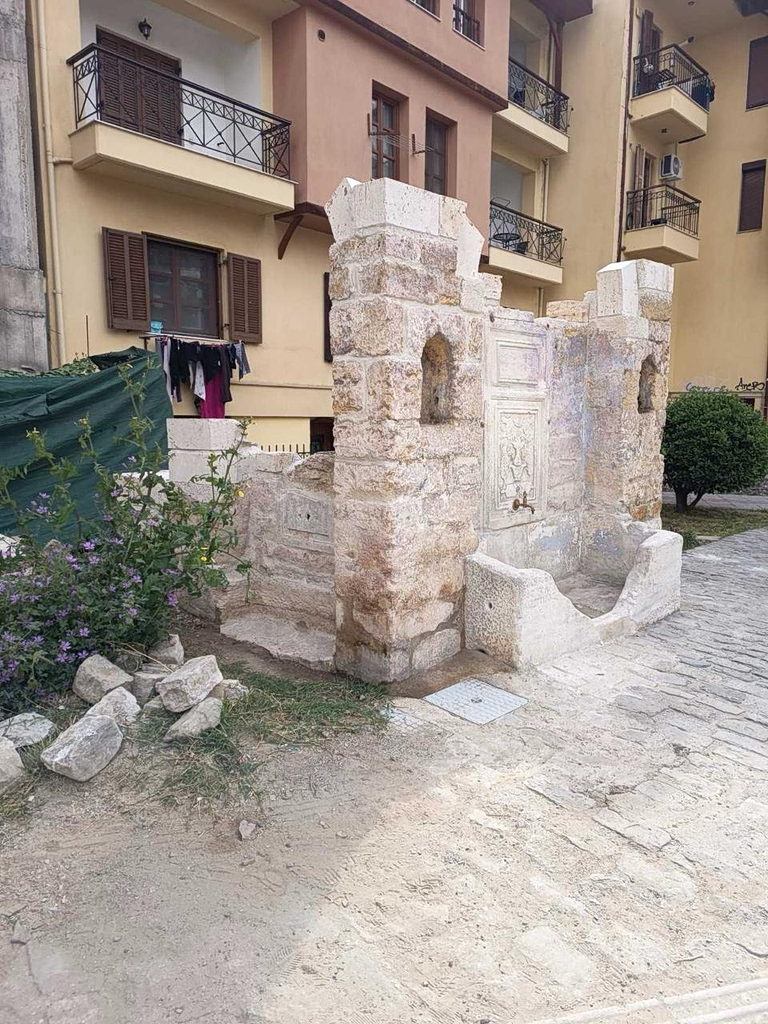
The fountains, located across key points of the Ano Poli district —including Kassandrou Street, Olympiados Street, and intersections around historic neighborhoods—were once essential sources of water and communal gathering points for residents over the past few centuries.
The intervention focused on structural restoration, cleaning of stone and marble elements, removal of later additions, and reconstruction using compatible materials.
Special attention was given to preserving inscriptions, decorative elements and original architectural features, alongside the removal of graffiti and cement-based repairs from earlier interventions. Newly carved marble basins and brass taps were installed, allowing the fountains to function again within the modern water network.
Heritage officials involved in the project described the restoration as part of a broader effort to reintroduce historical infrastructure into the everyday life of the city, highlighting the role of water in shaping the identity of the Upper Town over time.
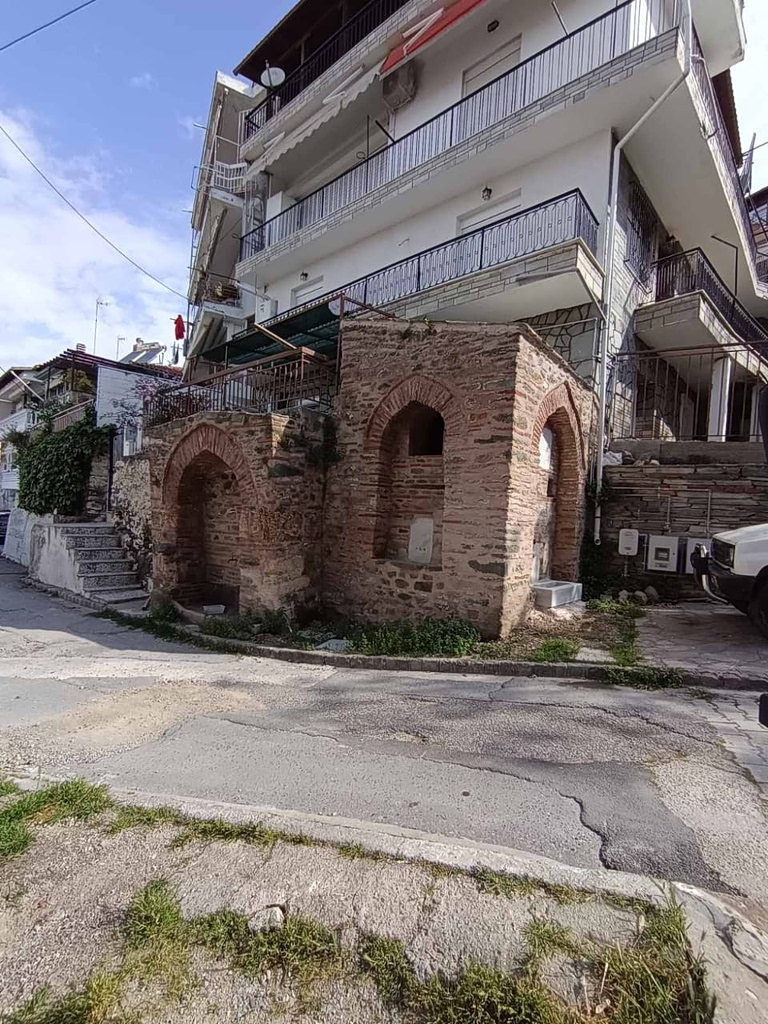
The completion of the second phase follows an earlier round of restorations delivered last year, when four other fountains were returned to public use. Together, the eight restored sites now form a small network of revived urban landmarks spread across neighborhoods that preserve layered histories of Byzantine, Ottoman and modern urban development.
Beyond the fountains, authorities are also advancing a wider plan to unify Thessaloniki’s archaeological sites and monuments into a continuous cultural corridor. The initiative aims to connect major landmarks—including Roman-era remains, Byzantine-era churches and metro-exposed archaeological sites—into a single accessible urban landscape.
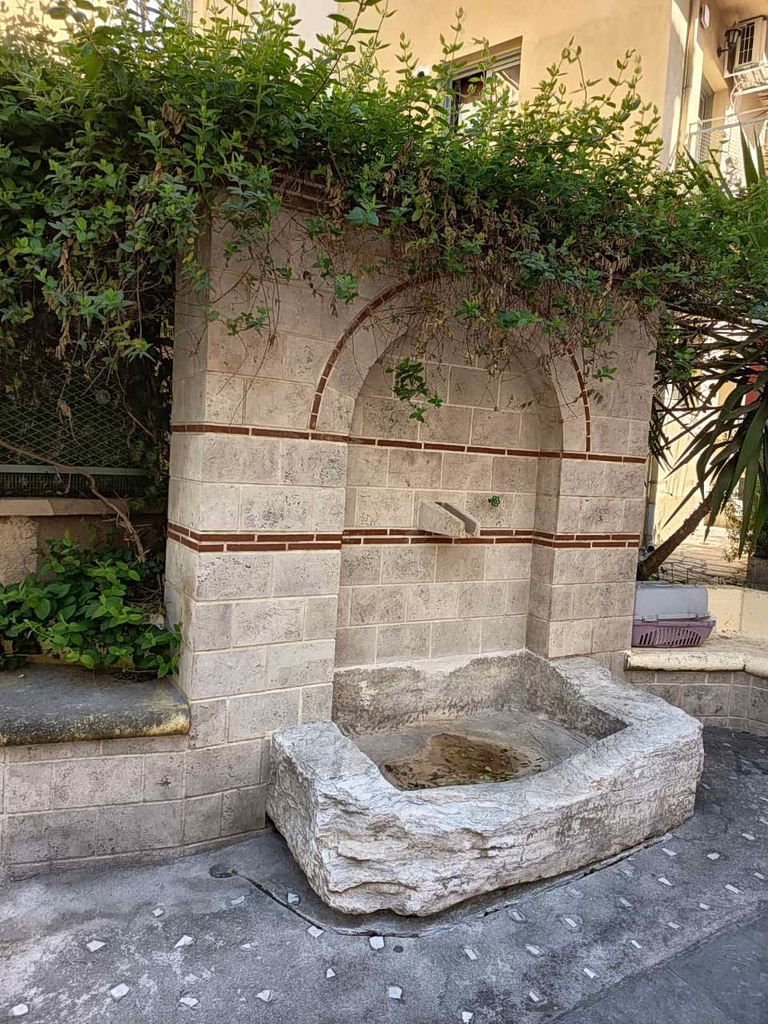
In a statement, Culture Minister Lina Mendoni noted that “…the restoration and reactivation of the historic fountains in Thessaloniki’s Ano Poli is a small but meaningful intervention that improves everyday urban life. Through close cooperation between the ministry of culture, the municipality of Thessaloniki, and EYATh (the water utility), we are demonstrating that coordinated action can produce tangible results for the city. Monuments should not remain static; they must be living parts of daily experience. The return of flowing water carries not only historical continuity but also symbolic value, as a reminder of the importance of preserving and revitalizing our cultural heritage.”