
Thousands of low-value packages, often under 150 euros, are delivered daily across Greece, either to homes or parcel lockers, creating an uneven playing field for local businesses. Market representatives warn that the current system, which allows duty-free imports mainly from China and other non-EU countries, undercuts Greek companies, who must pay customs duties, VAT, and compliance costs to meet EU standards.
According to the Hellenic Confederation of Commerce and Entrepreneurship (ESEE), over 91% of EU parcels below 150 euros come from China. In Greece alone, up to 50,000 low-value orders arrive daily—a number that continues to rise. Research indicates that one in five euros spent by Greek consumers on online platforms flows back to China, with the estimated market value ranging from 529-627 million euros.
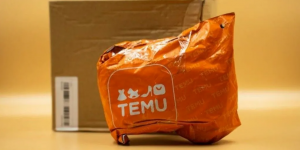
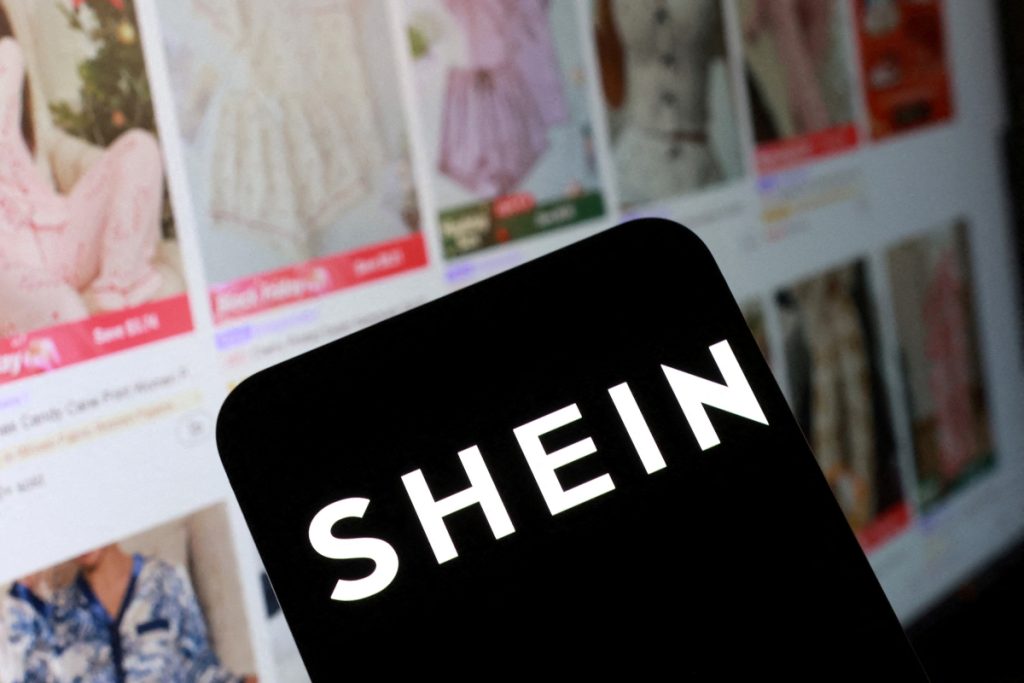
Greek retailers face tight conditions, say ESEE, the Greek E-Commerce Association (GRECA), and trade associations nationwide. Large platforms, notably Temu and Shein, already control 15–20% of Greece’s e-commerce market.
A study by INEMY estimates that the total losses to the Greek economy from this influx could reach 188–204 million euros—triple the revenue from standard retail taxation.
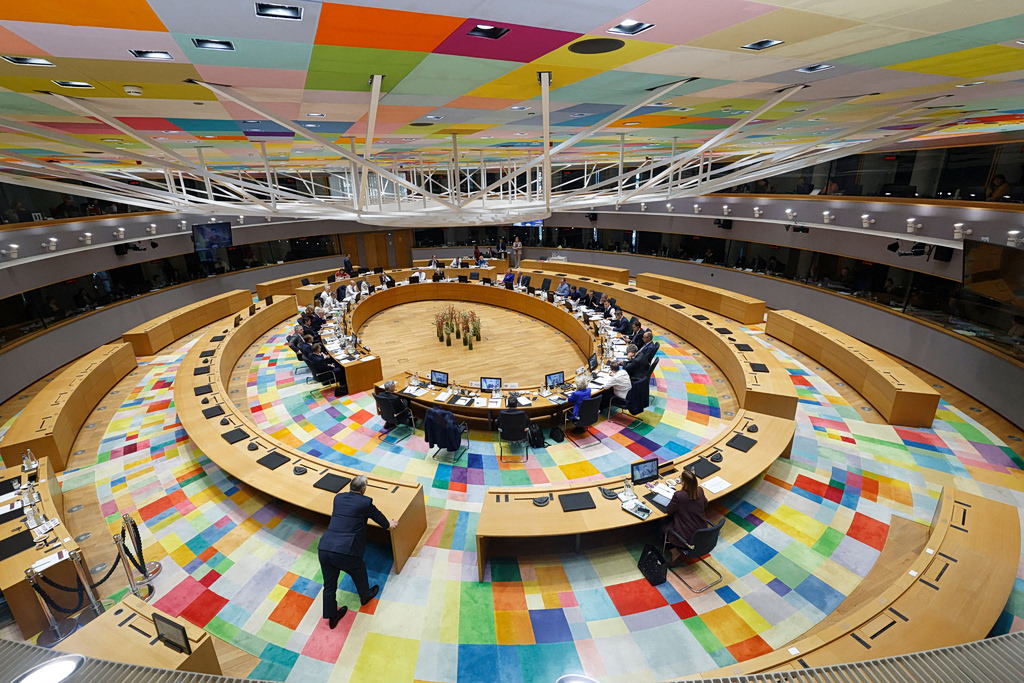
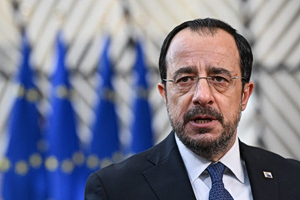
Merchants are calling for EU intervention. Attention is focused on ongoing European measures against unfair competition, including ECOFIN’s expected implementation of last Nov.’s policy agreement imposing duties on parcels under 150 euros and France’s legal case against Shein, seen as a potential “test case” for EU member states.
In 2024, 4.6 billion parcels under 150 euros entered the European market, with forecasts for 2025 reaching 6 billion. European and Greek businesses, adhering to strict quality, labor, and environmental standards, struggle to compete against poorly regulated imports, facing price pressure, reduced turnover, and weakened local markets.
ECOFIN is now expected to confirm the EU’s commitment by enforcing duties on these parcels from 2026—two years earlier than initially planned.
Key questions remain: the exact start date, whether it will be uniform across member states, the structure of the transitional framework, and the application of management fees—ensuring these costs do not fall on consumers.