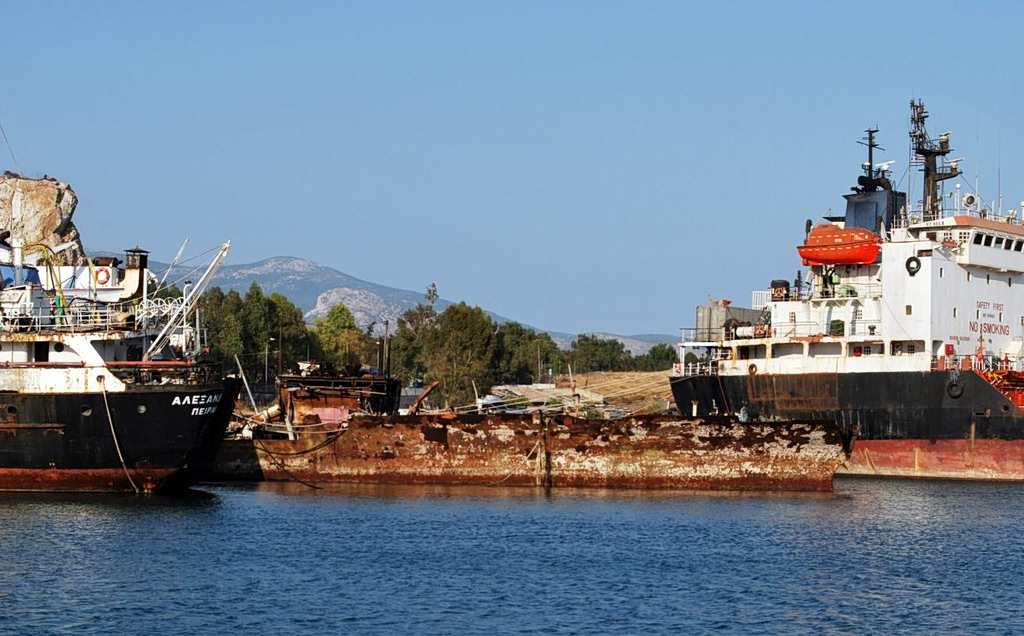
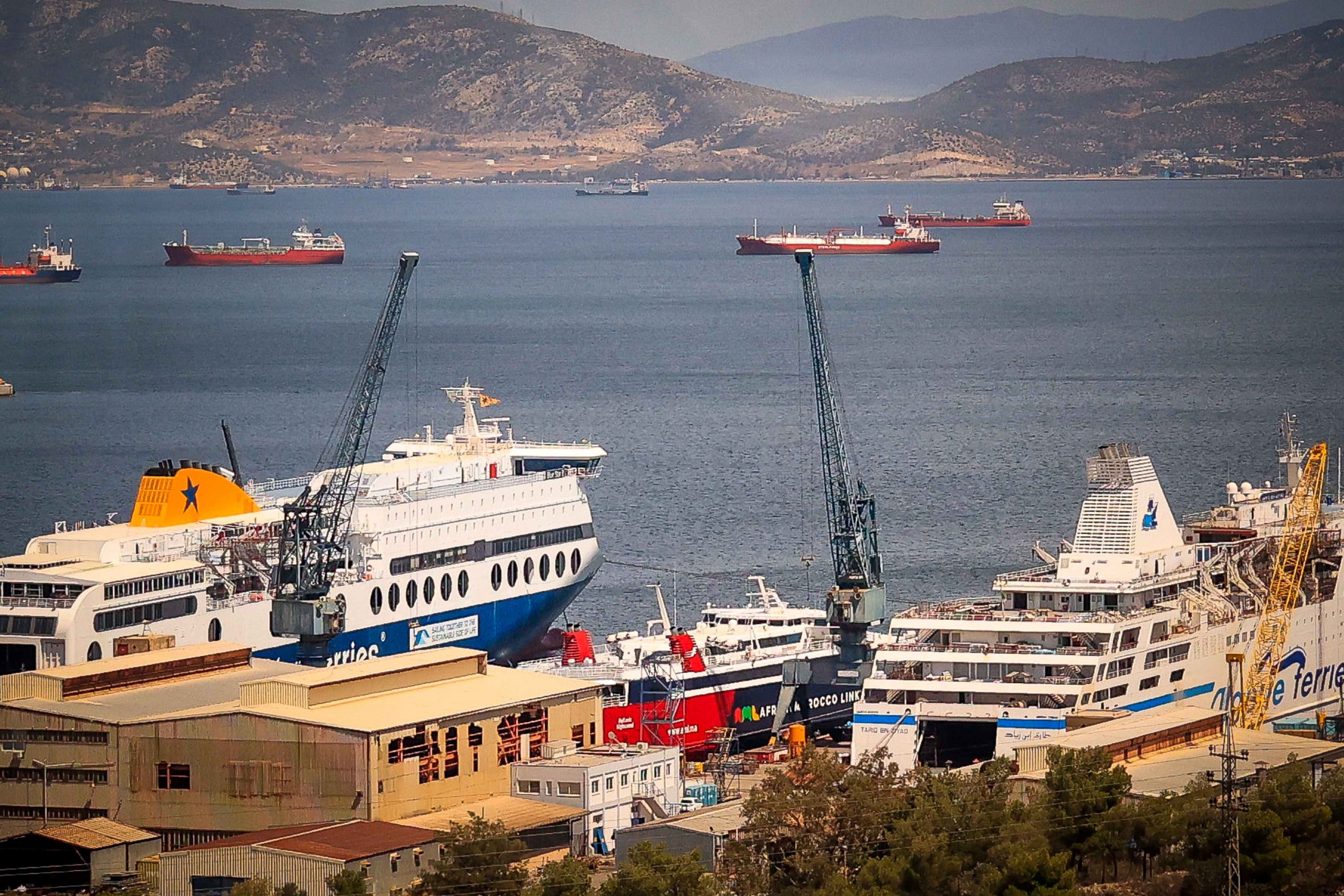
The Elefsina port is heading to tender under the supervision of Greece’s Growthfund, marking a shift for a facility that until recently operated in the shadow of Piraeus. Amidst the geopolitical and economic competition unfolding in the Eastern Mediterranean, Elefsina is emerging as critical infrastructure.
Preparations Underway
According to information obtained by OT, consultants required to run the sub-concession tender for the “new commercial port of Elefsina” are expected to be appointed within February. The goal is for the call for expressions of interest to be launched by the end of March.
As outlined in Growthfund’s 2025 report, the government has decided to proceed with a tender for the sub-concession of part of the land zone at the Vlycha site of the Elefsina Port Authority. As in similar projects, financial, legal and technical advisors will be hired to mature and advance the process.
The Kavala Model
The port development model is expected to mirror that used at the “Philippos II” commercial port in Kavala. In Kavala, there was no share sale, unlike the privatizations of Piraeus, Igoumenitsa, Heraklion and Lavrio. Instead, the investor received a 40-year concession covering the use, operation, maintenance and exploitation of a multipurpose terminal.
The “Dowry” of Elefsina
In practice, the plan amounts to the creation of a new commercial port. The Elefsina Shipyards are inevitably part of this equation, as they control neighboring land of roughly 40 hectares.
A recent legislative initiative by the Ministry of Development paved the way for the upgrade of the Elefsina Shipyards and the expansion of their activities into commercial, transport and port operations. Other private parties also hold land in the area.
ONEX’s development plan, backed by the US Development Finance Corporation (DFC), which is financing the shipyard upgrade with €125 million, foresees an initial investment of around €200 million in port and related infrastructure.
The American Factor
The United States has never hidden its interest in the area, which is located near the port of Piraeus and benefits from rail connectivity.
The new US ambassador to Athens, Kimberly Guilfoyle, has openly stated that Washington believes Chinese influence in Greek port infrastructure should be curtailed, referencing COSCO’s control of Piraeus.
In a recent Bloomberg analysis, Guilfoyle described China’s acquisition of the Piraeus port as “unfortunate” and declared her intention to promote US investment in Greece. “Many are interested in infrastructure here so we can balance Chinese influence,” she said.
A Geopolitical Tender
The acceleration of the Elefsina tender is not an isolated investment move. It is part of the broader US–China strategic rivalry, with Greece at the center due to its geographic position and infrastructure.
For Athens, the challenge is twofold: upgrading Elefsina and boosting the economy of western Attica through logistics development, while managing a delicate balance between major powers so that Greece can capitalize on investment interest without becoming a field of one-sided influence.
Ports are increasingly viewed as critical nodes in global supply chain control- making the stakes as geopolitical as they are economic.
Source: OT