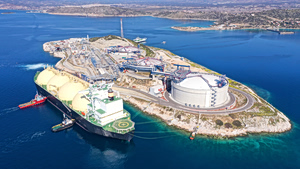
As Europe prepares for the full halt of Russian natural gas flows by the end of 2027, Greece’s liquefied natural gas (LNG) infrastructure is emerging as a strategic pillar in the continent’s next energy chapter.
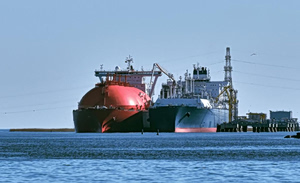
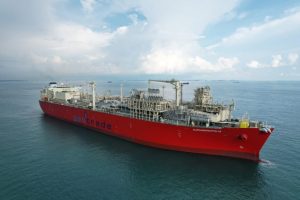
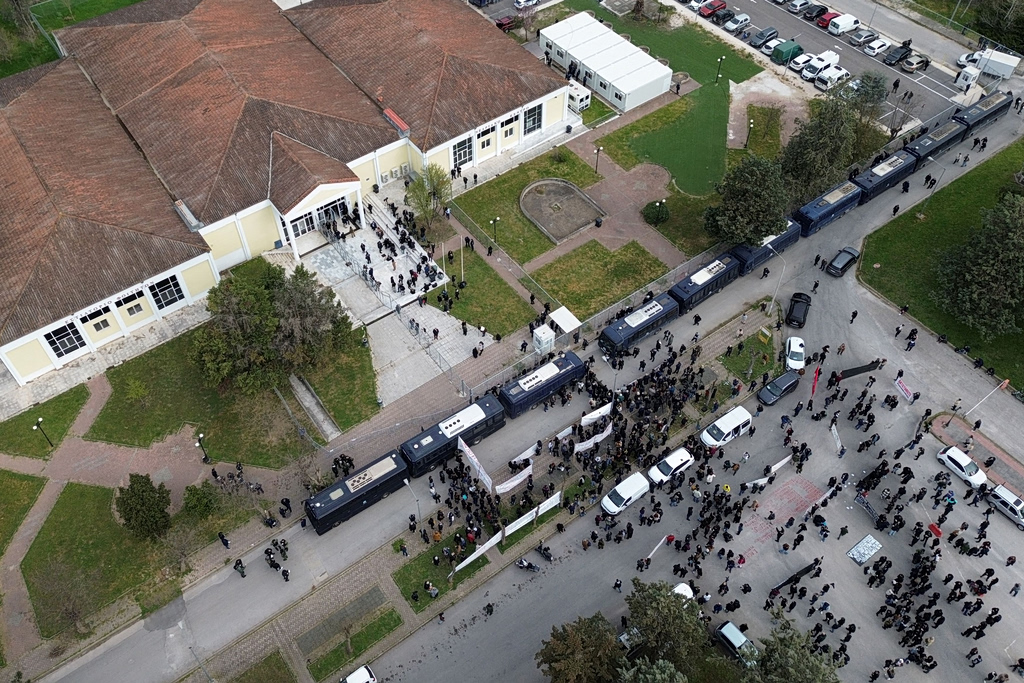
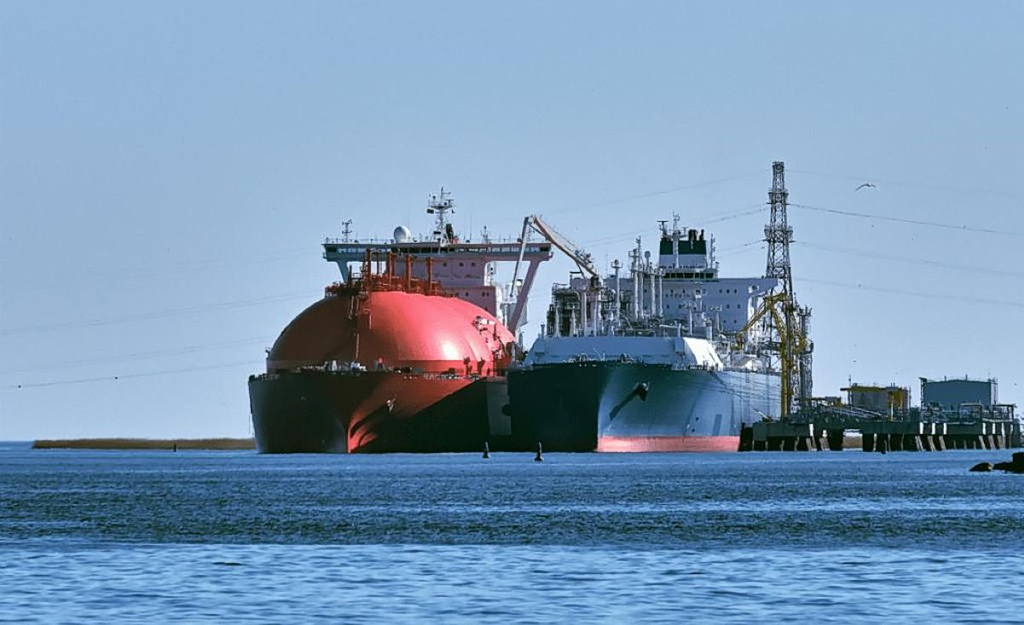
Within the next six months, the European Commission is expected to clarify how it will finance critical energy infrastructure and gas transport projects aimed at filling the supply gap left by Russian gas, according to Konstantinos Sifnaios, managing director of Gastrade. He spoke during a press tour of the Alexandroupolis floating storage and regasification unit (FSRU) in northern Greece.
Mounting Pressure in Brussels and Washington
Sifnaios said pressure is building inside the European Union, particularly from landlocked countries heavily dependent on Russian gas, to accelerate decisions on funding key infrastructure.
At the same time, the United States is pushing to replace Russian volumes with American LNG cargoes, strengthening its footprint in Europe’s future energy mix.
However, EU financial support is not expected to be extended across all gas projects. Instead, funding is likely to be selectively directed toward FSRUs and critical pipeline networks that can increase LNG import capacity and ease bottlenecks in Eastern Europe.
Romania, for example, is moving ahead with pipeline upgrades worth roughly €700 million to reinforce its position in the region’s new supply map.
The Strategic Bet on a Second Greek FSRU
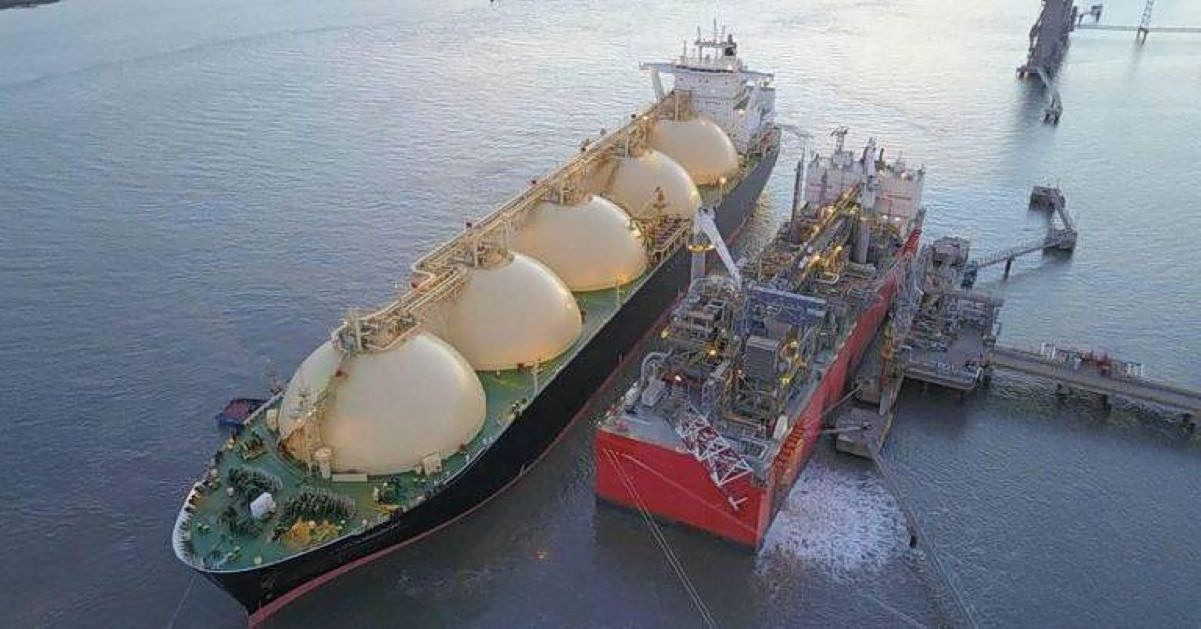
A key project under discussion is a second FSRU planned by Gastrade in the Thracian Sea, near Alexandroupolis in northeastern Greece. The investment is estimated at €550 million to €600 million and has already secured environmental approval from Greece’s Environment and Energy Ministry.
But moving forward depends on securing financing similar to that of the existing Alexandroupolis FSRU, as well as the signing of long-term LNG regasification contracts to underpin revenues.
“These types of infrastructure projects offer relatively limited returns of around 10%,” Sifnaios said, noting that their viability hinges on long-term capacity bookings, stable cash flows and investment visibility.
The existing Alexandroupolis FSRU has an average capacity of 5.5 billion cubic meters per year. The proposed second unit would offer similar capacity, enhancing the flexibility and export potential of the Greek gas system.
If a final investment decision is made by early 2027, the new FSRU could be operational by 2028, Sifnaios said.
A Crucial Washington Meeting
A key milestone is a scheduled meeting on Feb. 24 in Washington involving energy ministers from countries participating in the Vertical Corridor, a north-south gas transmission route linking Greece with Central and Eastern Europe. The meeting will be also attended by U.S. LNG exporters and representatives of the European Commission.
Expected participants include Ditte Juul Jørgensen, director-general for energy at the European Commission, and potentially EU Energy Commissioner Dan Jørgensen. Greece’s energy minister, Stavros Papastavrou, is also expected to attend.
Particular significance is attached to the expected participation of the U.S. International Development Finance Corporation (DFC) and the Export-Import Bank of the United States (Exim Bank), both of which are seen as pivotal to financing and implementing the projects under discussion. Their presence underscores that Washington places the Vertical Corridor high on its strategic agenda, recognizing it as critical to Europe’s energy security.
The two U.S. government-backed institutions, which primarily provide loans and guarantees, could also consider taking equity stakes in select projects aimed at reducing Europe’s reliance on Russian gas, thereby helping to mitigate financial risk.
A 25 bcm Opportunity for Greece
According to Sifnaios, once Russian gas flows fully stop after 2027, Europe could face a supply deficit of around 35 billion cubic meters annually. About 10 bcm is expected to be covered by increased Romanian production, leaving a gap of roughly 25 bcm per year.
“This creates a long-term opportunity for LNG to fill the gap,” Sifnaios said.
For Greece, the opportunity extends beyond supplying gas northward through the Vertical Corridor, including to Ukraine. Sifnaios stressed that Athens should also look toward Central and Western European markets.
The planned Thrace FSRU would primarily serve Central and Eastern European countries such as Hungary, Slovakia, Moldova and Ukraine. It is designed to be located about 9 kilometers offshore, northeast of the existing Alexandroupolis facility, in the same maritime zone.