 Μake us preferred on Google
 Greek authorities and domestic refineries are on heightened alert over the country’s fuel supply, as the ongoing war in the Middle East continues to disrupt global energy markets and raise concerns about shortages.
The conflict’s intensity is already disrupting supplies of petroleum products, especially diesel and aviation fuel. The International Energy Agency (IEA) warns of tightening conditions, noting no new oil cargoes are expected in April, while an estimated 20 million barrels per day have been removed from global supply.
According to market sources, Environment and Energy Minister Stavros Papastavrou is expected to convene a high-level meeting later this week with key energy stakeholders. Representatives from the Regulatory Authority for Waste, Energy and Water, DESFA, IPTO, and executives from the country’s two major refineries, HELLENiQ ENERGY and Motor Oil, will assess the broader energy landscape, with a particular focus on fuel availability, especially diesel.
Despite concerns, refinery sources say diesel and aviation fuel reserves are secured through May. In 2025, Greece consumed 2.95 million metric tons of diesel, 1.7 million tons of aviation fuel, 2.8 million tons of marine fuel, and 881,000 tons of heating oil—well above gasoline consumption, which stood at 2.2 million tons.
Uncertainty remains over how the ongoing conflict and rising European demand will affect supply in the months ahead. With summer nearing, increased demand for diesel and aviation fuel across Greece and the Mediterranean is expected to further strain the market.
Compounding the situation, attacks on refineries have disrupted global production capacity, while supply routes from Gulf countries have become increasingly unreliable.
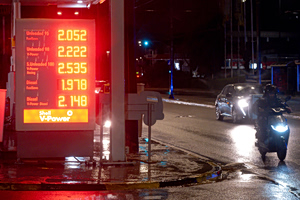
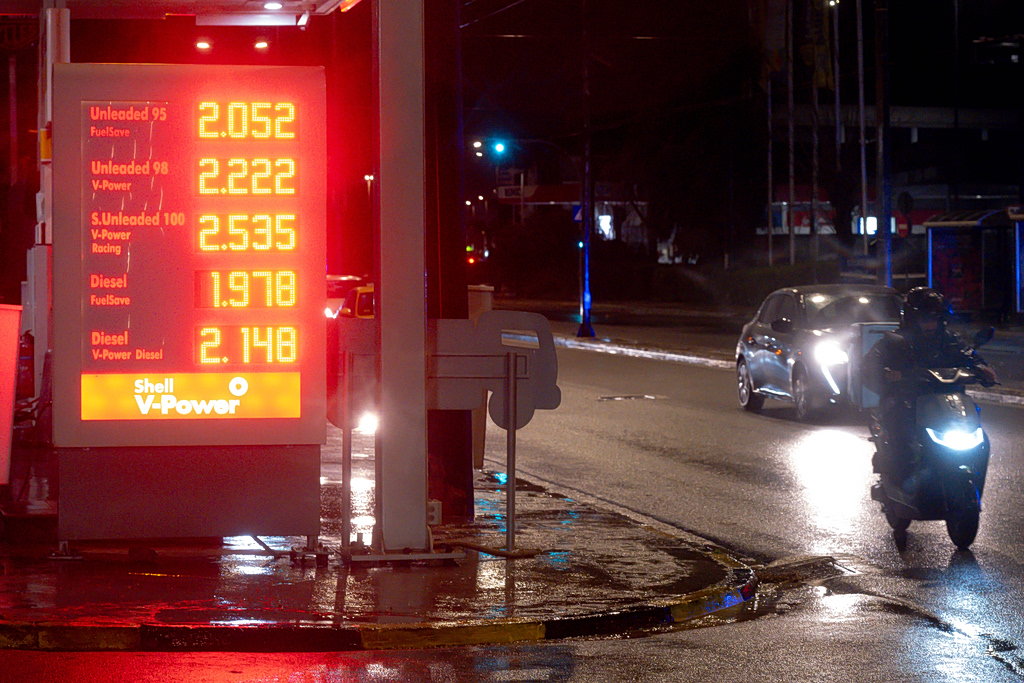
In response, Greece’s two refineries have already moved swiftly to replace crude supplies previously sourced from Iraq, turning instead to alternative suppliers such as Libya and Norway. However, prices remain elevated. Diesel at the pump is currently hovering near 2 euros per liter, despite a government subsidy of 0.20 euros per liter introduced to ease the burden on consumers.
The subsidy is set to run through April, with an extension into May widely considered likely as authorities continue to monitor developments in an increasingly volatile energy landscape.