 Μake us preferred on Google
 Greek shipping interests pursued a selective investment strategy in July, committing to new vessels with deliveries extending into 2030 while selling substantially more secondhand tonnage than they acquired, according to an Allied QuantumSea report.
Greek-linked shipowners placed 19 firm orders for newbuildings during the month, while another three vessels were covered by declared options, bringing the potential total to 22. In the secondhand market, 18 vessels changed hands, with Greek owners selling 14 and buying only four.
The investment pattern varied sharply by market segment. Dry bulk was the only sector in which Greek interests were active in both newbuildings and the secondhand market. Owners placed 10 firm orders for bulk carriers, while four secondhand bulkers were acquired and seven were sold.
Activity in containerships and gas carriers was limited to newbuilding orders. Tankers showed almost the reverse pattern: two MR tankers were ordered, while seven existing tankers were sold and none was acquired.
The secondhand figures underscore the emphasis on fleet disposals. Of the 18 transactions involving Greek-linked vessels, 14 were sales. In dry bulk, seven vessels were sold against four purchases, while all seven tanker transactions involved disposals.
The distribution by vessel size also points to selective capital allocation within the dry-bulk fleet.
Greek owners bought one secondhand vessel and sold two in the Panamax/Kamsarmax segment, covering vessels of roughly 70,000 to 100,000 deadweight tons, without placing a newbuilding order in the category.
At the larger end of the market, three Capesize and larger bulk carriers were sold while six new vessels were ordered. In the Supramax/Ultramax segment, two vessels were sold against four newbuilding orders.
Panamax/Kamsarmax was therefore the only major dry-bulk category to record secondhand activity without a newbuilding commitment during July.
The age profile of the transactions provides a further indication of fleet restructuring. The seven bulk carriers sold were built between 2006 and 2012 and had an average age of about 16 years. The four vessels acquired were built between 2009 and 2017 and had an average age of about 13 years.
Greek owners therefore added secondhand bulk carriers that were, on average, about three years younger than the vessels they sold, suggesting that at least part of the activity represented fleet renewal rather than outright expansion.
The tanker disposals were also concentrated in relatively mature tonnage. The seven tankers sold had an average age of about 12 years, while five of the seven VLCCs were built between 2012 and 2016.
The newbuilding program, meanwhile, is oriented toward the longer term. None of the 19 firm orders is scheduled for delivery in 2026, with the first deliveries expected in 2027-28 and further vessels extending into the end of the decade.
The shadow of Hormuz
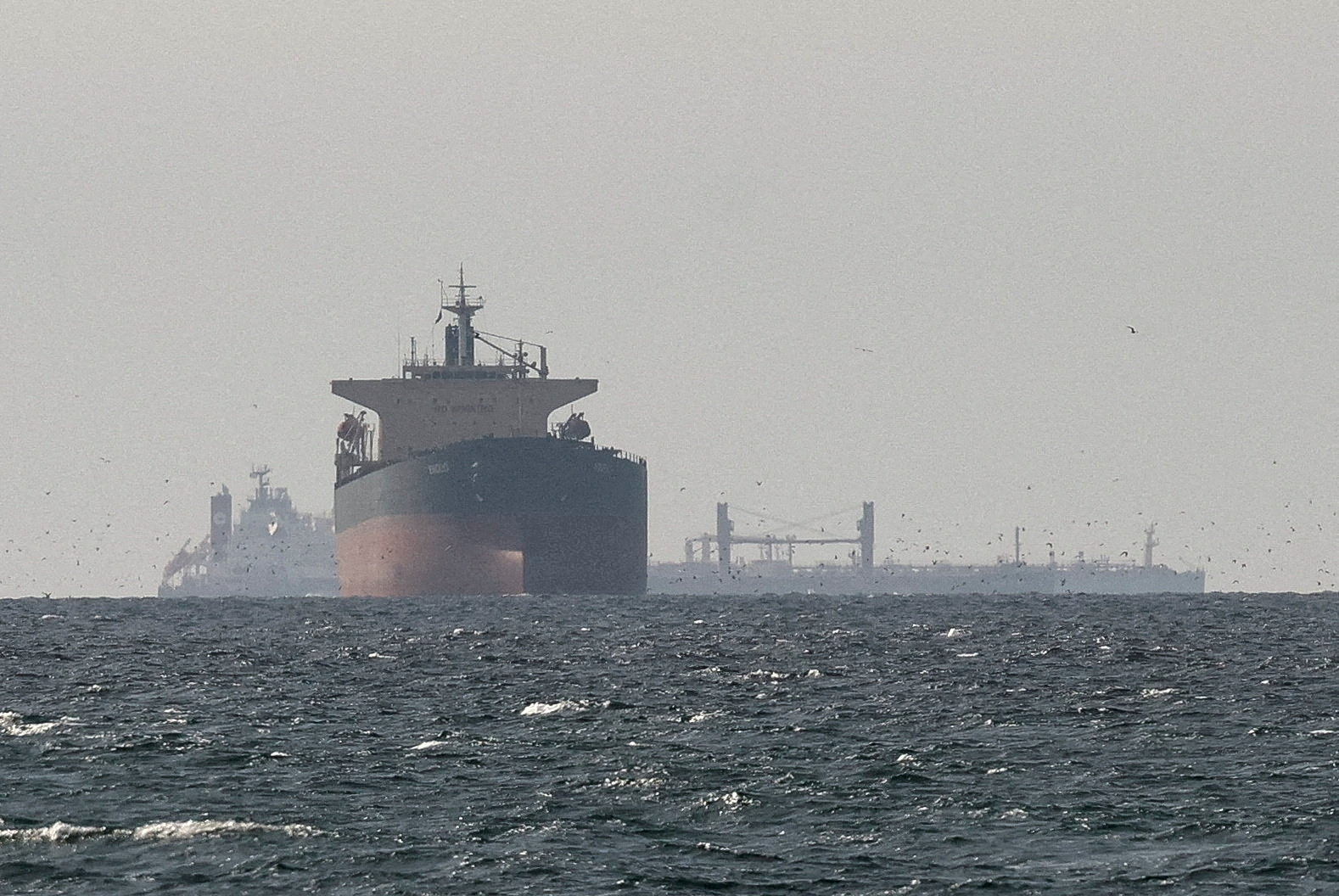
The July pattern takes on added significance against the backdrop of the continuing disruption in the Strait of Hormuz, where vessel traffic has remained well below normal levels. Allied’s market reporting has highlighted the sharp reduction in daily transits since the outbreak of the conflict, leaving tanker operations east of Suez exposed to elevated geopolitical and operational risk.
For Greek shipowners, the contrast between secondhand and newbuilding activity is particularly notable. Tankers were the clearest example: owners used the secondhand market exclusively to reduce exposure through disposals while continuing to place selective newbuilding orders.
At the same time, a larger share of forward capital commitments went into dry bulk and containerships, sectors in which owners are securing tonnage for delivery several years from now.
July’s activity therefore points to a fleet-management strategy built around two timelines. Greek owners are monetizing older vessels in the existing fleet while committing capital to new tonnage for the latter part of the decade, with dry bulk and containerships attracting much of the forward investment.
Rather than signaling a broad retreat from shipping investment, the data indicate a selective reallocation of capital: older assets are being sold, secondhand acquisitions are being made selectively and newbuilding capacity is being secured well ahead of delivery.
The approach gives Greek owners flexibility in the near term while positioning their fleets for changing trade patterns, vessel economics and regulatory requirements over the remainder of the decade.