Freight costs for oil supertankers in the Middle East have climbed to unprecedented levels as the conflict between the United States and Iran disrupts maritime traffic through the Strait of Hormuz, according to shipping data and industry sources cited by Reuters on Tuesday.
The strategic waterway between Iran and Oman — a narrow passage that handles roughly one-fifth of global oil consumption and significant volumes of liquefied natural gas — has seen shipping activity slow to a near standstill after vessels operating in the area were struck amid Iran’s retaliation against U.S. and Israeli actions.
The disruption, coupled with fears that the strait could remain closed for an extended period, has rattled global energy markets. Brent crude futures have risen nearly 10% this week, as multiple oil and gas facilities across the Middle East shut down in response to the escalating hostilities.
VLCC Rates Double in Days
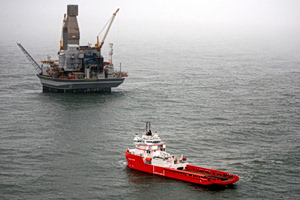
The benchmark TD3 freight rate — which tracks Very Large Crude Carriers, or VLCCs, transporting 2 million barrels of oil from the Middle East to China — reached a historic high on Monday.
According to LSEG data cited by Reuters, the rate surged to Worldscale 419, equivalent to $423,736 per day. That figure marks a doubling from Friday’s level and extends gains from a six-year high recorded last week.
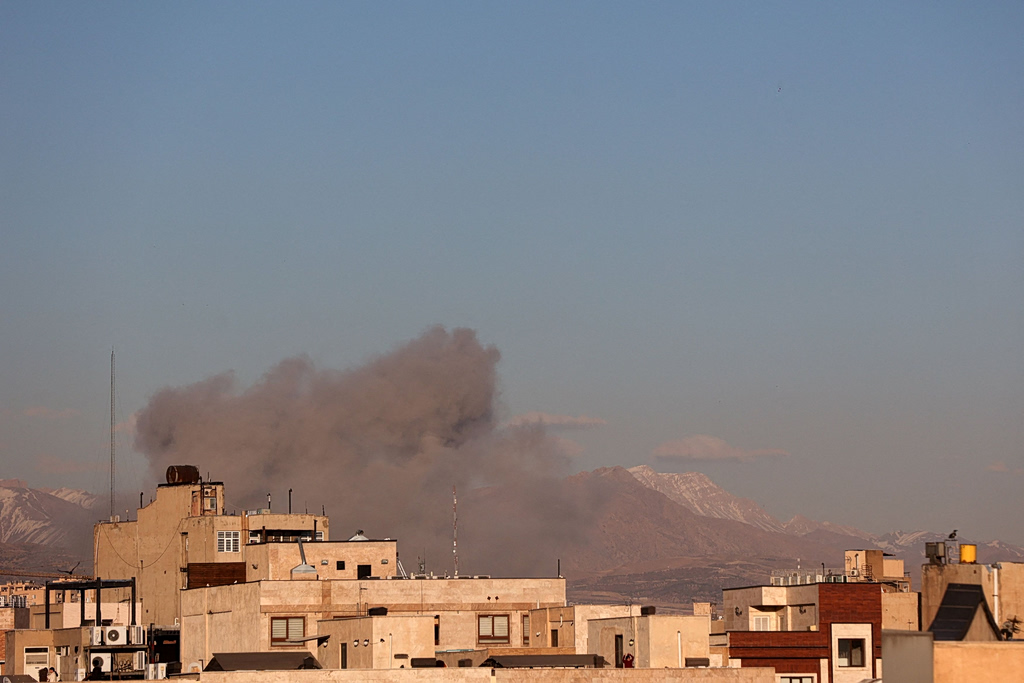
The spike follows U.S. and Israeli strikes on Iran and the killing of Supreme Leader Ayatollah Ali Khamenei on Saturday. Iran has since launched attacks targeting Gulf countries, prompting precautionary shutdowns at oil and natural gas facilities throughout the region.
A senior official from Iran’s Revolutionary Guards said Monday that the Strait of Hormuz had been closed and warned that any vessel attempting to transit the corridor would be fired upon, according to Iranian media reports cited by Reuters.
LNG Shipping Rates Jump More Than 40%
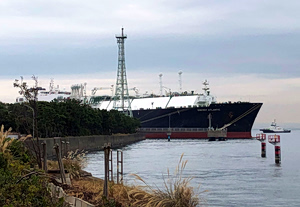
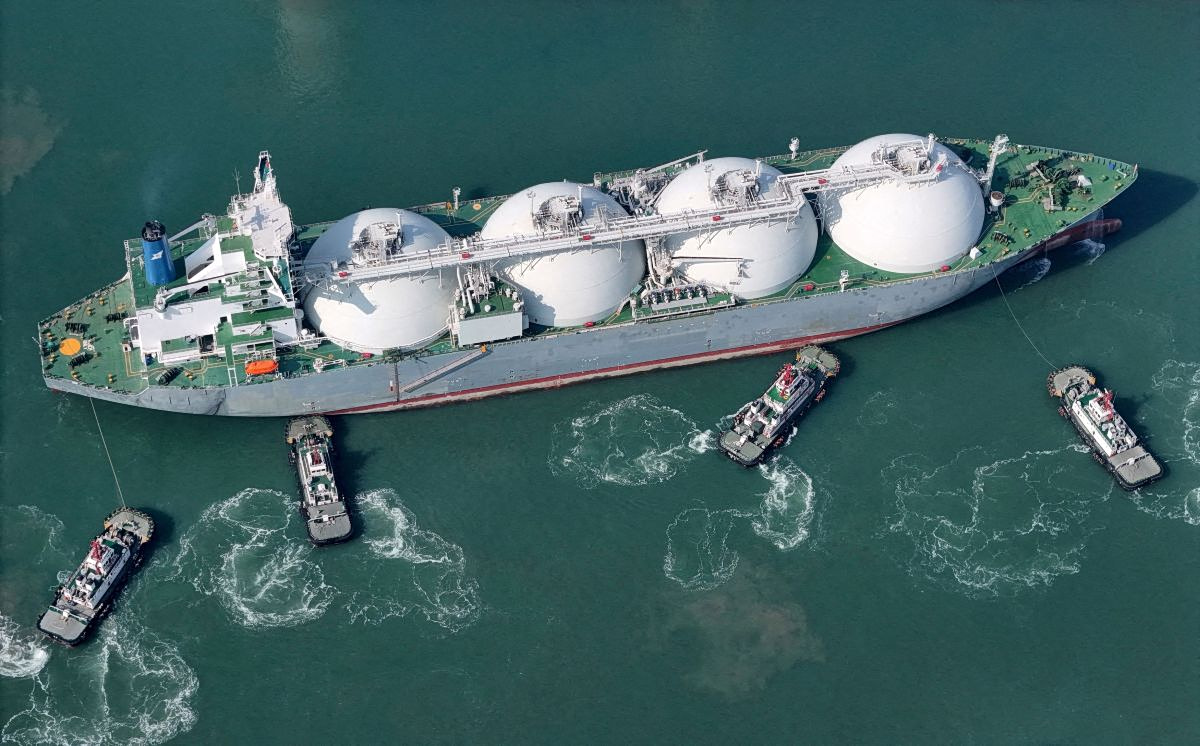
The turmoil has also sent LNG shipping costs sharply higher.
Daily spot rates for LNG carriers jumped more than 40% on Monday after Qatar halted production, Reuters reported. Data from Spark Commodities show Atlantic basin rates rising 43% to $61,500 per day, an increase of $18,750 from Friday. Pacific basin rates climbed 45% to $41,000 per day, up $12,750 over the same period.
Fraser Carson, principal analyst for global LNG at energy consultancy Wood Mackenzie, told Reuters that limited vessel availability could push daily LNG shipping rates above $100,000 this week.
“Vessel availability for the rest of March is considered weak as cargo operators try to work through the backlog created by weather disruptions during February,” Carson said, adding that competition for available ships is expected to intensify.
He noted that shipping activity is likely to remain subdued until safe passage through the Strait of Hormuz can be guaranteed.
Regional Ripple Effects
Assessing freight rates in the Gulf has become increasingly difficult, an oil shipbroker told Reuters, as several shipowners have suspended operations indefinitely.
Meanwhile, bunker fuel sales at Fujairah — one of the world’s key refueling hubs in the United Arab Emirates — have slowed as supply disruptions push prices higher and potentially redirect demand to alternative ports such as Singapore.
South Korean shipping company Hyundai Glovis said Tuesday it is preparing contingency measures, including securing alternative routes and ports, as uncertainty in the region deepens.