
Analysts indicated on Sunday that oil prices were expected to rise further on Monday, after closing before the weekend at their highest level in nearly four years, amid escalating threats between the United States and Iran targeting energy infrastructure.
U.S. President Donald Trump was reported to have warned on Saturday that he would “eliminate” Iran’s power generation facilities unless Tehran fully reopened the Strait of Hormuz within 48 hours—marking a significant escalation just a day after he had spoken of ending the conflict, now entering its fourth week.
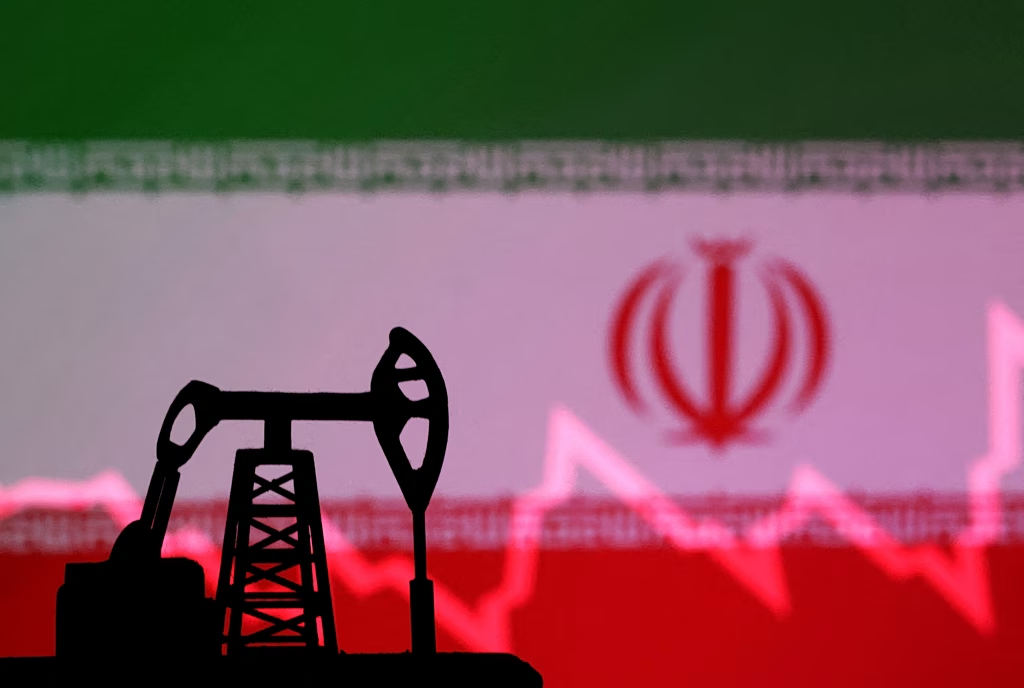
Iran, for its part, signaled on Sunday that it would strike infrastructure linked to the United States, including energy and desalination facilities across the Gulf, should Washington follow through on its threat. According to market data, Brent crude futures for May rose 3.26% on Friday to $112.19 per barrel, the highest level since July 2022.
Speaking to Reuters, IG market analyst Tony Sycamore was quoted as saying that President Trump’s warning had effectively placed “a 48-hour ticking time bomb of heightened uncertainty” on global markets. He suggested that unless the ultimatum were withdrawn, oil prices could spike sharply when trading resumed.
Amrita Sen, founder of Energy Aspects, was also cited as warning that the situation clearly pointed to further escalation and, consequently, higher oil prices, while cautioning that assumptions Iran might back down were misplaced. She added that Trump appeared intent on demonstrating his willingness to outpace escalation, a strategy she argued could leave Gulf infrastructure severely damaged.
Escalation Across the Gulf
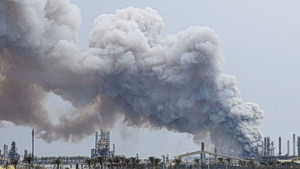
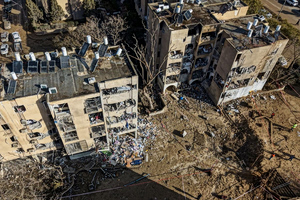
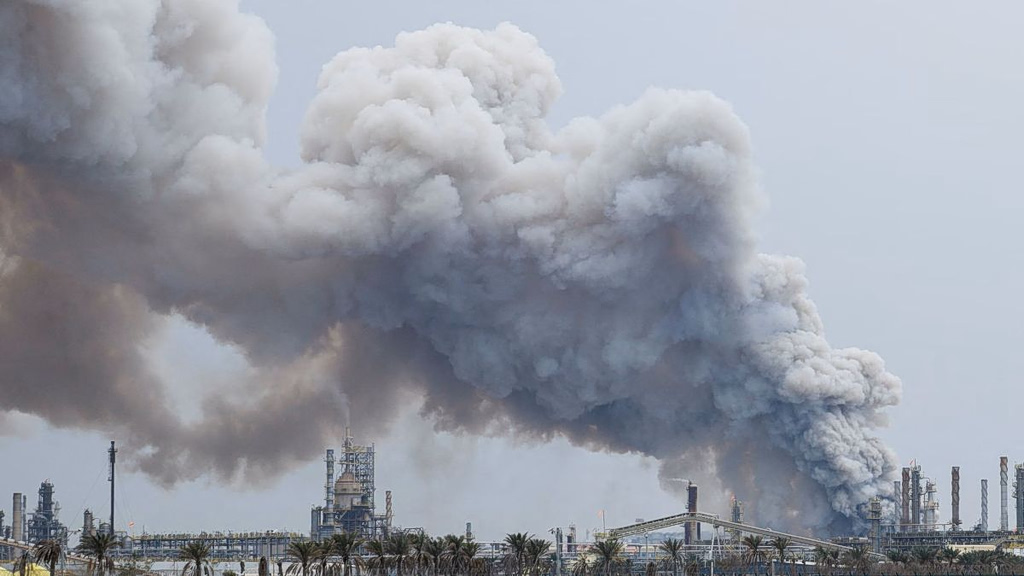
Iran was reported to have already carried out retaliatory strikes on ports and refineries in Saudi Arabia, Kuwait, Bahrain, the United Arab Emirates, and Qatar, following attacks on its own infrastructure. The partial closure of the Strait of Hormuz was said to have resulted in the loss of roughly four full days of global oil supply—equivalent to about 440 million barrels—over the 22 days of conflict so far.
Tehran, however, was understood to have refrained from targeting major desalination plants in Saudi Arabia and the UAE, which supply water to millions. According to the Atlantic Council, extensive damage to such facilities could render some Gulf cities uninhabitable within weeks, potentially triggering mass evacuations and cascading power outages.
Market performance reflected the volatility: Brent crude rose approximately 8.8% over the past week, while front-month WTI edged down about 0.4% compared with the previous Friday’s close. The discount of WTI relative to Brent widened to its largest level in 11 years on Wednesday.
Meanwhile, Fatih Birol, head of the International Energy Agency, told the Financial Times that restoring oil supply flows from the Middle East Gulf could take up to six months.