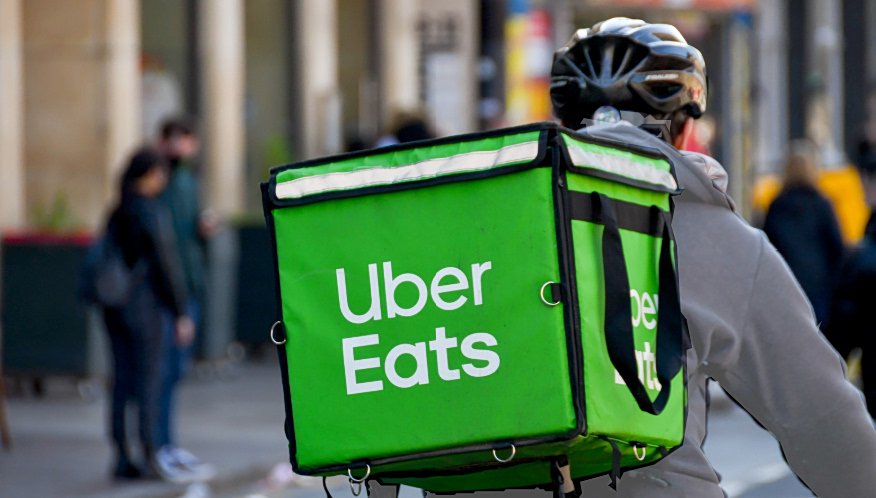
Uber Eats is preparing to enter the Greek delivery market in 2026 and the Greece is watching with interest.
According to a senior executive of the American giant, Greece has been included in the expansion plan into seven new European markets, a development that has already sparked discussions, with some wondering how exactly the development plan will unfold.
This is because Greece is now a mature market, with players who have invested tens of millions of euros to expand their customer base.
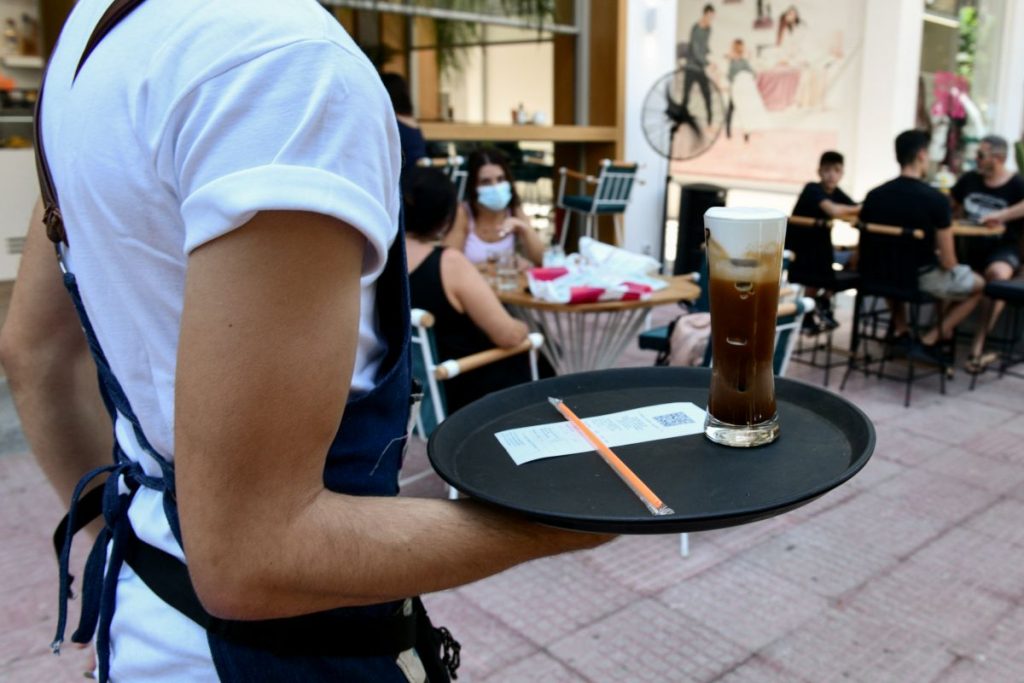
The ready-to-eat food and coffee market through delivery is estimated to approach or exceed €1.5 billion annually.
NEWSLETTER TABLE TALK
Never miss a story.
Subscribe now.
The most important news & topics every week in your inbox.
Companies such as efood, Wolt and BOX have already built strong networks, have educated the consumer and—most importantly—have shaped a new consumption model.
Uber Eats and the delivery market
The first analysis is that the American company is not coming to create new demand, but to take share from the existing pie. Food delivery in Greece is no longer a supplementary activity for restaurants. It is an autonomous ecosystem, with tens of thousands of partner businesses and millions of orders per month.
Market players point out that every new entry creates pressure on commissions. Restaurants gain more options and couriers more platforms.
The ready-to-eat food and coffee delivery market is operating at very high levels, with estimates referring to total turnover (including traditional delivery) that approaches or exceeds €1.5 billion annually.
efood, under Delivery Hero, maintains a leading position with more than 20,000 partners. Wolt, following its acquisition by DoorDash, has the financial strength of a global giant. And BOX, with the backing of Cosmote, leverages the telecommunications ecosystem and its customer base.
Uber’s advantage
According to FT reporting, Uber intends to leverage the fact that it is an established platform for transportation, logistics and subscription services. This means it is not starting from zero. It already has users, drivers, data and—most importantly—an application installed on many mobile phones.
A customer who uses Uber for transportation is estimated to be more likely to also order food. The Uber One subscription may offer discounts on both.
Pressure on commissions
Market sources note that every new entry creates pressure on commissions. Restaurants gain more options and couriers more platforms. And the balances are redefined. Platforms do not compete only for the customer; they compete over who will control the network.
In other words, Uber’s entry into food delivery will make the market more competitive—and more expensive for the players themselves.
The existing players
efood, Wolt and BOX have already invested significant capital to consolidate their positions. They have infrastructure, subscription programs and strong brand recognition. And, above all, they have experience. Uber’s entry is estimated to act as a catalyst and accelerate investments.
It is considered certain that it will strengthen offers and compress margins. In other words, it will make the market more competitive—and more expensive for the players themselves.