 Μake us preferred on Google
 Less than half an hour was enough for a Greek-American meeting on arms procurement, scheduled at the last minute, on Wednesday, October 7, on the sidelines of US Secretary of State Marco Rubio’s visit to Athens. Time was limited, but what was discussed was of real substance.
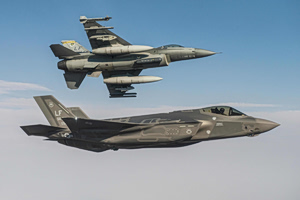
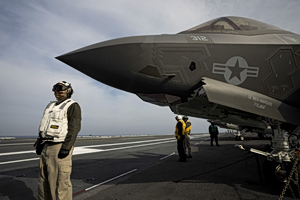
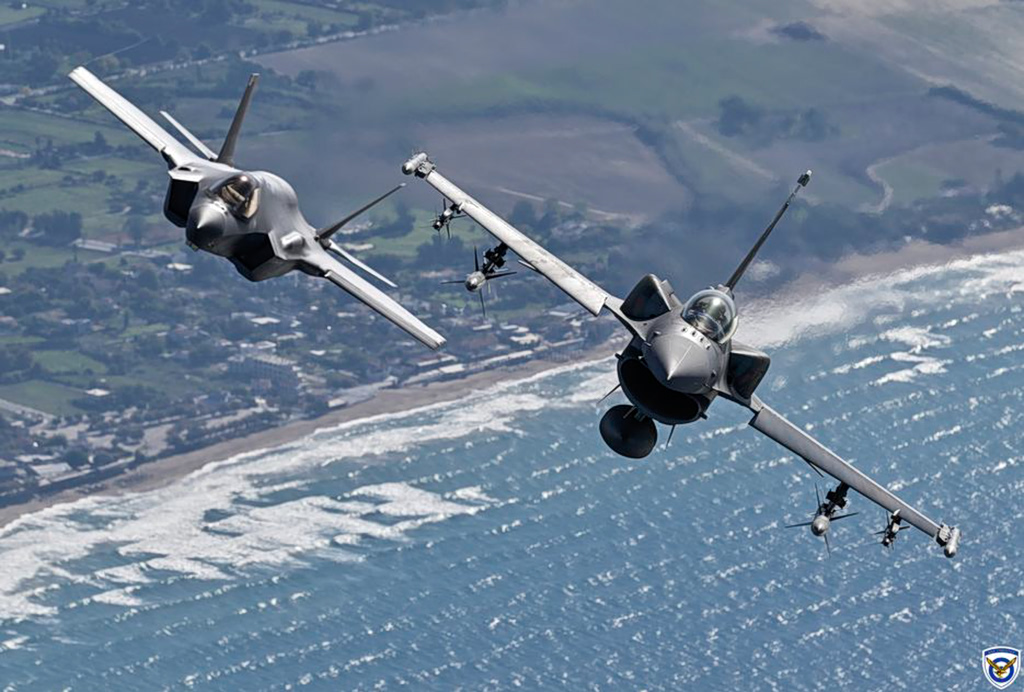
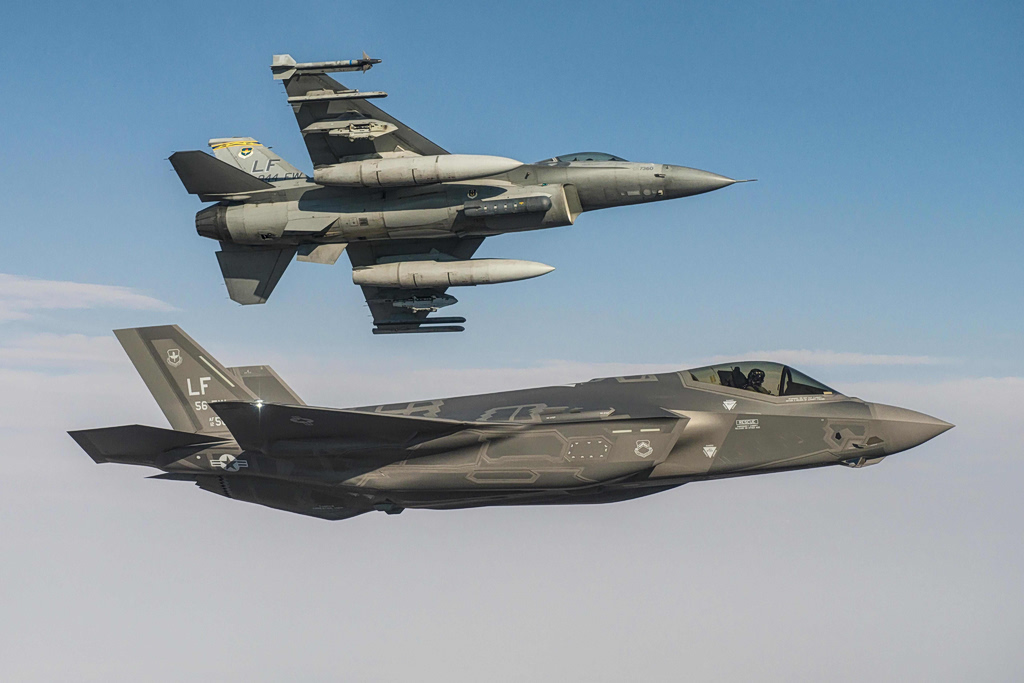
Behind the $4 billion package outlined in the joint statement rest already planned expenditures, contacts that took place beforehand, and Greek requests on which Washington has not yet shown its hand. According to information obtained by To Vima International Edition, the most critical issue concerns the weapons for the F-35 and F-16V: which weapon systems will be released to Greece for these aircraft, at what cost, and when.
The Contacts
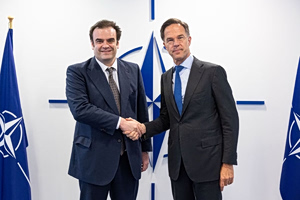
The makeup of the delegations reflected the importance of the meeting. On the American side, a senior Pentagon official and two of his aides took part. The Ministry of National Defense was represented by Ambassador Emeritus Michail Spinellis, Director General for National Defense Policy and International Relations at the ministry, the directors of the C and D Branches of the Hellenic National Defense General Staff, and Major General Ioannis Bouras, head of the General Directorate for Defense Armaments and Investments. Also present was Pantelis Tzortzakis, CEO of the Hellenic Centre for Defence Innovation (ELKAK), on his last “mission” before the changes to ELKAK’s administrative structure a few hours later.
According to a source with knowledge of the process, as early as Thursday, October 1, there was talk within the Defense Ministry that representatives of the Pentagon would ultimately join the American delegation.
The next day, Friday, October 2, National Defense Minister Nikos Dendias met with the US Ambassador to Athens, Kimberly Guilfoyle. Contacts continued over the weekend, leading to Wednesday’s bilateral meeting.
One critical detail about the package needs to be clarified: The $4 billion does not concern new programs but spending that has already been budgeted in the current Long-Term Defense Procurement Program (MPAE). The case of the weapons for the F-16 Viper and the F-35 is a good example.
According to reliable information obtained by To Vima International Edition, on Thursday, October 8, one day after the meeting, the Hellenic Air Force General Staff sent the US an LOR P&A (Letter of Request for Price and Availability). This asks for clarification on which systems can be released to Greece, in what quantities, with what delivery times, and at what cost.
A budget slightly above €1 billion has been set aside for this procurement. The final amount, however, will depend on the American responses. Athens is still exploring the terms for acquiring the weapons. Therefore, reports of an imminent American “green light” do not amount to a completed release, much less an agreed purchase.
The Missiles
The Greek list includes JASSM-ER long-range strike missiles, AIM-120D AMRAAMs and the newer AIM-260 JATMs for air combat, as well as AIM-9X, Harpoon and StormBreaker missiles. For staff officers at the Defense Ministry, the AIM-260 is a priority, although it should be noted that its research and development (R&D) was classified above “top secret,” a sign of its capabilities. It remains to be seen whether the US is open to offering Greece a missile that on its own could change the balance of power in the Aegean.
The $4 billion package is not limited to new weapons. It also includes upgrading the F-16 Block 50s to the Viper configuration and support for aircraft (F-16 Block 30) as well as for US-made helicopters, both those already delivered and those still pending. It should be clarified here that although the LOA from the US for the Block 50s was expected by September 30, it will be delayed, as a significant gap has emerged between the amount Greece can pay (around €1 billion) and US demands.
The focus now shifts from political contacts to the individual files and the expected responses from Washington. That is where it will be decided which part of the $4 billion will turn into contracts, when they will be carried out, and whether the Greek defense industry will gain a meaningful role or remain limited to the wording of joint statements.