 Μake us preferred on Google
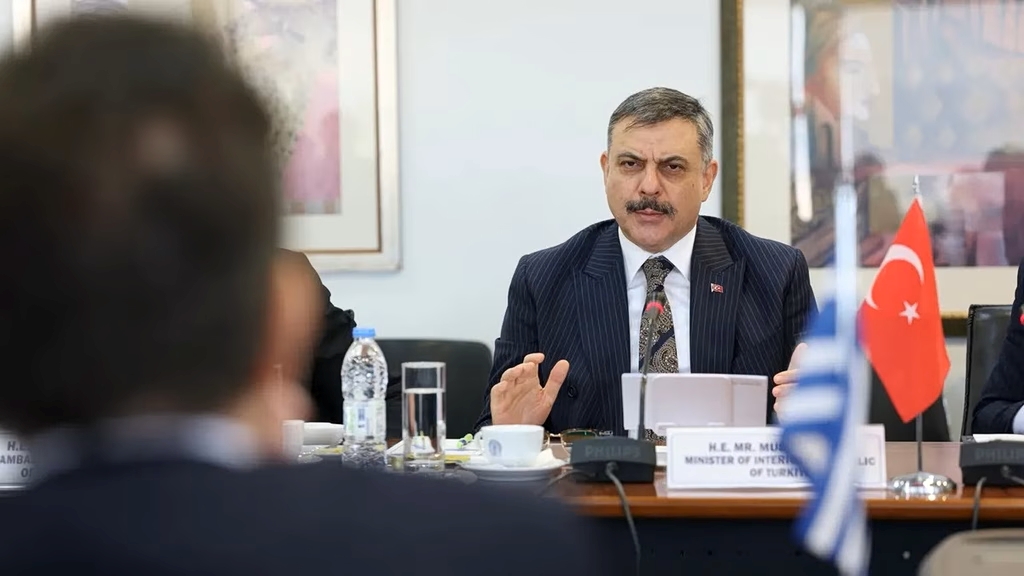
 Ciftci delivered the message during meetings in Athens with Greek officials, arguing that suspects held in Greece had, in some instances, maintained contact with their crime rings in Turkey and continued coordinating illegal activities.
“Dear colleague, we believe that many people holding positions as leaders, commanders and members of various criminal organizations operating in your country are present in Greece,” Ciftci said, according to Turkish media. He added that some allegedly continued communicating with their organizations even while detained.
The Turkish minister called for faster extradition procedures, saying the return of wanted individuals would demonstrate that Greece could not serve as a safe haven for people involved in criminal activity.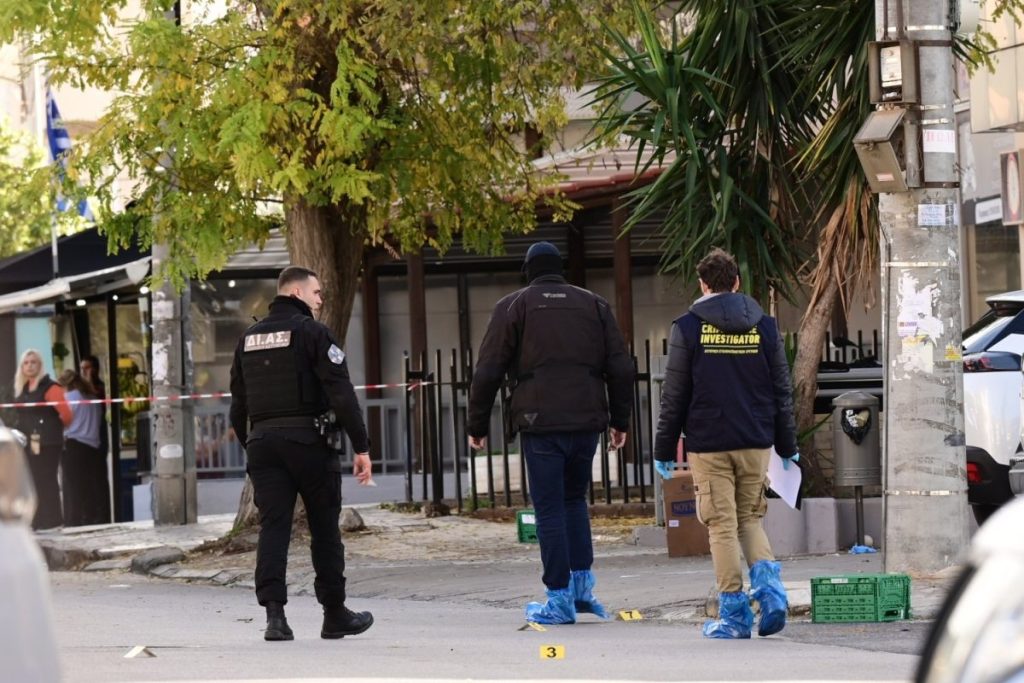
Greek proposal for Interpol Red Notices
The talks came as Greece sought stronger cooperation with Turkey against cross-border criminal networks operating.
Greek Citizen Protection Minister Michalis Chrysochoidis proposed that Turkish authorities issue Interpol Red Notices for suspects wanted under Turkish arrest warrants, enabling Greek police to identify and arrest them more quickly and facilitate their handover to Turkish authorities.
Chrysochoidis also called for the resumption of regular meetings between experts at the land border and stronger cooperation through the joint contact centre at the Kapitan Andreevo site on the Bulgaria-Turkey border. The two sides discussed organized crime, human trafficking and migration management, with a trilateral meeting on migration-related issues scheduled to take place in Turkey in November.
Press reports claim close Imamoglu associate detained in Greece
The discussions coincided with reports in both Turkish and Greek media on Friday that authorities had detained Turkish businessman Murat Gülibrahimoğlu, a fugitive defendant in a major case concerning alleged corruption in Istanbul’s metropolitan municipality linked with deposed – and now jailed – mayor Ekrem Imamoglu, a political rival to Turkish President Recep Tayyip Erdogan.
Turkish media reported that Gülibrahimoğlu was taken into custody in Greece on Oct. 2 and that Turkish authorities had initiated proceedings to secure his extradition. He is accused in the indictment of playing a central role in the alleged criminal organization and of involvement in fraud against public institutions and money laundering. The allegations include claims of illicit profits amounting to about 180 billion Turkish lira, much of it allegedly connected to the Cebeci excavation and landfill site in greater Istanbul.
Gülibrahimoğlu has been described in pro-government Turkish media as an alleged financial intermediary for Imamoglu and his associates. These are allegations in an ongoing judicial case, not established findings of guilt. The extradition process remains subject to the relevant legal procedures.
Turkish criminal networks in Greece
The issue comes amid a series of Greek police operations over the past year targeting Turkish nationals suspected of involvement in organized crime, including drug and weapons trafficking, forged documents and violent disputes between rival groups.
In May 2026, Greek authorities broke up an alleged weapons-smuggling network in northeastern Greece and seized 25 untraceable pistols believed to have been destined for criminal organizations operating in Turkey.
In March, four Turkish nationals were detained following a shooting in Nea Makri, east of Athens, which police suspected was linked to a dispute between rival groups. Earlier operations in Athens, Thessaloniki and Halkidiki resulted in arrests of alleged gang members, including a man described by Greek media as a senior figure in the Duran criminal organization.
The most serious example of Turkish gang violence spilling into Greece was the Sept. 11, 2023, gangland-style slaying of six Turkish nationals in Artemida (Loutsa), eastern Attica prefecture, in what Greek police suspected was a settling of scores between rival Turkish criminal organizations.
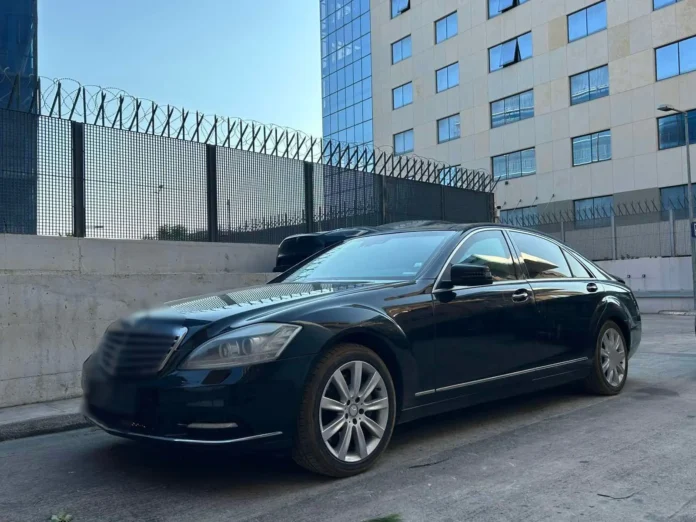
The victims, aged around 20 to 30, were members of the “Dalton gang”, associated with Turkish fugitive Barış Boyun, and were shot repeatedly while sitting in a car with German license plates in an isolated cul-de-sac. Investigators suspected a rival group, reportedly the Red Kits, was behind the attack.
Two Turkish nationals were arrested in connection with the killings, with investigators examining whether one suspect had helped lure the victims into a trap and passed information to the gunmen.