 Μake us preferred on Google
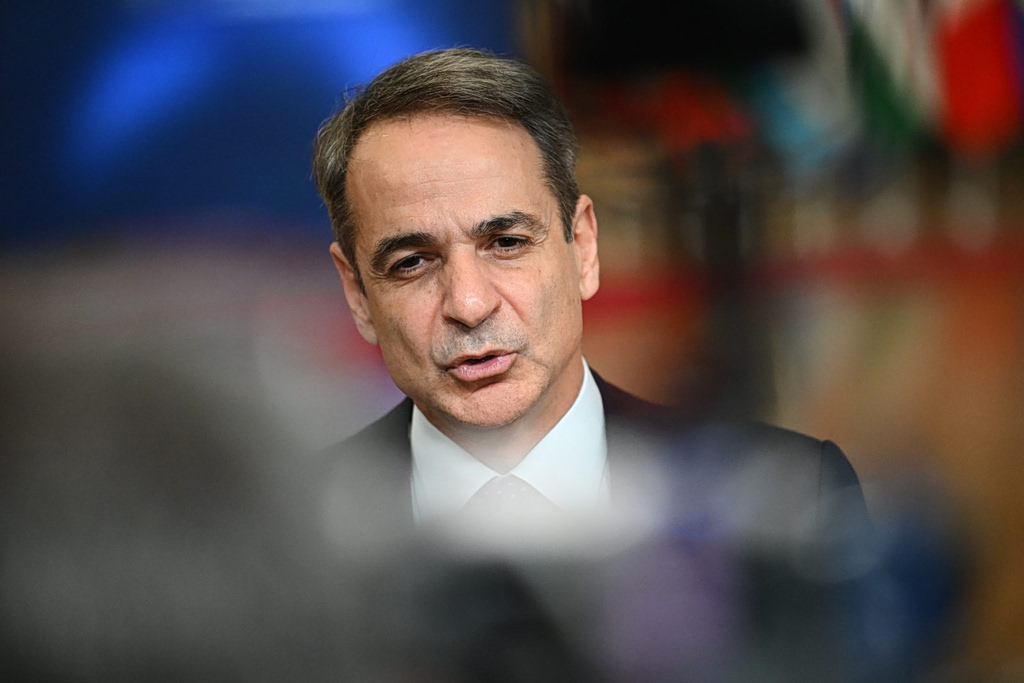
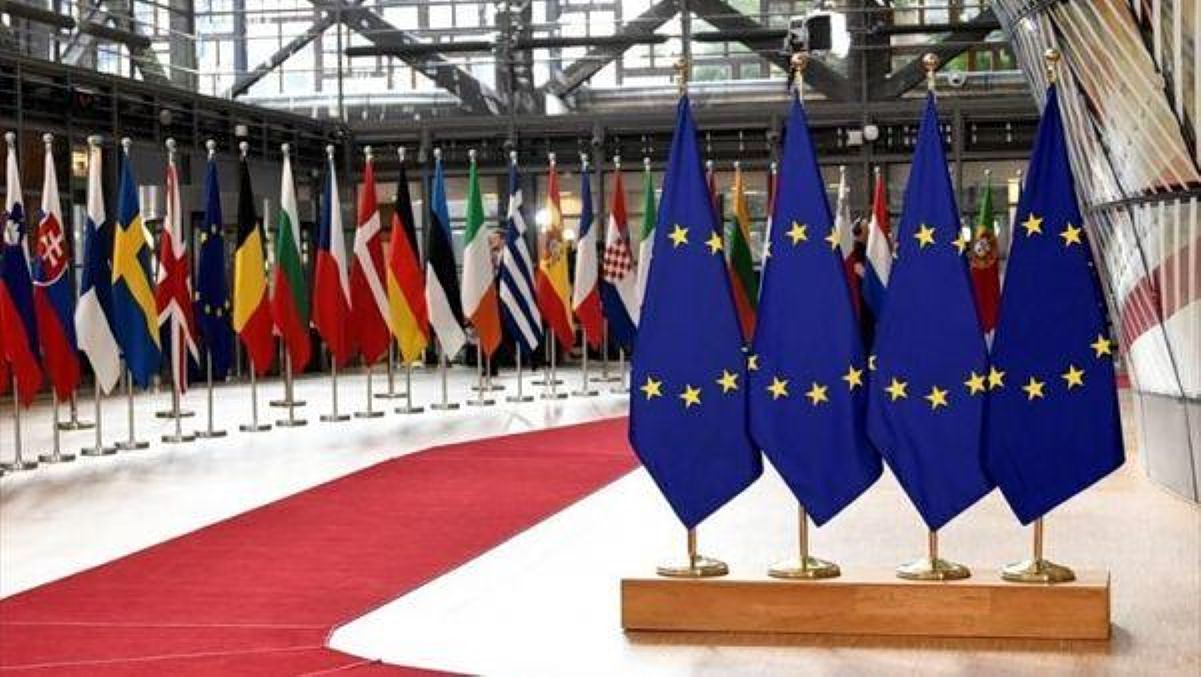
 An informal European Union summit focused on competitiveness and the strengthening of the Single Market is taking place in Belgium on Thursday, Feb. 12.
The 27 EU heads of state and government have gathered at the Alden Biesen castle in Belgium to examine how the bloc can reinforce its economic strength by simplifying legislation, deepening the Single Market and reducing strategic dependencies on third countries.
The Summit Agenda
European Council President António Costa has stressed that, “in today’s geopolitical environment, strengthening the Single Market is more than ever an urgent strategic imperative.” EU officials underline that the aim is not to reinvent policy but to accelerate and reinforce initiatives already under way to simplify regulations and diversify trade relations, while also assessing the need for protective instruments in particularly sensitive sectors.
Costa has invited former European Central Bank President Mario Draghi and former Italian Prime Minister Enrico Letta to present their respective visions for Europe’s competitiveness. Their reports in 2024 sharply highlighted the structural and bureaucratic obstacles within the Single Market, as well as the EU’s external dependencies, sparking a debate that continues today.
Although no final communiqué or new EU strategy is expected, leaders are likely to commit to simplifying legislation, easing business burdens and boosting innovation funding, especially for SMEs, by mobilising more private capital.
Momentum for Enhanced Cooperation
Momentum is also growing for diversifying trade partnerships and financing large-scale European projects, potentially allowing groups of willing member states to move ahead through “enhanced cooperation” if EU-wide consensus proves elusive — a possibility highlighted by Commission President Ursula von der Leyen and echoed by French President Emmanuel Macron.
Von der Leyen has also floated a “European preference” approach, encouraging companies receiving public funding to source equipment and technology from European industries to strengthen strategic autonomy. Macron has gone further, calling for joint EU borrowing, including eurobonds, to fund investments in defense, AI, and the green and digital transitions, warning that Europe risks falling behind the US and China without stronger common financial tools.
Yet divisions remain over how to reach these goals. While member states agree on boosting competitiveness, differences persist over the means, as reflected in a “mini-summit” led by Italy, Germany and Belgium, including Greece, whose joint paper urges caution over any “European preference” measures, saying they should remain limited and aligned with the EU’s broader trade commitments.