Speculation over the timing of Greece’s next national elections is quietly intensifying inside government circles, even as officials publicly insist that the vote will take place in 2027. Privately, that position is losing ground, especially in the aftermath of the latest round of revelations implicating to varying degrees 11 New Democracy lawmakers in the OPEKEPE farm subsidy scandal.
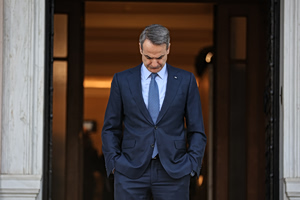
Senior figures in the ruling party are now engaged in active discussions about whether the government should call for early elections. These conversations are taking place behind closed doors, in ministerial offices and at the highest levels of government. The Prime Minister, according to sources quoted by TO BHMA, is participating in some of these discussions but he is not revealing his intentions. As things stand no decisions have been made, while several scenarios are being examined.
The Timing
At this stage, an immediate election appears less likely, largely due to pending legal developments linked to the OPEKEPE agricultural subsidy case under investigation by European prosecutors (EPPO). However, alternative scenarios, such as calling for elections in June or October, are being considered, with autumn increasingly seen as the most plausible window.
Party insiders have described the situation as fluid, while most MPs and officials unwilling to coming to a specific timeline, because of the rapidly changing political and geopolitical environment. According to sources quoted by TO BHMA, much will depend on how the next few weeks will develop.
One of the key moments this week will be a special parliamentary debate on the rule of law that is expected to bring renewed focus to surveillance allegations and the Predator scandal that has rocked the governing party. The case involves allegations that spyware was deployed to monitor journalists and political figures, including the leader of opposition Nikos Androulakis, who has called for this debate.
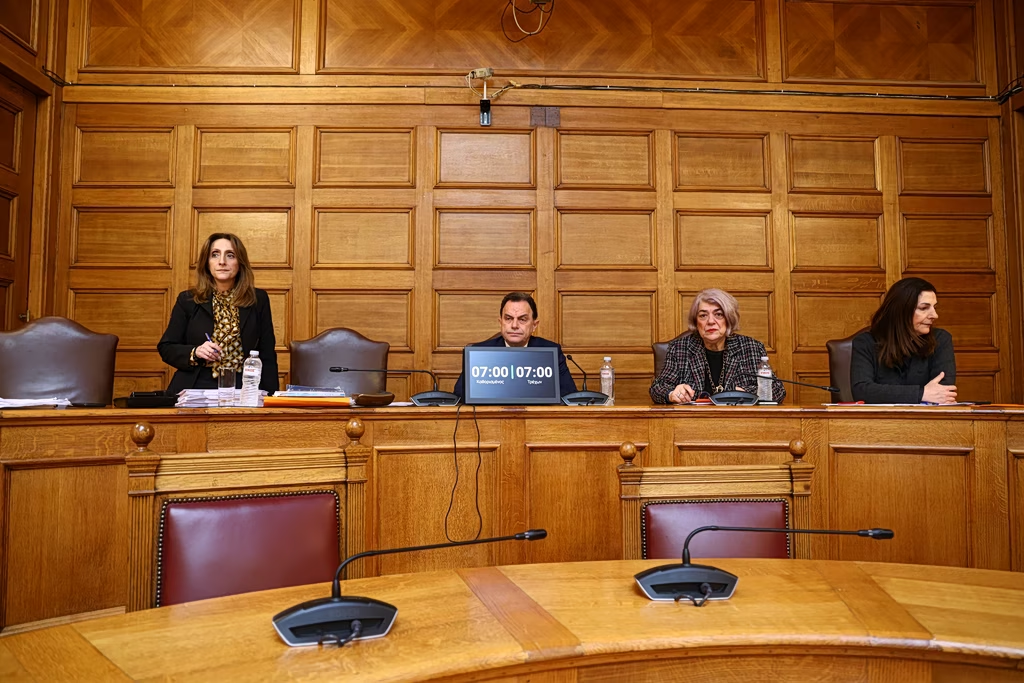
In the coming weeks, another special plenary session will take place. This time MPs will vote to lift the immunity of the 11 New Democracy lawmakers, that have been named in the EPPO investigation on agricultural subsidies. There will also be a special procedurerelated to article 86 of the Greek constitution, in order to lift the immunity of former ministers Fotini Arampatzi and Spilios Livanos.
Balancing politics and the economy
The timing of any election will ultimately reflect a complex equation that has to take into consideration political calculations, economic conditions, geopolitical developments and public sentiment.
Several institutional deadlines further complicate the picture. Greece must appoint new judicial leadership by June 30. Furthermore key milestones tied to the EU Recovery and Resilience Facility (RRF) must be completed by the same date, with a final deadline set for August 31, 2026. The European Commission has made clear that no extensions will be granted.
These constraints limit the government’s room for maneuver.
Polls show mixed signals
Proponents of calling early elections argue that despite the numerous scandal engulfing the government, current political conditions still favor the ruling party.
They point to its lead in opinion polls and to the fragmented state of the opposition, which has so far struggled to present a credible alternative. However, recent polling suggests that the government’s upward momentum may be slowing down. In one of the latest public opinion surveys, that was conducted before the latest OPEKEPE case files landed in Parliament, the government’s war-bump due to the Middle East conflict, had all but disappeared. In the most recent polls government support is starting to show early signs of a potential decline.
A clearer assessment is expected in the coming days and weeks, as Greeks return from the annual Easter holidays. One of the main concerns for the administration is the ever-rising cost of living in Greece. The economic impact of the US-Israeli military escapades in Iran have hit consumers hard, who see energy prices climbing higher, and supermarket prices following suit.
The element of surprise: Arguments for an early vote
Some within the government believe that calling elections sooner rather than later could help preserve its political advantage.
They argue that an early election could limit the opposition’s ability to prepare and capitalize on existing divisions. They also note that recent moves by opposition figures suggest that preparations are already underway.
Former prime minister Alexis Tsipras is among the figures that have indicated that his planning is geared toward a fall election, although he has stated that he is ready to contest a vote whenever it is called.
At the same time, the former PM remains at odds with his former allies in SYRIZA and the New Left. It remains unclear whether they will run jointly or against each other in the next election.
Concerns over political risks
Other officials caution against rushing into an early election. They warn that such a move could be interpreted as politically opportunistic and could undermine the government’s message of stability, which remains important for both voters and financial markets. Uncertainty over market reactions also adds another layer of risk.
They also note that opposition parties, particularly PASOK under Nikos Androulakis, are intensifying their calls for elections. However, government officials argue that once elections are called, those same parties will accuse the government of acting out of political opportunism.