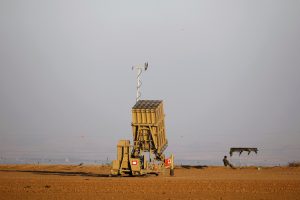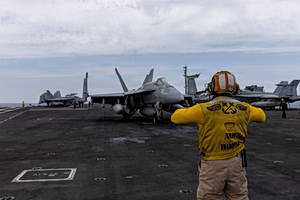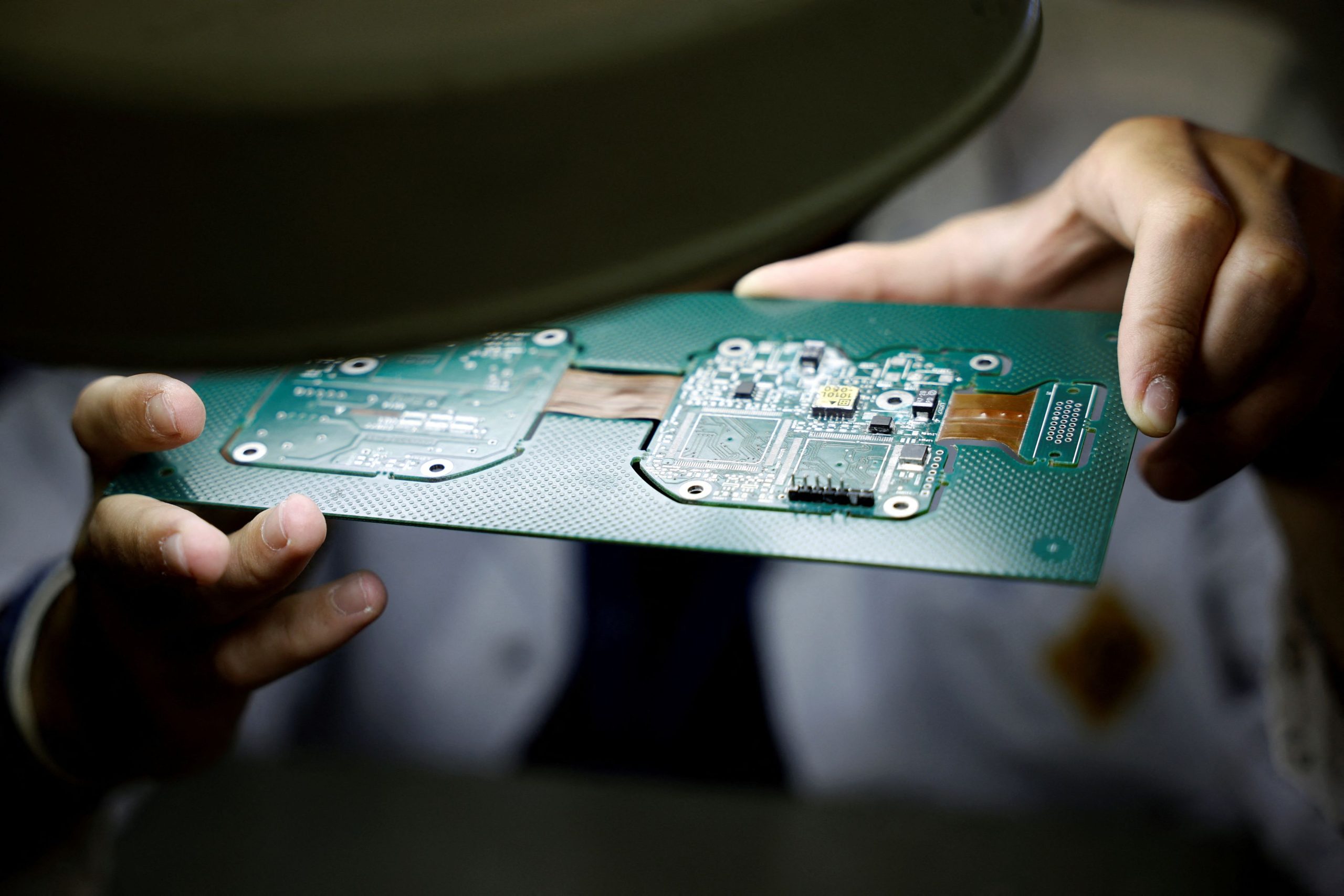
A Greek-made anti-drone system that brought down two Houthi drones in its first real-world test in the Red Sea is now at the center of Greece’s ambitious plans to develop a home-grown defense industry.
The system, called Centauros, was tested a year ago during a European Union patrol. According to Kyriakos Enotiadis, electronics director at the state-run Hellenic Aerospace Industry (HAI), it not only disabled two incoming drones but forced another two to retreat by jamming their electronics.
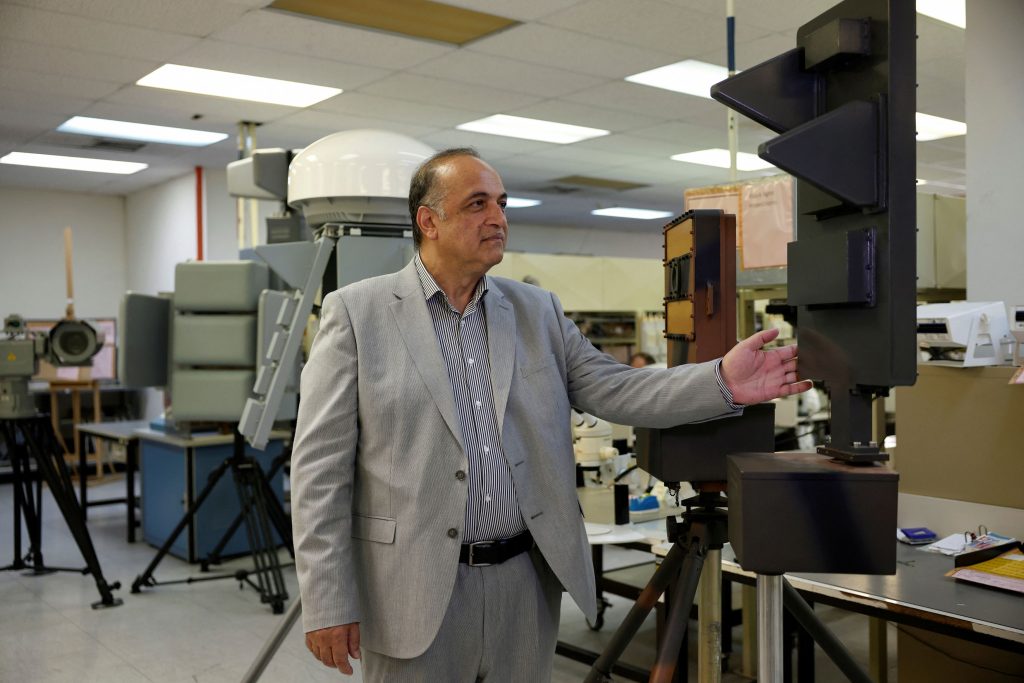
Director of electronics Kyriakos Enotiadis inspects an anti-drone system Iperion at the Hellenic Aerospace Industry (HAI), in Tanagra, north of Athens, Greece, July 3, 2025. REUTERS/Louiza Vradi
“It’s the only battle-proven anti-drone system made in Europe,” Enotiadis said, noting the system’s capability to detect threats from 150 km away and engage targets at a 25 km range. Greece plans to install Centauros across its naval fleet.
Modernisation program to transform Greek defence
The successful performance of Centauros is part of a broader 30-billion-euro programme aimed at modernising Greece’s armed forces by 2036. This includes incorporating both anti-drone and combat drone systems made in Greece, alongside the country’s planned ballistic anti-aircraft dome, known as Achilles Shield.
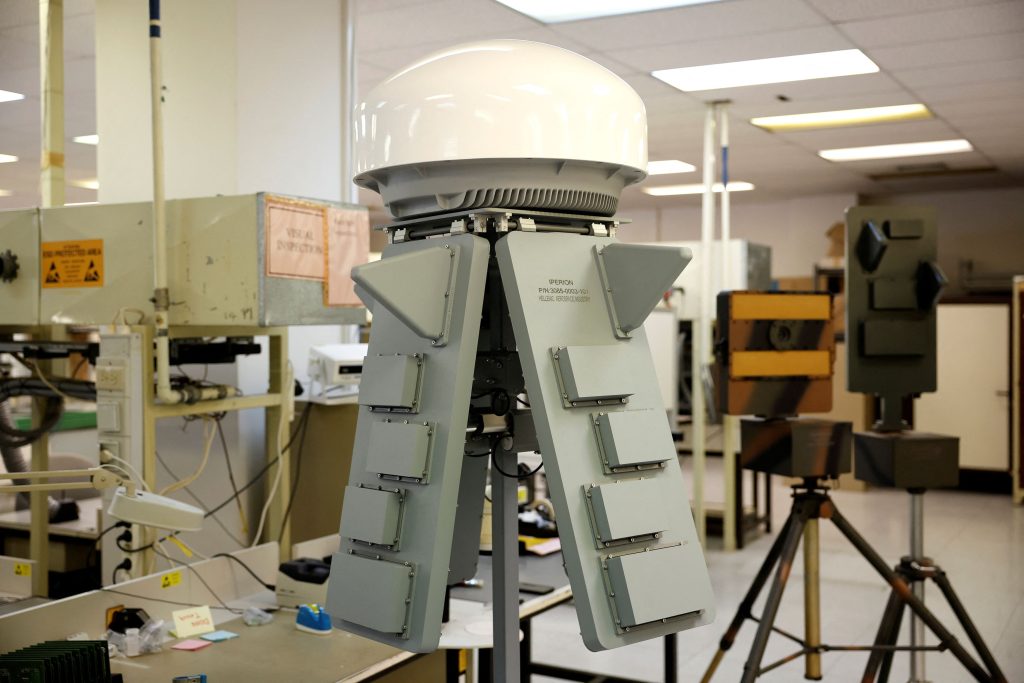
Anti-drone system Iperion is seen at the Hellenic Aerospace Industry (HAI), in Tanagra, north of Athens, Greece, July 3, 2025. REUTERS/Louiza Vradi
While Greece currently relies heavily on foreign-made unmanned aerial vehicles (UAVs) from countries like France and Israel, that is set to change. The country plans to invest around 800 million euros in defense innovation over the next decade, according to Pantelis Tzortzakis, head of the newly established Hellenic Centre for Defense Innovation (HCDI), which operates under the Defense Ministry.
“Our target is to export as much as we spend on defense annually,” Tzortzakis told Reuters.
Private companies and new UAV systems
Private firms are also playing a role. Altus, a Greek company working with France’s MBDA, has developed a UAV called Kerveros that can take off vertically and carry more than 30 kilograms, including anti-tank missiles.
“I’m very optimistic about the Greek drone industry,” said Zacharias Sarris, co-owner of Altus, which currently exports surveillance drones to five countries. “Greece has a great need for this technology,” he said, referencing the country’s geopolitical challenges, including its tense relationship with neighboring Turkey.
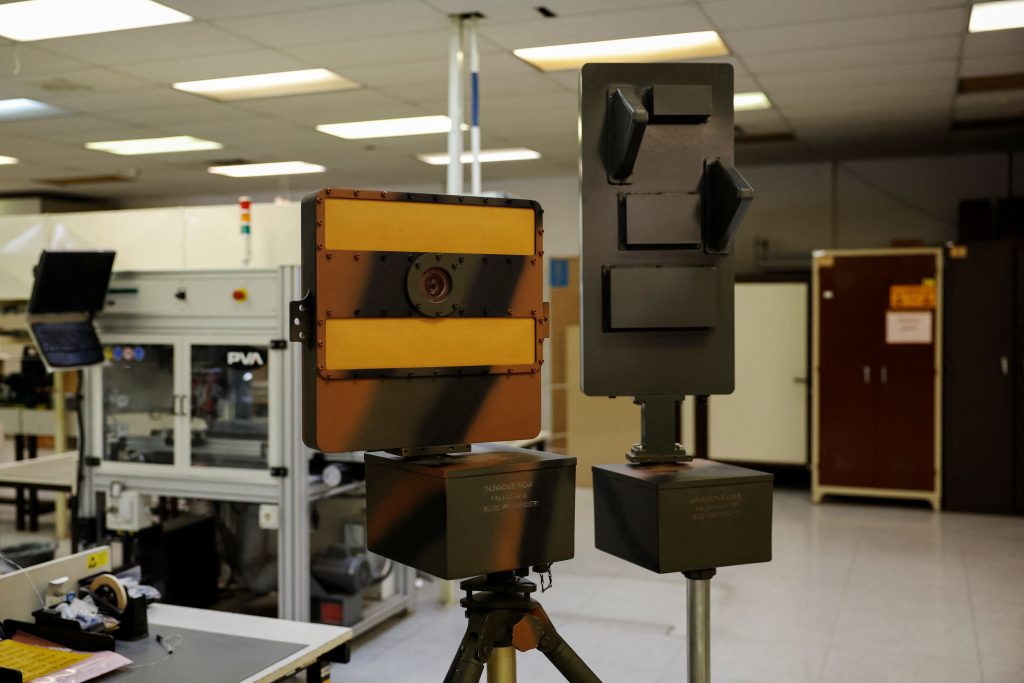
Anti-drone system Telemachus is seen at the Hellenic Aerospace Industry (HAI), in Tanagra, north of Athens, Greece, July 3, 2025. REUTERS/Louiza Vradi
Future production and next-generation drones
In addition to Centauros, HAI plans to begin mass-producing two more portable anti-drone systems — Iperion and Telemachus — in 2026. These are designed to counter drone swarms and miniature drones on the battlefield.
HAI also aims to unveil its first large-scale UAV, Archytas, named after the ancient Greek inventor believed to have built the first autonomous flying machine around 400 BC.
“We are striving for this UAV to be the best of its kind,” said Nikos Koklas, HAI’s director of new products.