 Μake us preferred on Google
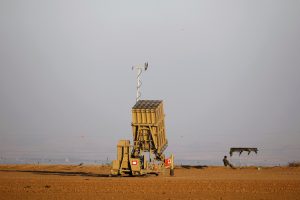
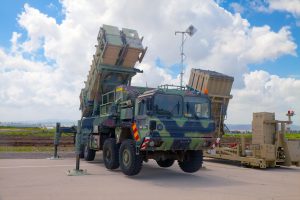
 Greek authorities are planning to deploy mobile and stationary anti-drone systems around the prime minister’s office—and potentially Parliament and other sensitive locations—according to an exclusive report by newspaper TA NEA.
The move reflects growing concern within the country’s security services about the potential use of commercially available drones in attacks, particularly amid heightened tensions and conflicts in the Middle East.
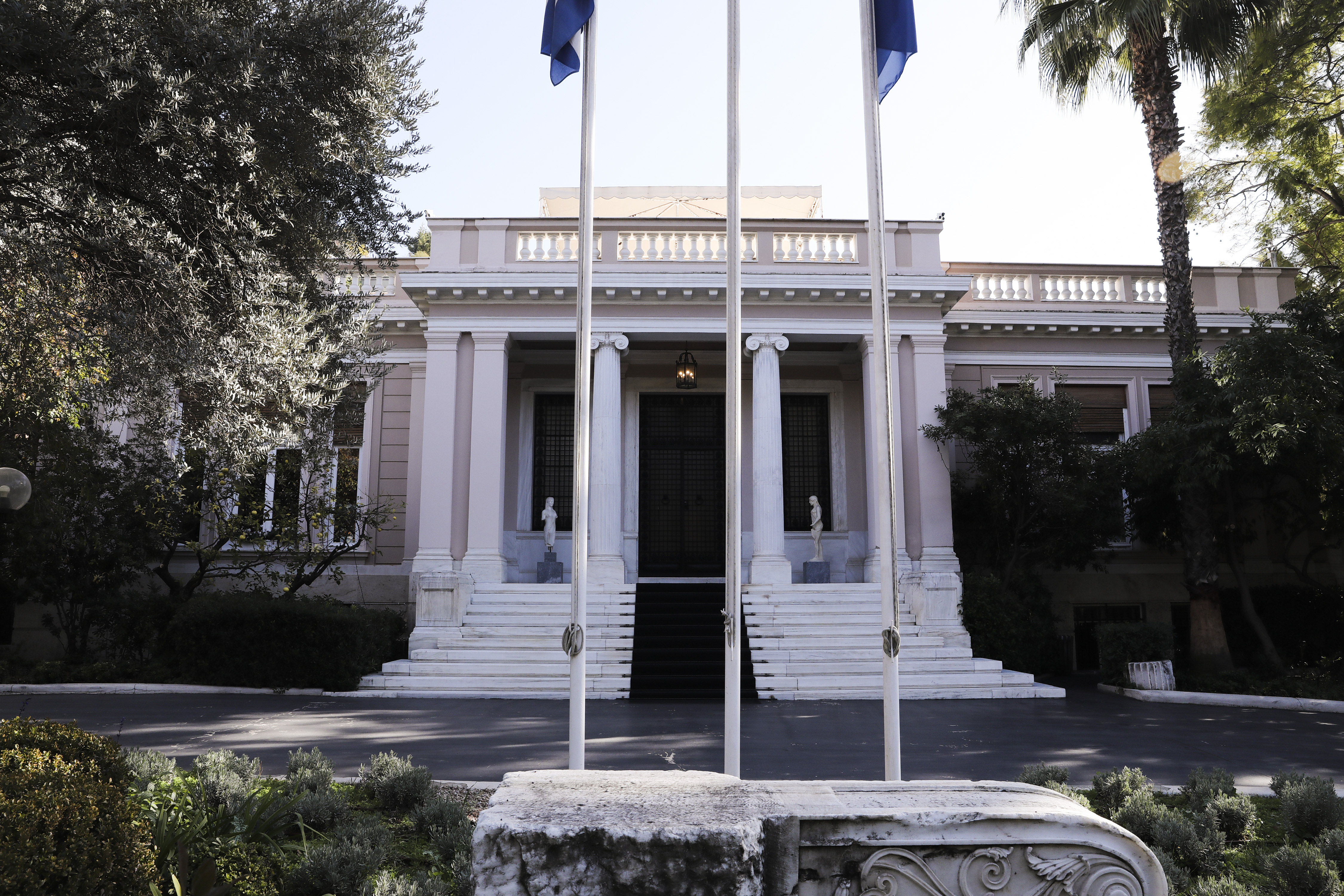
Senior officials from the Hellenic Police told TA NEA that the Ministry of National Defence is expected to provide the force with a sophisticated counter-drone system. The equipment could be installed at Maximos Mansion, the official office of the Greek prime minister, and possibly at the Hellenic Parliament, as part of a broader effort to strengthen protection against drone-based threats.
Citizen Protection Minister Michalis Chrysochoidis and senior security officials are in discussions with the ministries of National Defence and Digital Governance to create what they describe as a “security dome” over parts of Attica and other major cities. The plan would cover government buildings, embassies, critical infrastructure and crowded public areas that could become potential targets.
Authorities are particularly concerned that militants could attempt to use commercial drones carrying explosives to carry out attacks.
Legal Barriers and Identification Challenges
One of the main hurdles is the legal framework governing counter-drone measures in urban areas. Across Europe, strict regulations limit the use of technologies capable of disabling or intercepting drones over populated zones.
Another issue is the lack of a central electronic registry of drones legally operating in Greece. Such a database, which would be maintained by the Civil Aviation Authority, would allow authorities to quickly distinguish between authorized drones and suspicious or potentially hostile aircraft.
Limited Systems Currently in Use
According to information unveiled by TA NEA, Greek security services currently rely on four to five mobile anti-drone systems that are now considered outdated. The equipment was provided several years ago by a private company that has since ceased operations.
These systems cannot electronically detect suspicious drones. Instead, operators must first identify them visually. Once a drone is spotted, the device can disrupt its navigation signal, preventing it from reaching its intended target.
Although their deployment is rarely publicized, the systems are used during visits by foreign leaders, high-level government meetings and other sensitive events.
In 2023—and in earlier years—the Ministry of Citizen Protection considered purchasing two advanced counter-drone systems, with an estimated cost of about €4 million.
The plan envisioned one system protecting Parliament and Maximos Mansion, while the second would have been installed at Athens International Airport. For various reasons, the proposal was never implemented.
New Procurement Process Underway
Authorities are now moving forward with a new procurement process launched by the Hellenic Police through Growthfund, Greece’s national investment fund.
The project involves the supply and installation of an integrated networked system capable of detecting, monitoring and neutralizing unmanned aerial vehicles (UAVs) in critical infrastructure and complex operational environments.
The program includes four anti-drone systems with a total budget of €2.8 million.
According to procurement documents obtained by TA NEA, the systems must be capable of detecting swarms of drones across all known control frequencies at distances exceeding five kilometers.
They must also be able to:
- identify the drone and the location of its operator
- track its flight path in real time
- use advanced algorithms to detect and classify drones without relying on radio-frequency jamming
The systems should also be able to neutralize or divert drones digitally, disconnect them from their controllers, take control of the aircraft and guide them to a safe landing—or prevent them from approaching protected sites.
Anti-Drone Technology Already Used in Prisons
Similar technology is also being explored by the Hellenic Center for Defence Innovation S.A. (HCDI), which has supported the installation of 10 mobile anti-drone systems in Greek prisons.
These systems have recently been used to intercept drones attempting to deliver mobile phones, drugs and other contraband into correctional facilities in cities such as Trikala and Larissa.
According to documents cited by TA NEA, the center is promoting the development of a high-readiness ground-based counter-drone system designed to protect critical infrastructure, military installations and high-value weapons systems. Its potential applications include: airport perimeter protection, security for energy facilities and other critical infrastructure, protection for high-level events, such as international summits or visits by heads of state.
Source: TA NEA