 Μake us preferred on Google
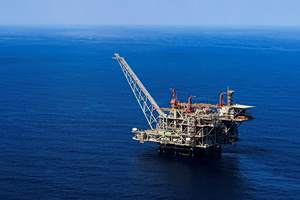
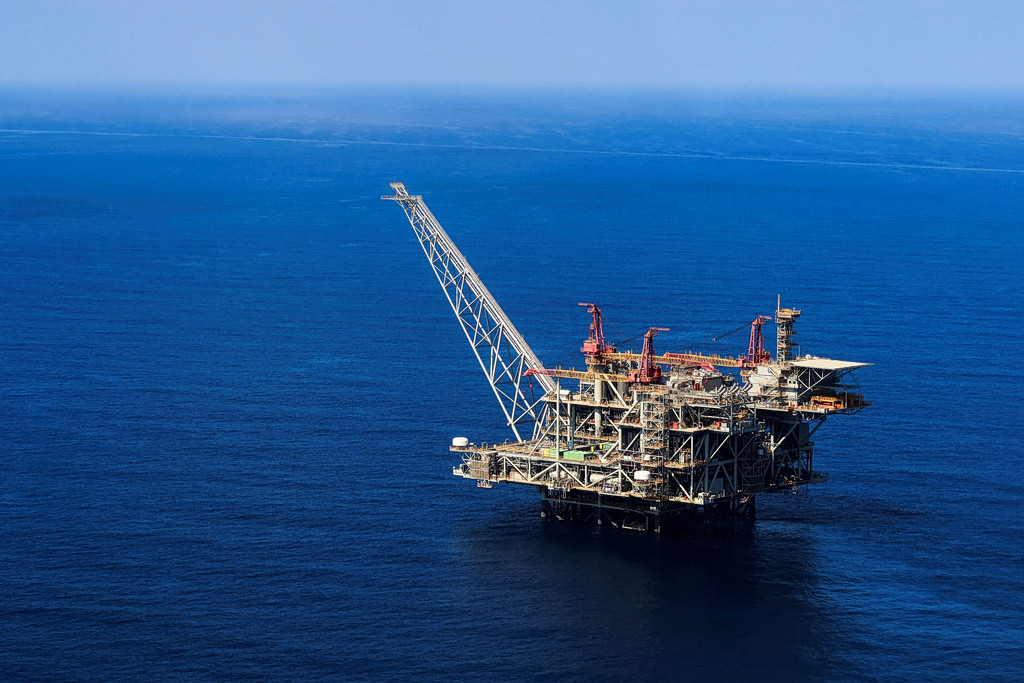
 Turkey has sharply criticized Greece after Athens signed exclusive hydrocarbon exploration lease agreements with U.S. energy giant Chevron for offshore areas south of the island of Crete.
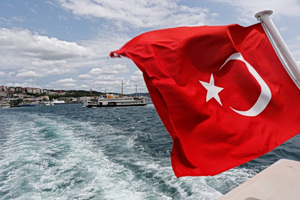
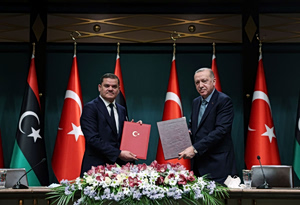
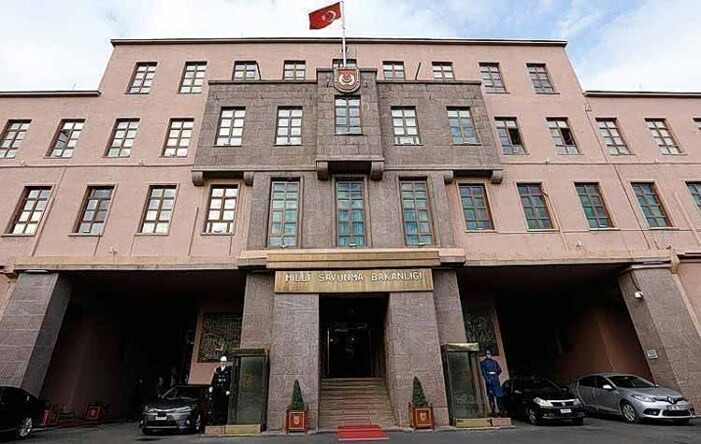
In a statement issued Thursday, Turkey’s Ministry of Defense accused Greece of pursuing “unilateral actions” in maritime zones linked to hydrocarbon exploration. Ankara claims the move violates international law as well as the Turkey-Libya memorandum on maritime jurisdiction areas.
Turkey Cites International Law and Libya Agreement
According to the Turkish Defense Ministry, while the exploration activities do not directly infringe upon Turkey’s continental shelf, they encroach on maritime jurisdiction areas that Libya declared to the United Nations on May 27, 2025.
Ankara reiterated its support for Libyan authorities, describing Greece’s actions as “illegal and unilateral.” Turkish officials argue that the agreement disregards the maritime boundaries outlined in the Turkey-Libya memorandum, which remains a key pillar of Turkey’s policy in the region.
Chevron Agreement Boosts U.S. Presence
The deal between Greece and Chevron, which was signed on Monday in Maximos Mansion, strengthens the American company’s footprint in the eastern Mediterranean at a time of heightened geopolitical interest in the region’s energy resources.
It sets out a phased plan that begins with seismic and geological surveys, followed by evaluation and, if viable, eventual production. Commercial output from Greek hydrocarbon deposits is projected to begin between 2027 and 2028.
The Minister of Energy Stavros Papastavrou has emphasized the financial and strategic value of the deal, noting that at least 40% of returns will go directly to Greece, in addition to the state’s participation through Helleniq Energy. He said the project will operate under strict environmental and operational standards.
Framing the agreement within a broader European context, the minister said the partnership strengthens Greece’s role as a reliable energy partner at a time when Europe is seeking greater energy security. “Europe needs hydrocarbons, and Greece can be a production hub,” he said, describing the deal as both a national and European strategic opportunity.
The agreement also signals increased U.S. corporate involvement in the eastern Mediterranean, a region that has become a focal point for energy exploration and geopolitical competition in recent years.