 Μake us preferred on Google
 The European future of the western Balkans and the need for closer regional cooperation took center stage at a summit of southeast European leaders in Sofia on Tuesday, as governments across the region sought to reinforce stability amid growing geopolitical uncertainty and security challenges.
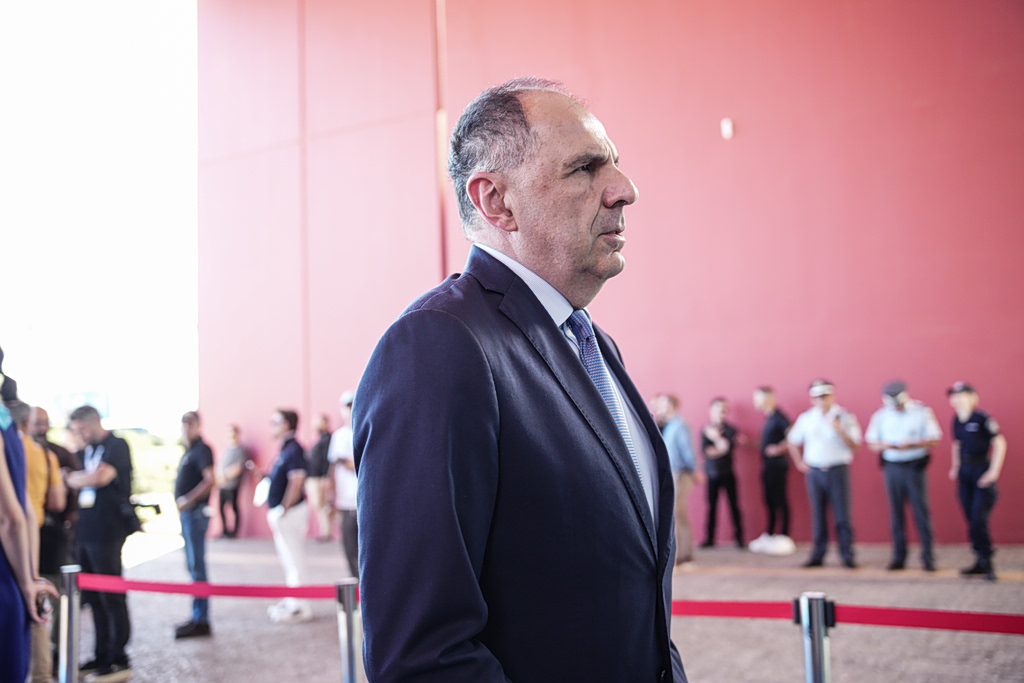
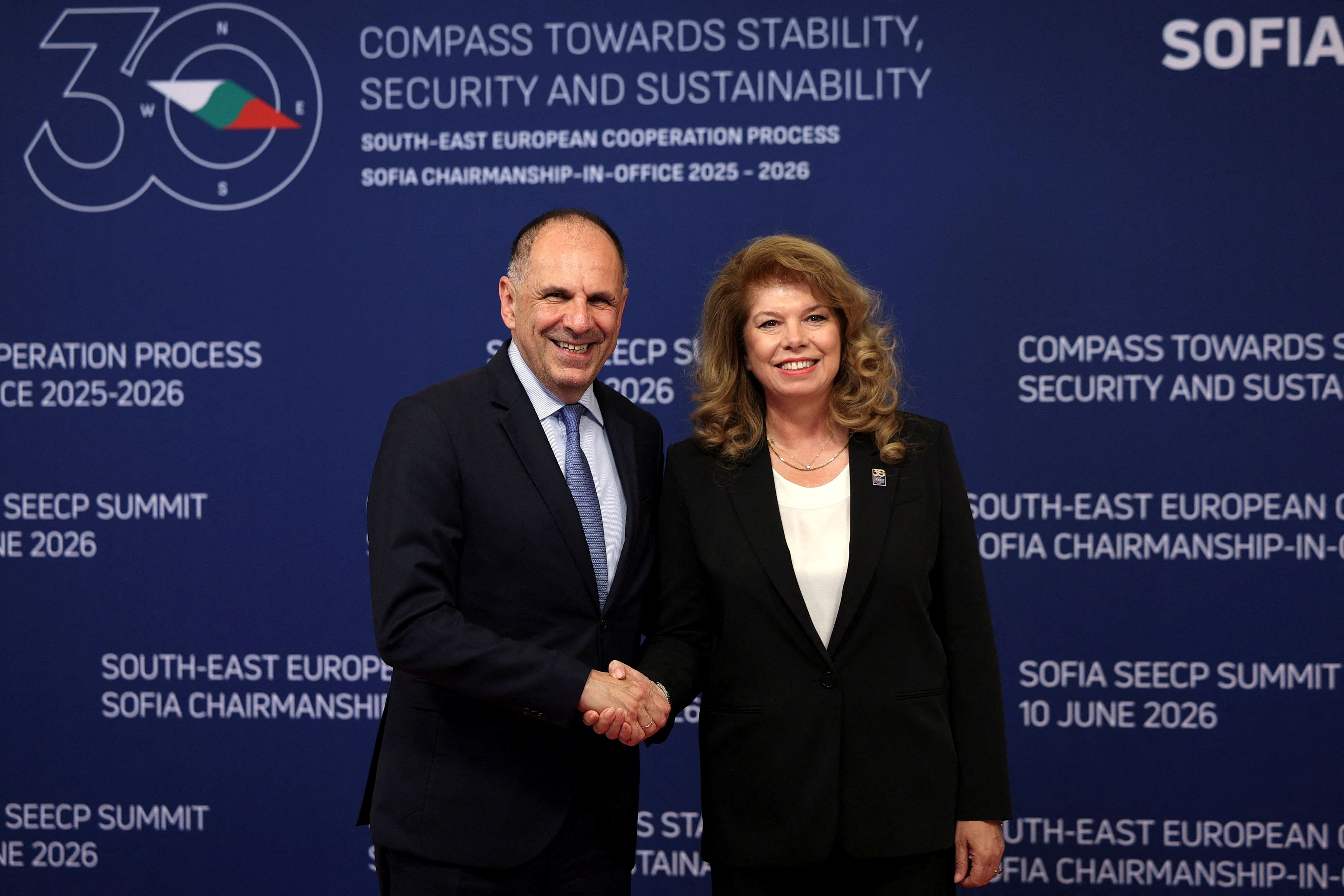
Greek Foreign Minister George Gerapetritis, speaking on the sidelines of the Summit and Foreign Ministers’ Meeting of the South-East European Cooperation Process (SEECP), called for accelerated European integration of the western Balkans and stronger mechanisms of cooperation among neighboring states. He argued that southeast Europe remains critical to the stability and prosperity of both Europe and the broader international environment.
Gerapetritis said the current international climate, marked by ongoing conflicts and heightened instability across the wider region, highlighted the importance of fostering trust, reducing tensions and strengthening regional cohesion through sustained dialogue and cooperation.
The Greek foreign minister said discussions focused on regional connectivity, energy cooperation, security and defense, while also emphasizing the strategic importance of advancing the European prospects of the western Balkans.
Gerapetritis reiterated Athens’ long-standing support for the accession of western Balkan states to the European Union, describing Greece as a driving force behind efforts to accelerate the enlargement process. He linked the initiative to the 2003 Thessaloniki Declaration, which established the EU membership perspective for the region, and said Greece intends to maintain a leading role in supporting accession efforts in the coming years.
He also pointed to Greece’s presidency of the Council of the European Union in the second half of 2027 as an opportunity to advance enlargement discussions and produce tangible progress on the western Balkans’ European path.
The comments come amid renewed momentum within the European Union to advance enlargement as geopolitical competition and security concerns sharpen focus on the region. EU leaders meeting with Western Balkan counterparts in Montenegro last week reaffirmed their commitment to the membership perspective of the six Western Balkan states and described enlargement as a strategic investment in European stability, security and prosperity.
Athens has in recent weeks intensified its diplomatic engagement across southeast Europe, promoting regional cooperation, energy connectivity and the European integration of the western Balkans as key pillars of regional stability. Top Greek officials have argued that closer integration of the region into European institutions is increasingly necessary amid ongoing wars, hybrid threats and broader geopolitical uncertainty affecting Europe’s southeastern flank.
Marking three decades since the establishment of the SEECP framework, Gerapetritis said the challenges facing southeast Europe today underscore the need for closer cooperation among regional states to safeguard peace, security and prosperity.