 Μake us preferred on Google
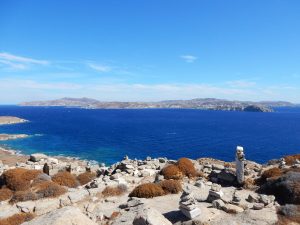
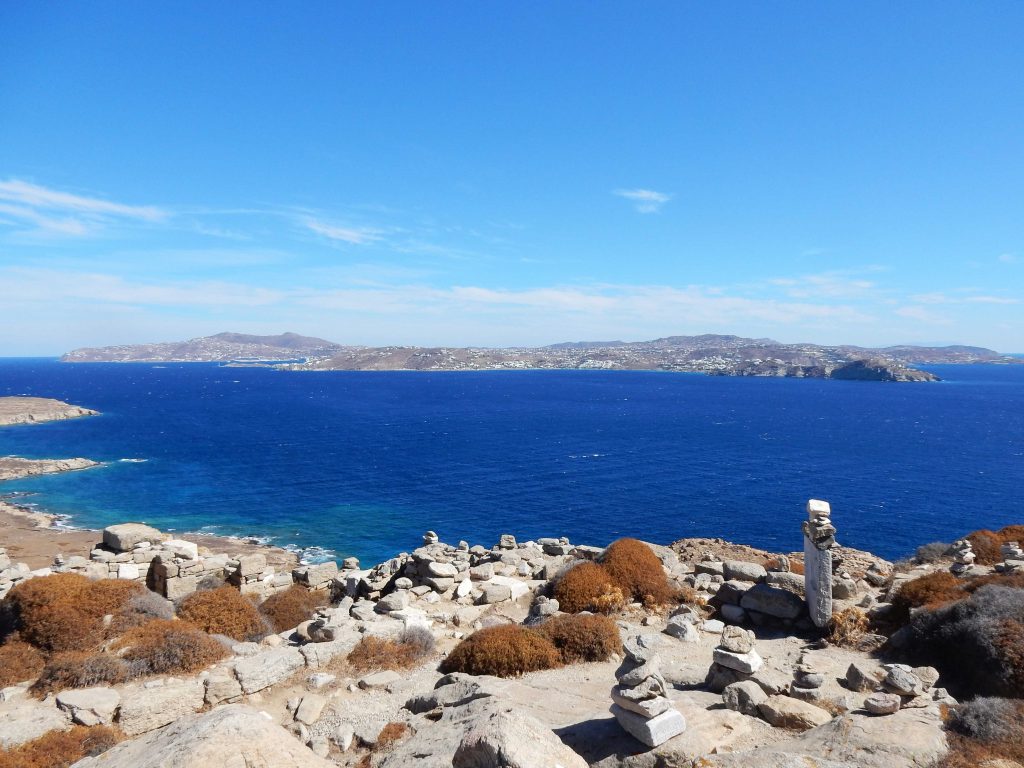
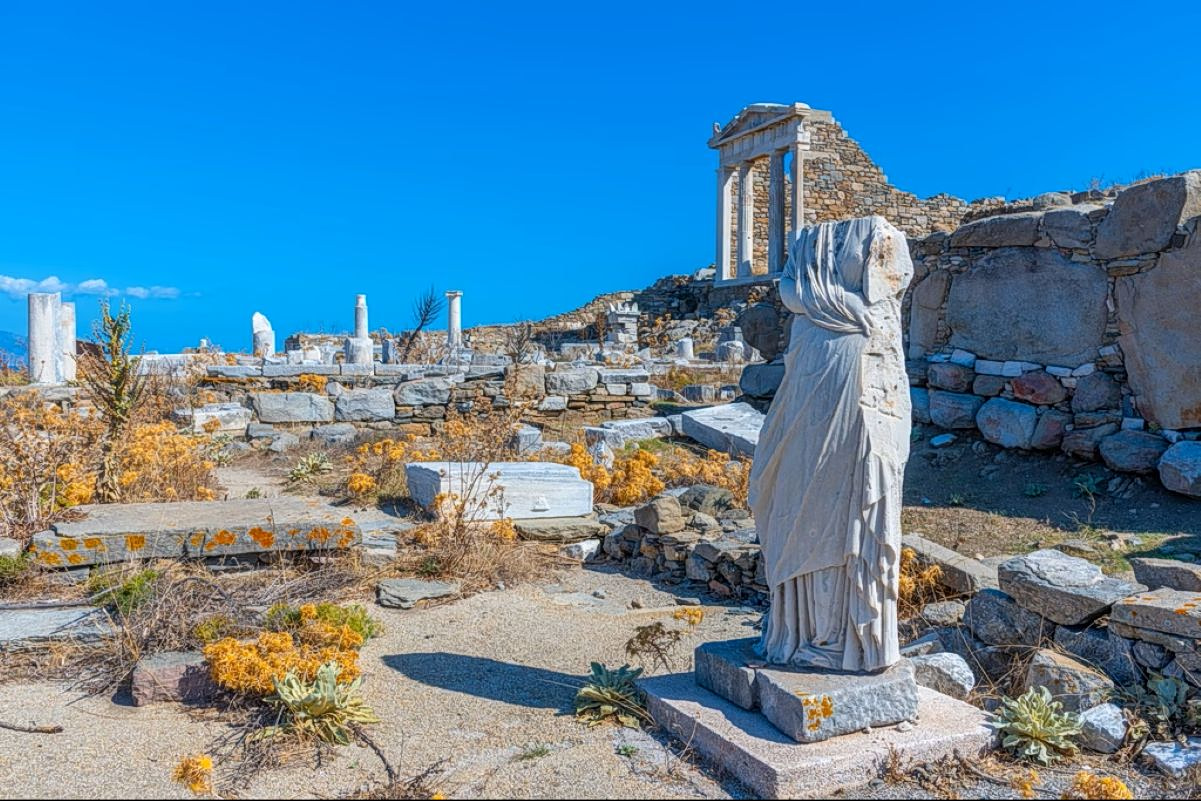
 The island of Delos is gradually sinking at a rate of approximately one centimeter per year, according to findings from the “Network for Monitoring Marine Parameters in Delos.” The phenomenon is attributed to a combination of natural processes and human-driven climate impacts that are reshaping the island’s environmental balance.
Presenting the results at the Academy of Athens, Professor of Natural Disasters at the University of Southern California Costas Synolakis explained that the observed subsidence is linked both to rising sea levels driven by climate change and to ongoing geological processes that cause coastal uplift or sinking in different regions.
The study projects that by 2025, relative sea level around Delos could rise by 21 centimetres under an optimistic scenario and by up to 28 centimetres under a more adverse one. Looking further ahead to 2100, projections range between 48 and 87 centimetres.
According to Synolakis, much of this trajectory is already effectively “locked in” due to the ocean’s high heat capacity, meaning that the sea will continue to influence climate patterns even if greenhouse gas emissions were to be sharply reduced in the near term.
Rising Waters and Archaeological Risk
Data collected by the Climate Observatory of Delos over the past two years, in collaboration with the Academy of Athens, the National Observatory of Athens, and the Ephorate of Antiquities of the Cyclades, reveal significant changes to both the natural landscape and the island’s archaeological fabric.
Among the key findings, researchers report that the coastline in front of the ancient city is expected to retreat inland, while the wetland area behind the harbour is likely to expand. Partially submerged ancient harbour structures are projected to become fully inundated, and sections of the site currently accessible to visitors may experience seasonal flooding—or in some cases, permanent submersion.