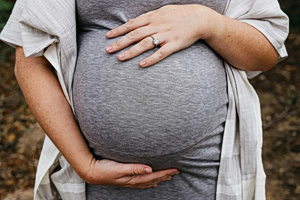
A 54-year-old woman in Greece has given birth to a healthy baby girl weighing 3,490 grams, conceived from an embryo that had been frozen more than two decades earlier, on March 17, 2004. The embryo transfer took place on December 23, 2025, at a private clinic in Athens.
According to the medical team behind the procedure, 22 years, five months and 23 days elapsed between cryopreservation and birth—a span they describe, based on their review of the scientific literature, as the longest internationally documented case of cryopreserved autologous genetic material resulting in a live birth. The previous record cases involved storage periods of 18 years and three months in Japan and 17 years in Israel. The team has compiled the clinical and laboratory data from the case and intends to submit it for publication in international medical journals.
Behind the clinical milestone lies a deeply personal story. The mother, Christina, had used the same batch of embryos in 2004 to conceive a son on her first attempt at IVF. In October 2025, that son—by then 21 years old—was killed in a car accident. In the midst of this devastating loss, she made the decision to use the embryos that had remained in storage since her original treatment.
The process unfolded under considerable time pressure: she needed to complete the required medical procedures and secure approval from Greece’s National Authority of Assisted Reproduction before reaching the legal age limit of 54.
Konstantinos Pantos, her gynecologist and secretary general of the Hellenic Society of Reproductive Medicine, described the birth as a “significant clinical and scientific development,” while stressing the importance of pairing medical progress with compassion.