 Μake us preferred on Google
Israel has joined Greece and other regional partners in again condemning the 2019 Turkey-Libya maritime memorandum, rejecting its legal validity and reaffirming respect for Greece’s sovereignty and sovereign rights.
The latest intervention comes amid a renewed diplomatic push following the controversial memorandum’s approval by Libya’s eastern-based parliament on Oct. 20.
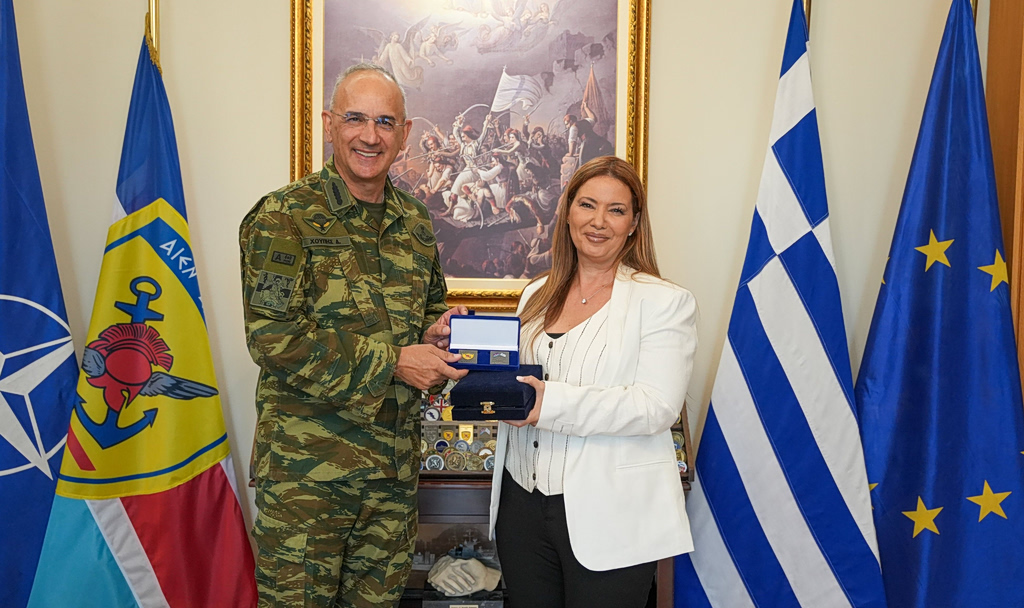
File photo: The chief of the Hellenic National Defense General Staff, Gen. Dimitrios Choupis, presents a commemorative gift to Israel’s ambassador to Greece, Pninat Yanai, during a meeting in Athens, Aug. 25, 2026.
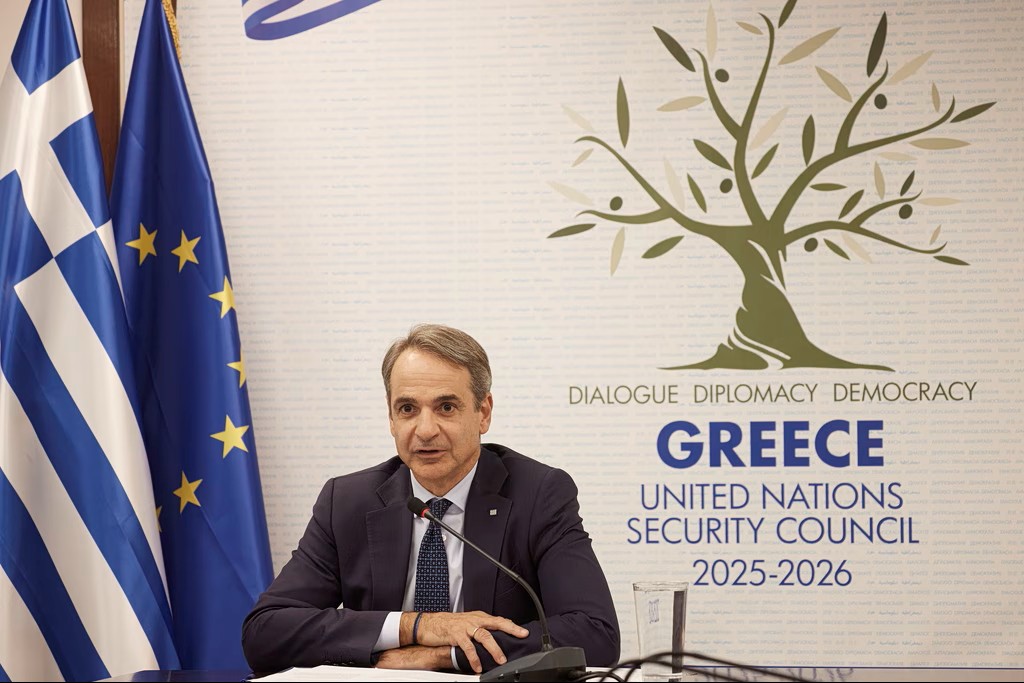
In a post on X late Saturday, Israeli Ambassador to Greece Pninat Yanai said the agreement lacked legal basis, validity and legitimacy. The Israeli embassy in Athens published a similar statement, accompanied by a video of Prime Minister Kyriakos Mitsotakis addressing the United Nations Security Council in New York.
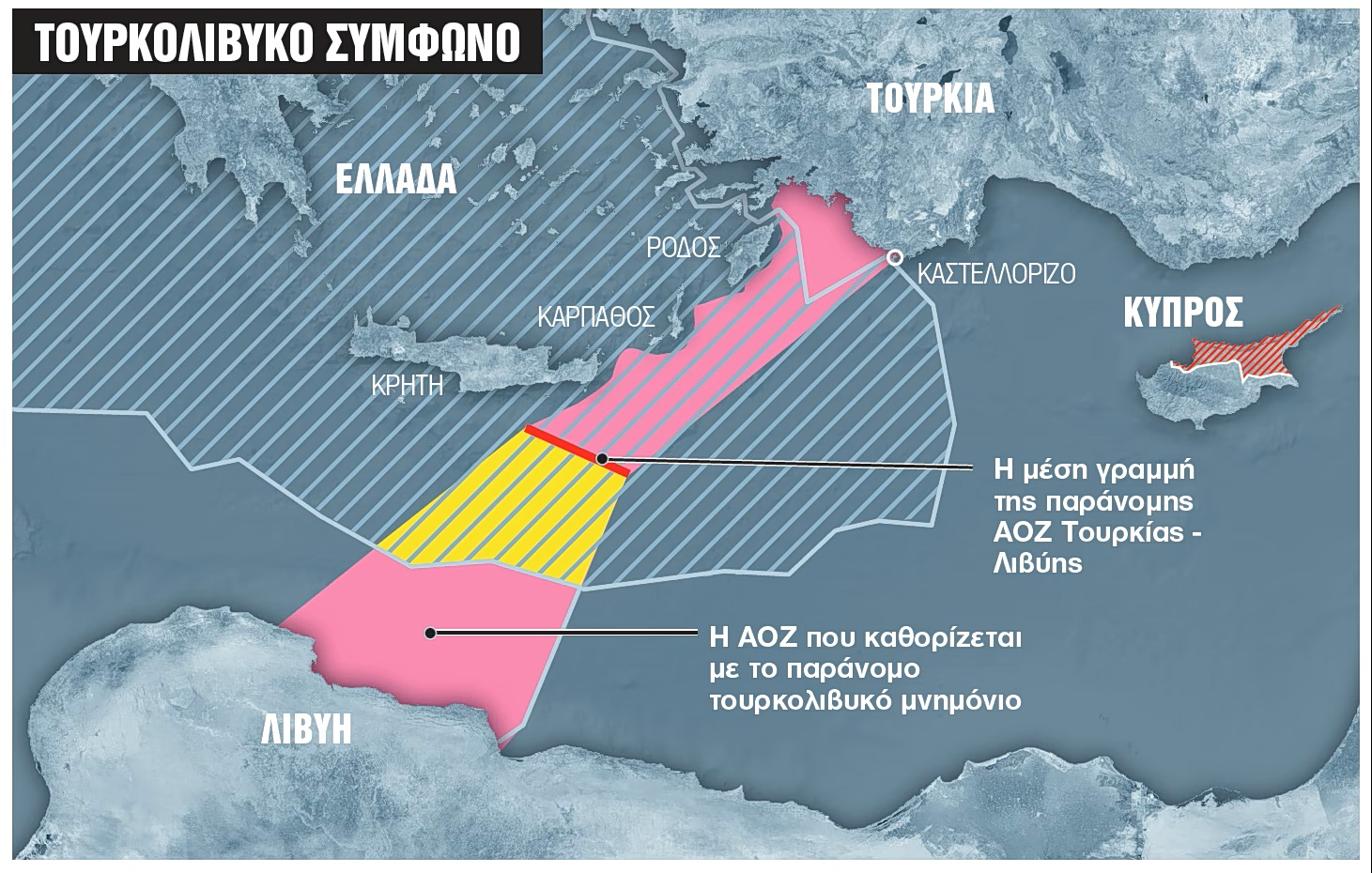
Στο πλαίσιο της θαλάσσιας συμφωνίας μεταξύ Τουρκίας και Λιβύης, οι δύο χώρες επιχείρησαν να καθορίσουν θαλάσσια σύνορα, αγνοώντας ταυτόχρονα τα θαλάσσια δικαιώματα των ελληνικών νησιών, συμπεριλαμβανομένης της Κρήτης και της Ρόδου — δύο πανέμορφων νησιών όπου πολλοί Ισραηλινοί αγαπούν να περνούν τις διακοπές τους.
Το Ισραήλ καταδικάζει έντονα τη συμφωνία αυτή και θεωρεί ότι στερείται νομικής βάσης, εγκυρότητας και νομιμοποίησης.
Το Ισραήλ σέβεται απολύτως την κυριαρχία και τα κυριαρχικά δικαιώματα της Ελλάδας, καθώς και τις αρχές του διεθνούς δικαίου. Καμία συμφωνία μεταξύ δύο χωρών δεν μπορεί να υπονομεύσει τα νόμιμα δικαιώματα μιας τρίτης χώρας.
— Israel in Greece 🇮🇱🇬🇷 (@IsraelinGreece) October 31, 2026
“Israel fully respects the sovereignty and sovereign rights of Greece, as well as the principles of international law,” Yanai wrote. “No agreement between two countries can undermine the legitimate rights of a third country.”
The ambassador said Turkey and Libya had sought to establish maritime boundaries while disregarding the maritime rights of Greek islands, including Crete and Rhodes.
The European Union has also rejected the memorandum, saying it infringes on the sovereign rights of third countries, does not comply with the law of the sea and is null and void, with no legal consequences for third states.
The US State Department initially called for good-faith negotiations following the Libyan parliamentary vote. In a subsequent statement on Oct. 25, Washington described the announcement of ratification as “not constructive and provocative,” saying it had increased regional tensions. The department reiterated its position that Greece and Turkey should resolve their differences through bilateral dialogue.
The diplomatic developments follow a coordinated regional response. On Oct. 26, Greece, Cyprus, Egypt, the United Arab Emirates, Bahrain and the EU issued a joint statement at the United Nations warning that the memorandum disregards geographical realities and the maritime rights of other coastal states, including islands.
Mitsotakis reiterates Greece’s position
In his weekly Facebook review on Sunday, Mitsotakis again described the memorandum as illegal, arguing that it cannot erase the maritime rights of Greek islands.
“Behind the lines on maps are people, living communities, history and the future,” he wrote, adding that Greece would defend its national interests through international law, alliances and credible deterrence, while remaining open to dialogue.
Mitsotakis also linked maritime security to Greece’s broader interests, saying respect for international law was essential to peace, stability and the country’s long-term prospects.