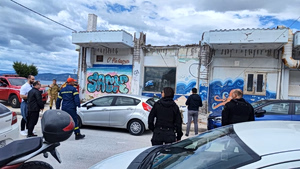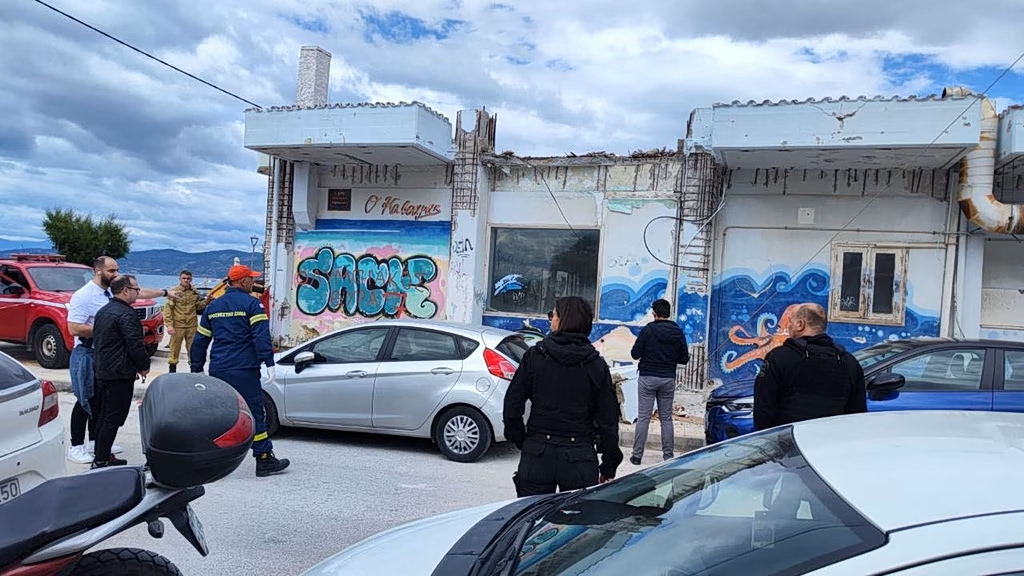
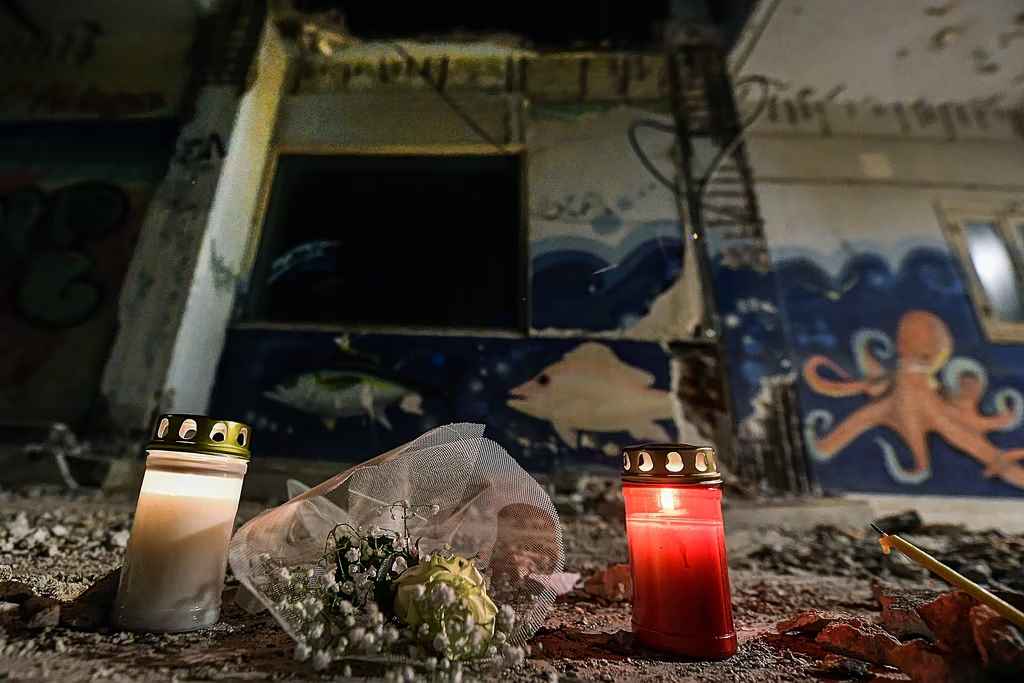
The horrific death of a woman in Corinth—crushed by a collapsing balcony from an old building in front of her family—has once again, and in the most dramatic way, exposed the deadly traps posed by such structures across Greece.
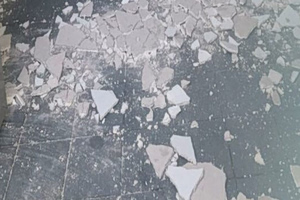
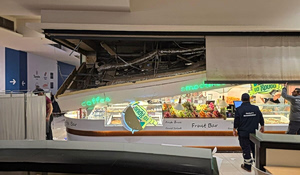
They are death traps because they are abandoned, while people continue to walk beneath them, unaware that a piece of plaster could suddenly detach and strike them—or worse, that an entire balcony could collapse and crush them.
This is exactly what happened on Saturday in Corinth. Passersby, standing beside the body of the unfortunate woman, rushed to pull her two injured children to safety.
The family had traveled from Germany to Greece to spend Easter together.
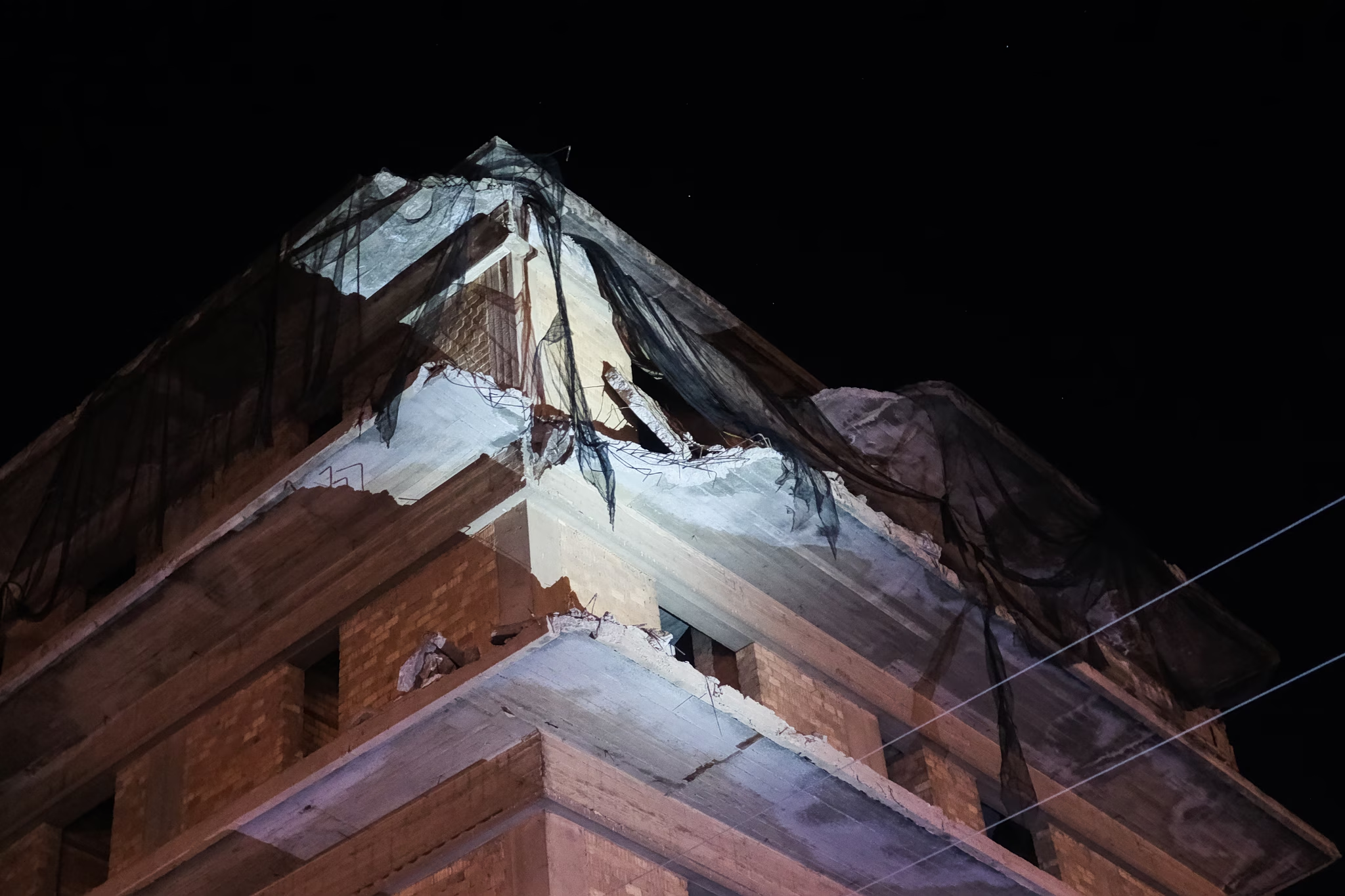
This is not an isolated incident. In February 2022, a 22-year-old student lost his life when he was crushed by a collapsing wall from an old building in central Larissa.
Last year in Lavrio, tragedy was narrowly avoided when a massive balcony from a two-story building collapsed. A woman standing underneath managed to escape at the last moment, running as soon as she heard the ominous sound of the structure giving way.
Seismologist Gerasimos Papadopoulos warns that in the event of an earthquake—something that occurs frequently in Greece—such buildings could collapse instantly.
And, he stresses, responsibility does exist.
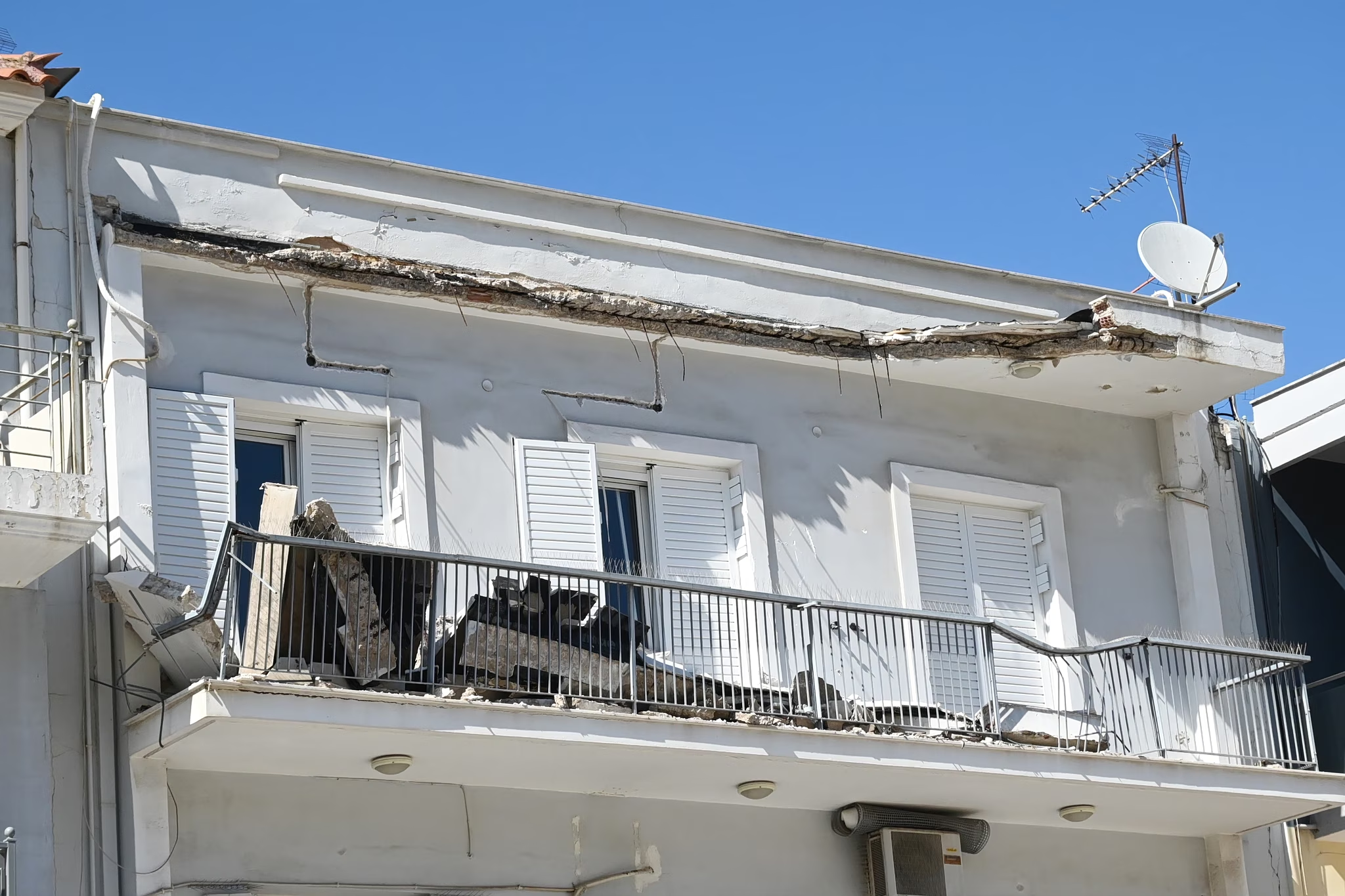
An earthquake does not create the danger—it accelerates the outcome of years of accumulated deterioration caused by time and weather conditions.
In Greece, it is estimated that there are around 20,000 abandoned buildings. In the Municipality of Athens alone, at least 1,500 such structures are scattered across all seven municipal districts.
There are also approximately 3,000 listed (protected) buildings in Athens, many of which are owned by the state.
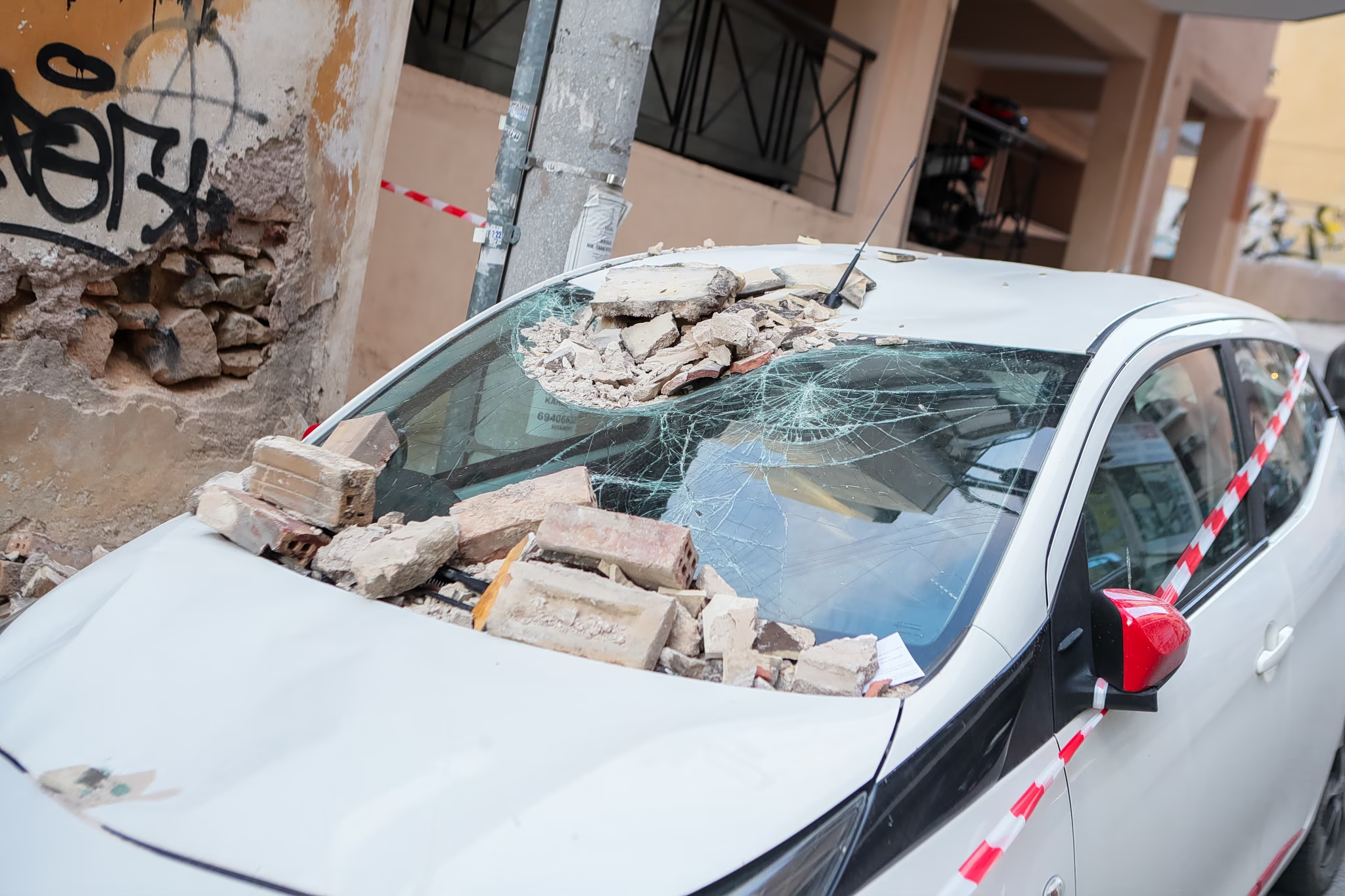
Across the country, these thousands of abandoned buildings pose a serious threat to passersby while also acting as sources of pollution for residents and visitors.
Many of them have been designated as preserved or even historic monuments.
Beyond the immediate safety risks, abandoned buildings create a cascade of additional problems: they degrade urban environments, making surrounding areas unattractive due to accumulated waste, the presence of rodents, and general neglect. This affects not only residents but also visitors and potential investors.
At the same time, Greece’s cultural heritage is being devalued, tourism is impacted, and valuable resources are lost due to the absence of restoration efforts.