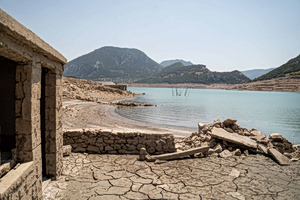
After a rainy start to 2026, water reserves supplying the wider Athens region have received a short-term boost. Snowfall and rainfall in recent days helped replenish major reservoirs, offering brief relief after years of persistent drought. Yet official figures show that the underlying problem of water scarcity remains severe.
Data from Greece’s main water utility indicate that from the beginning of January to January 13, total reservoir reserves increased by around 74 million cubic meters. The most notable gains were recorded at two key dams, where water volumes rose sharply compared to the end of 2025. In contrast, smaller declines were observed at other reservoirs that play a supporting role in the system.
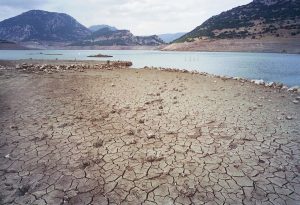
Despite this improvement, the broader picture is worrying. Over the past four years, total water reserves have fallen by roughly 800 million cubic meters—an amount equivalent to the full capacity of one of the region’s largest reservoirs. This loss highlights the scale of the drought facing the capital area.
A longer-term comparison paints an even starker image. In 2020, combined reserves exceeded 1.2 billion cubic meters. At the same point this year, they stand at just under 474 million. Only one year in the past three decades recorded worse levels.
While one reservoir shows relatively better performance compared to recent years, others are close to historic lows. Experts warn that without sustained rainfall and long-term water management measures, the resilience of Athens’ water supply will continue to be tested.