
 Μake us preferred on Google
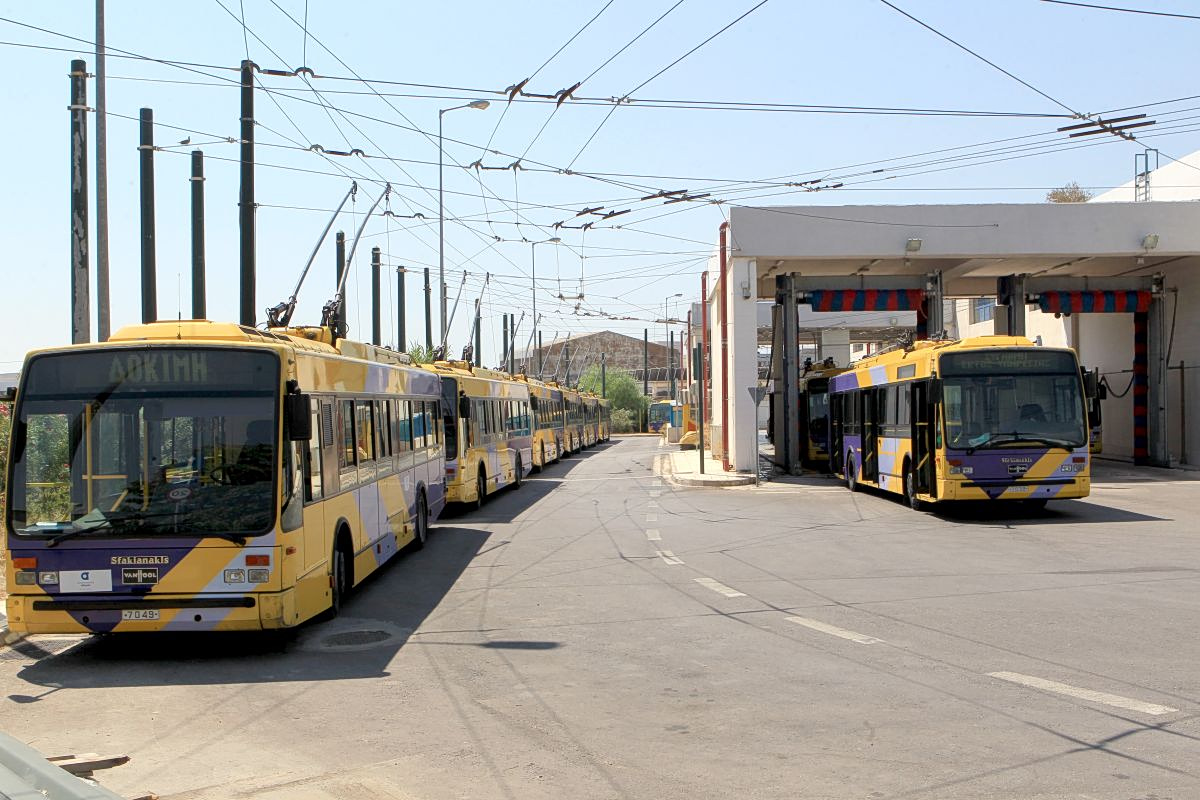
 Greece has launched a major overhaul of its urban transport system, replacing much of the long-standing trolleybus network with fully electric buses. The transition began on Sunday in the port city of Piraeus, where more than 70% of the overhead wire network is now being dismantled. As of Monday, trolleybus routes 17 and 20 have officially been replaced by electric buses.
Officials say the move marks a significant step toward a more modern, cost-efficient and visually cleaner transport system for the Athens metropolitan area.
Government and Local Leaders Praise Modernization Effort
“The same clean energy that powered trolleybuses for decades can now be delivered through electric buses,” said Konstantinos Kyranakis, Greece’s Deputy Minister of Infrastructure and Transport.
Piraeus Mayor Giannis Moralis welcomed the shift, emphasizing its economic and aesthetic benefits. “This will save money for citizens and the state,” he said. “It brings modernization and an aesthetic upgrade to the city.”
Workers Raise Concerns Over Vehicle Lifespan
Not everyone views the transition as straightforward. Giorgos Gioldasis of the Trolleybus Workers’ Union noted that while electric buses offer clear advantages, they come with shorter lifespans and higher replacement costs.
“An electric bus will need a full battery replacement within eight years, costing around €100,000 per vehicle,” he said, adding that a trolleybus can remain in service for 24 years without major intervention.
Major Cost Savings Projected
Despite these concerns, transport authorities highlight significant financial gains. According to data from the Athens Urban Transport Organization (OASA), operating a trolleybus costs €5.5 per kilometer, compared with €2.5 for an electric bus — a reduction of more than 50%.
The move is expected to save €20 million in maintenance and network-replacement expenses alone.
Opening the Way for the Tram
The removal of overhead cables in Piraeus will also clear the path for expanded tram service. Once cable dismantling is complete, the tram will be able to reach its terminal stop directly outside the port — a long-delayed improvement for one of Greece’s busiest transit hubs.